Plumbing Upgrades That Increase Home Value
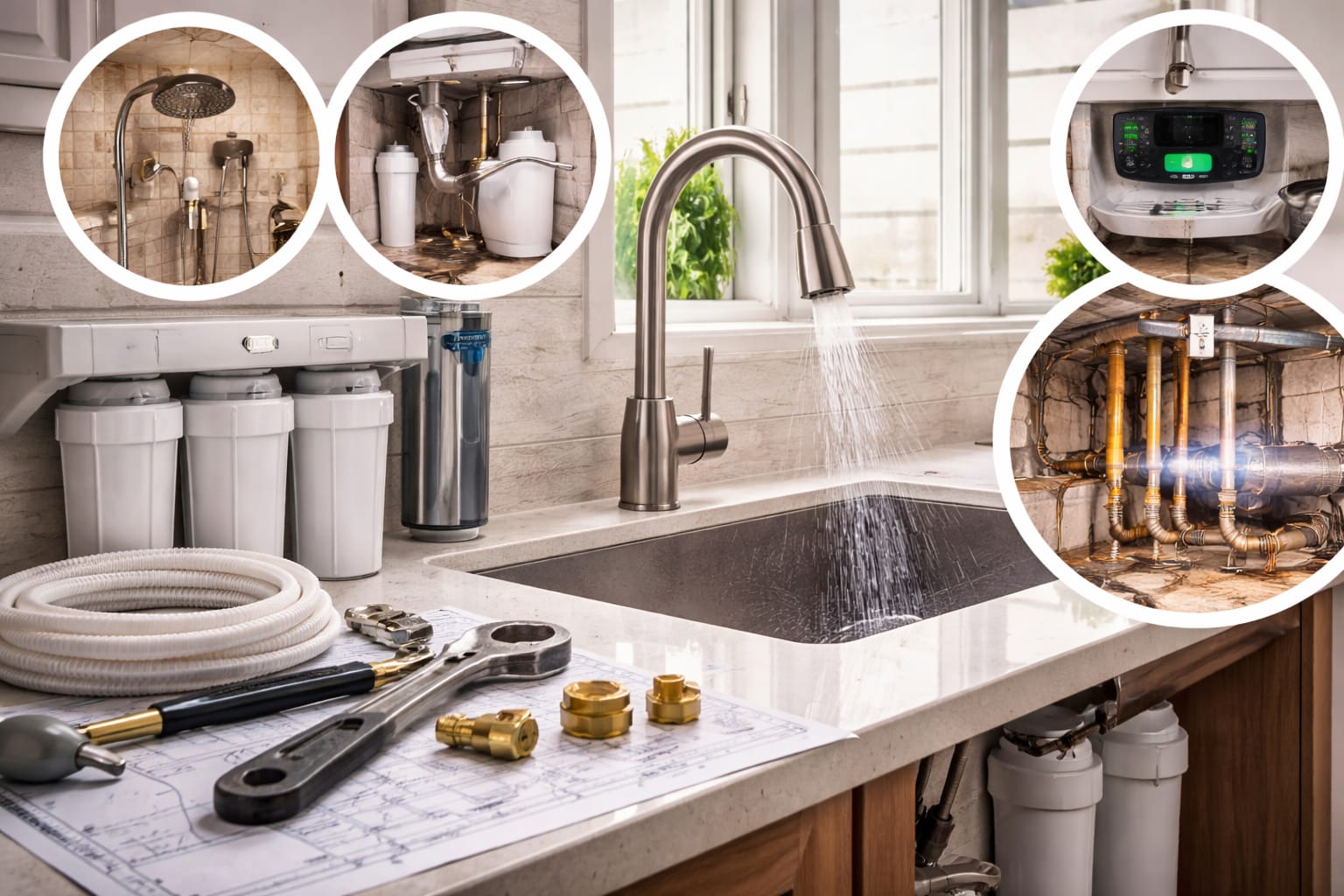
Homeowners planning renovations typically prioritize visible improvements like kitchen remodels, bathroom updates, and landscaping. While these projects certainly impact property values, underlying plumbing infrastructure often determines whether buyers perceive a home as move-in ready or a potential money pit requiring significant investment.
At ABM Plumbing Company, we guide homeowners toward plumbing upgrades delivering the strongest return on investment through improved functionality, enhanced efficiency, and increased buyer confidence. Strategic plumbing improvements often provide better value retention than cosmetic updates while addressing concerns that surface during home inspections.
Modern Fixture Upgrades in Key Spaces
Kitchen and bathroom fixtures create immediate visual impact while signaling overall home maintenance quality. Outdated fixtures suggest deferred maintenance throughout the property, while contemporary options indicate careful upkeep.
High-impact fixture upgrades:
Kitchen faucets with modern features: Pull-down spray heads, touch-activation technology, and commercial-style designs command buyer attention. Quality kitchen faucets from recognized manufacturers like Kohler, Moen, or Delta typically cost $200-$600 installed and immediately modernize the space.
These faucets should include features buyers expect in contemporary homes—single-handle operation, ceramic disc valves for longevity, and finishes matching other kitchen hardware. Stainless steel and matte black finishes particularly resonate with current design trends.
Bathroom fixture coordination: Matching faucets, showerheads, and towel bars create cohesive design that photographs well in listing images. Mismatched fixtures of varying ages and finishes suggest piecemeal maintenance rather than thoughtful upgrades.
Bathroom faucet replacement typically runs $150-$400 per fixture installed. While seemingly expensive for simple components, coordinated fixtures significantly improve perceived bathroom quality.
Multi-function shower systems: Rain showerheads, handheld sprayers, and body jets transform ordinary showers into spa-like experiences. These upgrades particularly impact master bathroom appeal where homeowners spend significant time.
Quality shower systems range from $300-$1,500 installed depending on complexity. High-end options require adequate water pressure and flow capacity—professional assessment ensures your plumbing system supports upgraded fixtures.
Aesthetic considerations matter significantly: Fixtures are among the few plumbing components buyers see directly. Chrome, brushed nickel, and oil-rubbed bronze remain popular finishes with broad appeal. Trendy finishes like rose gold or unique colors may limit buyer pool despite current popularity.
Return on investment reality: Fixture upgrades rarely return 100% of costs at sale but dramatically improve home presentation and buyer perception. A $2,000 investment in coordinated fixtures throughout a home might add $1,500-$2,000 in perceived value while preventing buyer objections about outdated plumbing.
Water-Efficient Plumbing Fixtures
Environmental consciousness and utility cost concerns drive strong buyer interest in water-efficient homes. Modern low-flow fixtures maintain performance while significantly reducing consumption.
EPA WaterSense certified fixtures:
WaterSense labeled products meet strict efficiency and performance criteria established by the Environmental Protection Agency. These certifications provide third-party validation of water savings claims.
Low-flow toilets: Modern dual-flush toilets use 1.28 gallons per flush compared to older 3.5-7 gallon models. A family of four saves approximately 16,000 gallons annually by replacing one older toilet with an efficient model.
Quality low-flow toilets from Toto, American Standard, or Kohler cost $300-$800 installed. Despite higher initial costs than builder-grade models, they appeal strongly to environmentally conscious buyers and provide ongoing utility savings.
Water-efficient showerheads: WaterSense showerheads deliver satisfying pressure while using maximum 2.0 gallons per minute compared to older 2.5-5.0 GPM models. Annual savings reach 2,700 gallons per household member.
These showerheads cost $50-$200 installed and represent minimal investment with immediate payoff through reduced utility bills and buyer appeal.
Smart irrigation controls: For homes with underground sprinkler systems, weather-based controllers prevent watering during rain and adjust schedules seasonally. These systems reduce outdoor water use by 20-50% while maintaining landscape health.
Smart irrigation controllers cost $200-$600 installed depending on zone count and feature complexity. They particularly benefit properties in drought-prone regions where water conservation matters most.
Buyer appeal factors:
Millennial and Generation Z buyers particularly value sustainability features. Properties with documented water efficiency compete favorably against comparable homes with dated fixtures.
Regions with high water costs see strongest buyer response to efficiency upgrades. Areas where water/sewer bills exceed $100 monthly make efficiency improvements highly marketable.
Many municipalities offer rebates for water-efficient fixture installation, reducing upgrade costs by $150-$300 depending on local programs and fixtures installed.
Whole-House Water Treatment Systems
Water quality concerns influence buyer decisions significantly, particularly in regions with hard water, well water supplies, or municipal systems with taste or odor issues.
Water softener systems:
Hard water containing dissolved minerals damages plumbing fixtures, reduces appliance lifespan, and creates soap scum buildup. Water softeners remove these minerals through ion exchange.
Quality whole-house water softeners cost $1,500-$3,000 installed including sizing, plumbing connections, and drain line installation. They particularly add value in areas with water hardness exceeding 10 grains per gallon where mineral buildup becomes problematic.
Benefits extending beyond buyer appeal include protecting the expensive fixtures and appliances throughout the home. Water heaters, dishwashers, and washing machines last significantly longer with softened water.
Whole-house filtration systems:
Comprehensive filtration removes chlorine, sediment, volatile organic compounds, and other contaminants affecting water taste and safety. These systems install at main supply lines treating all household water.
Installation costs range from $1,000-$4,000 depending on filtration technology and system capacity. Reverse osmosis systems providing highest purification levels command premium pricing but deliver exceptional water quality.
Properties with well water benefit particularly from whole-house filtration addressing sediment, iron, sulfur, and bacteria concerns common in private water supplies.
Buyer psychology considerations:
Water quality systems appeal strongly to families with young children and health-conscious buyers. These systems provide tangible quality-of-life benefits that buyers readily understand and value.
Homes with water treatment systems photograph well in listings and provide talking points during showings. Sellers can emphasize reduced bottled water costs and enhanced appliance longevity.
Professional installation with proper documentation adds credibility. Systems installed by licensed plumbers with permits inspire buyer confidence versus DIY installations of unknown quality.
Market differentiation:
In competitive markets, water treatment systems distinguish properties from comparable listings lacking these features. This differentiation can accelerate sales and support asking prices.
Strategic Pipe Replacement and Repiping
Nothing concerns home buyers more than aging plumbing hidden behind walls. Addressing pipe issues proactively prevents buyer cold feet and inspection objections.
When pipe replacement adds value:
Homes built before 1970 often contain galvanized steel supply pipes prone to internal corrosion restricting water flow. Replacing these pipes with modern PEX or copper eliminates pressure problems and prevents future leaks.
Full repiping typically costs $4,000-$12,000 depending on home size and access difficulty. While expensive, this investment prevents deal-killing inspection findings and water damage risks.
Properties with polybutylene pipes installed between 1978-1995 face particular scrutiny. This gray plastic pipe becomes brittle and fails without warning. Many buyers simply reject homes with polybutylene, making replacement essential for marketability.
Cast iron drain pipes in homes over 50 years old corrode internally and develop leaks. Camera inspection reveals actual condition, allowing targeted replacement of problem sections rather than complete drain system overhauls.
Partial repiping considerations:
Homes needing complete repiping may benefit from staged replacement focusing on most visible and problematic areas first. Replacing bathroom and kitchen supply lines addresses buyer concerns while managing costs.
Exposed pipe replacement in basements and crawl spaces costs less than work requiring wall access. Strategic visible pipe replacement demonstrates maintenance commitment even if hidden pipes remain older.
Documentation importance:
Professional repiping with permits and inspections provides documentation buyers and their agents value highly. This paperwork proves work quality and code compliance.
Home inspection reports noting recently replaced plumbing with proper permits significantly boost buyer confidence. This documentation can justify higher asking prices and faster sales.
Return on investment:
Pipe replacement rarely returns full costs at sale but prevents larger losses from buyer rejection or forced price reductions after inspection findings. Properties with known plumbing issues often sell 5-15% below market value.
Proactive pipe replacement eliminates this discount while preventing emergency repairs during listing periods that disrupt showings and negotiations.
High-Efficiency Water Heater Upgrades
Water heaters represent significant home operating costs and frequent replacement needs. Modern efficient models reduce utility bills while providing enhanced performance.
Tankless water heater benefits:
On-demand water heating eliminates standby energy losses from maintaining large storage tank temperatures. Gas tankless heaters operate 24-30% more efficiently than conventional storage models.
Tankless units provide endless hot water for large households and multiple simultaneous uses. Buyers appreciate never running out of hot water during showers or when running dishwashers.
Space savings from compact tankless units appeal in homes with limited utility room space or where water heaters occupy valuable square footage.
Installation costs run $2,500-$4,500 depending on fuel type, venting requirements, and necessary gas line or electrical upgrades. Higher initial costs deter some homeowners despite long-term savings.
High-efficiency tank water heaters:
Buyers uncertain about tankless technology appreciate high-efficiency tank models delivering improved performance over builder-grade units.
Heat pump water heaters operate 2-3 times more efficiently than conventional electric models by extracting heat from surrounding air. These units cost $1,200-$3,000 installed and qualify for utility rebates and tax credits reducing net cost.
Condensing gas water heaters capture exhaust heat normally vented outside, achieving 90-96% efficiency versus 60-70% for standard models. Installation costs $1,200-$2,500.
Buyer appeal factors:
Energy costs concern most homebuyers. Demonstrating reduced utility bills through efficient water heaters addresses this concern directly.
New water heaters with 6-12 year warranties eliminate buyer worries about immediate replacement needs. Older water heaters nearing expected lifespan create buyer negotiation leverage.
Properties in regions with high energy costs see strongest buyer response to efficient water heating equipment.
Smart Plumbing Technology Integration
Technology-focused buyers increasingly expect smart home features including intelligent plumbing systems protecting against water damage and optimizing usage.
Leak detection and automatic shutoff systems:
Whole-house leak detection monitors water flow patterns and shuts off supply automatically when leaks occur. These systems prevent catastrophic water damage from burst pipes, failed water heaters, or forgotten faucets.
Quality systems from Flo Technologies, Phyn, or Moen cost $500-$1,200 installed including smartphone app integration for remote monitoring and control.
Insurance companies increasingly offer premium discounts for homes with automatic shutoff systems, providing ongoing savings beyond initial installation costs.
Buyers appreciate protection from water damage representing one of most common and expensive homeowner insurance claims. This preventive technology addresses real concerns with measurable risk reduction.
Smart water monitors:
Water monitoring systems track consumption by fixture, detect small leaks early, and provide insights for conservation. These systems help identify running toilets, dripping faucets, and irrigation inefficiencies.
Installation costs range $300-$800 for retrofit systems adding monitoring capabilities to existing plumbing.
Environmentally conscious buyers particularly value detailed water usage data supporting conservation efforts and identifying problems before significant damage occurs.
Integration with home automation:
Smart plumbing integrates with broader home automation systems controlling lighting, security, and climate. This integration appeals to tech-savvy buyers seeking comprehensive smart home functionality.
Properties marketed as smart homes command premium pricing in competitive markets. Plumbing technology contributes to this narrative alongside other automated systems.
Practical limitations:
Smart plumbing technology requires reliable internet connectivity and ongoing software updates. Some buyers may hesitate regarding long-term manufacturer support and system obsolescence.
Professional installation ensures proper integration and functionality. DIY installations of complex smart systems often create problems undermining intended benefits.
Professional Installation and Permit Compliance
Plumbing upgrade value depends entirely on proper installation meeting code requirements with appropriate permits and inspections.
Why professional installation matters:
Licensed plumbers understand code requirements varying by jurisdiction. Upgrades meeting current standards prevent inspector objections and buyer concerns during sales.
Proper installation ensures upgrades function as intended throughout their expected lifespan. Improper installations create recurring problems that frustrate homeowners and alarm buyers.
Professional workmanship warranties protect homeowners from defects and installation errors. These guarantees transfer value during sales by demonstrating quality commitment.
Permit requirements:
Water heater replacements, repiping projects, and major fixture installations typically require permits in most jurisdictions. Permitted work with passed inspections provides documentation buyers value.
Unpermitted plumbing work discovered during inspections creates serious buyer concerns. Some buyers reject homes with unpermitted work while others demand price reductions covering correction costs plus risk premium.
Lenders may refuse financing for homes with known unpermitted improvements, severely limiting buyer pool and forcing cash-only sales at reduced prices.
Documentation value:
Maintaining records of all plumbing upgrades including invoices, permits, inspection reports, and warranty information creates valuable sales documentation.
Home inspection reports noting recent professional plumbing improvements with proper permits significantly boost buyer confidence and justify asking prices.
Professional installation by established licensed contractors provides recourse if problems develop. Buyers purchasing homes with documented professional work inherit this protection.
Calculating Upgrade Return on Investment
Not all plumbing upgrades provide equal returns. Understanding which improvements deliver best value helps prioritize limited renovation budgets.
Highest return upgrades:
Fixture updates in bathrooms and kitchens provide strong returns because buyers see and interact with these components directly. Coordinated modern fixtures often return 70-90% of costs.
Water heater replacement on aging equipment returns 60-80% of costs by eliminating buyer concerns about immediate replacement needs.
Addressing known issues like polybutylene pipes or galvanized steel plumbing prevents larger losses from buyer rejection than they cost to correct.
Moderate return upgrades:
Water softeners and filtration systems return 40-60% of installation costs but significantly improve home marketability in appropriate markets.
Tankless water heaters return 50-70% of premium over conventional water heater costs but appeal strongly to specific buyer segments.
Smart plumbing technology returns 30-50% of costs currently but may appreciate as these features become standard expectations.
Strategic timing:
Plumbing upgrades provide greatest value when completed 6-18 months before listing. This timing allows homeowners to enjoy improvements while maximizing sales impact.
Emergency repairs forced by failures during listing periods disrupt marketing and weaken negotiating position. Proactive upgrades prevent this scenario.
Maximizing Plumbing Upgrade Value
Strategic plumbing improvements enhance home value, prevent buyer objections, and support asking prices in competitive markets.
At ABM Plumbing Company, we help homeowners identify which plumbing upgrades provide strongest returns for their specific properties and markets. Our licensed plumbers ensure all improvements meet code requirements with proper permits, creating documentation that builds buyer confidence.
Strategic plumbing upgrades increase Austin home values and reduce long-term costs. New water heaters (especially heat pump models with the $800 Austin Energy rebate), low-flow fixtures (matching Austin Water’s conservation goals), and repiping with modern materials all add value. In tight Austin real estate markets, efficient plumbing systems attract buyers immediately. Understanding which upgrades have the best ROI saves money and time.
Frequently Asked Questions
Which plumbing upgrades increase Austin home value the most?
Water heater replacement with a modern ENERGY STAR or heat pump model adds $1,000-$3,000 in value and passes the $800 Austin Energy rebate benefit to your home. Low-flow toilet and showerhead upgrades appeal to Austin buyers aware of water conservation. Repiping from galvanized to PEX/copper adds $2,000-$5,000 in perceived value. A working sump pump adds perceived flood protection value.
What’s the ROI on plumbing upgrades in Austin?
Water heater upgrade: typically 50-60% ROI (cost $2,000-$3,000, add $1,000-$3,000 to resale value). Low-flow fixtures: 80-100% ROI (cost $300-$800, add $300-$800 in appeal). Repiping: 20-30% ROI (expensive but important for home integrity, especially in older Austin neighborhoods). Focus on visible, functional upgrades that appeal to Austin buyers.
Should I upgrade plumbing before selling my Austin home?
Yes, if you’re selling soon. A working water heater, no visible leaks, and updated fixtures are expected. Fixing old galvanized pipes is essential before sale. Buyers will get inspections anyway. Address known problems proactively. Negotiate: would a buyer rather have you fix it (taking the rebate), or do they want a price reduction? Often repair is better.
What upgrades matter most to Austin homebuyers?
Reliability matters most. Buyers want to know the water heater is modern and won’t fail immediately. They appreciate low-flow fixtures (Austin-aware buyers). A sewer camera inspection report showing no tree root problems is golden. Working pressure regulators and visible quality fixtures in main areas (kitchen, master bath) influence buying decisions.
If you're planning to sell or simply want to improve your home's functionality and value, contact ABM Plumbing Company to discuss strategic plumbing upgrades that make measurable differences in property value and buyer appeal.
About the Author
Byron D Smith is a Responsible Master Plumber at ABM Plumbing Company of Central Texas. Licensed Texas Master Plumber serving Central Texas. Byron holds Texas Master Plumber License #45625 with the Responsible Master Plumber endorsement and oversees all plumbing work performed by ABM Plumbing.
Need Professional Plumbing Help?
Contact ABM Plumbing Company for expert service in Austin, Round Rock, Cedar Park, Georgetown, Pflugerville and surrounding areas.
Get a Free Quote