Plumbing Service Costs | What to Expect and Why Prices Vary
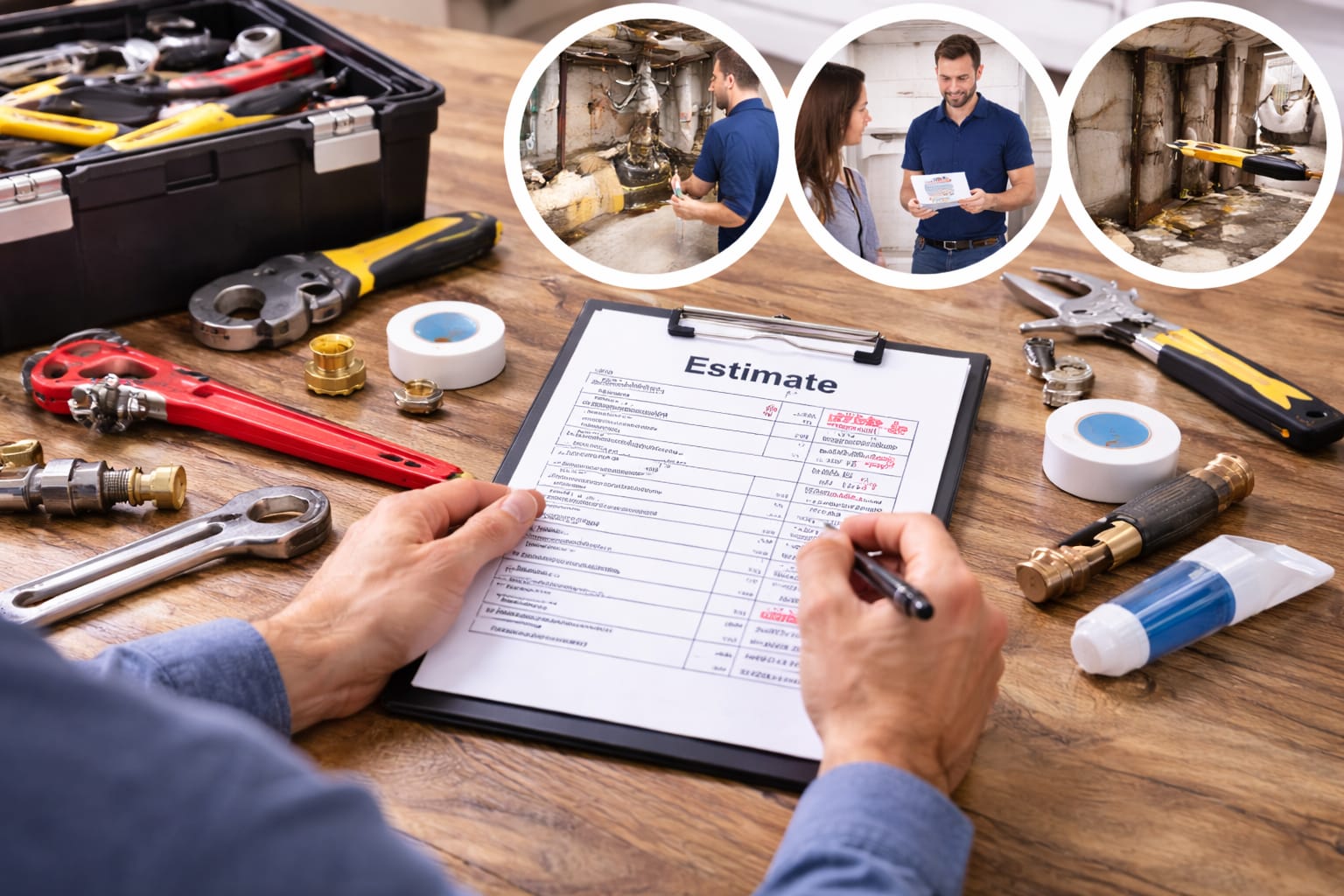
Plumbing service costs represent the price homeowners pay for professional expertise, emergency availability, and compliance with building codes. The average service call is $303 in the Austin area, with hourly rates ranging $90–$200 depending on complexity and whether the work is performed during business hours. Multiple factors—job scope, local conditions, materials, and timing—create significant cost variation that homeowners can better understand and anticipate.
At ABM Plumbing Company serving Austin, Pflugerville, Cedar Park, and Central Texas, we prioritize transparent pricing explanations. Our service calls average $303 in the Austin area, with pricing influenced by local hard water effects, expansive clay soil conditions, and compliance with the 2024 Uniform Plumbing Code. Understanding these factors helps homeowners in neighborhoods like South Congress, Zilker, Tarrytown, and Westlake Hills budget appropriately and recognize the value in professional service.
How Repair Complexity Affects Pricing
Plumbing repairs range from five-minute adjustments to multi-day projects requiring specialized equipment and multiple technicians. This spectrum of complexity directly determines service costs.
Straightforward repairs with predictable costs
Fixture component replacement: Swapping a toilet flapper, faucet cartridge, or showerhead typically requires 15-45 minutes with minimal materials. These repairs generally cost between $150-$300 including the service call, though prices vary by region and company pricing structure.
Basic drain clearing: Simple sink or toilet clogs accessible with a hand auger usually take 30-60 minutes to resolve. Typical costs range from $150-$300 for standard service calls during business hours.
Supply line replacement: Visible supply lines under sinks or toilets involve straightforward disconnection and reconnection. These repairs typically run $200-$400 depending on fixture type and any complications with corroded shutoff valves.
Minor leak repairs: Tightening a loose connection or replacing a worn washer represents quick work when access is clear and components aren't corroded. Budget $150-$300 for these simple fixes.
Complex repairs requiring substantial time and expertise
Water heater installation:
Replacing a standard 40-50 gallon tank water heater involves gas or electrical connections, proper venting, code compliance, and disposal of the old unit. Full replacement typically costs $1,200-$2,500 depending on unit quality and installation complexity.
Main sewer line repair:
Addressing tree root intrusion, collapsed pipes, or significant blockages in your main sewer line often requires excavation, camera inspection, and potentially trenchless repair technology. These projects commonly range from $3,000-$15,000 based on damage extent and repair method.
Whole-home repiping:
Replacing deteriorating galvanized steel or polybutylene pipes throughout a home represents a major project requiring wall access, extensive labor, and substantial materials. Expect costs between $4,000-$15,000 for typical residential repipes.
Slab leak detection and repair:
Finding and accessing leaks in pipes buried beneath concrete foundations requires electronic detection equipment, concrete cutting, and careful restoration. These repairs frequently cost $2,000-$6,000 depending on leak location and access difficulty.
The price difference between simple and complex repairs reflects not just time but also specialized knowledge, equipment investment, and liability associated with major plumbing work.
Labor Rates and Time Investment
Professional plumbing labor represents the largest component of most repair bills. Licensed plumbers typically charge $90-$200 per hour depending on regional cost of living, company overhead, and technician experience level.
Understanding labor pricing factors:
Service call fees cover the cost of dispatching a technician to your location, typically ranging from $150-$300. This fee usually applies toward repair costs if you proceed with the work. The fee compensates for vehicle operation, insurance, scheduling overhead, and guaranteed response regardless of repair simplicity.
Diagnostic time identifies problems requiring inspection, testing, or equipment like cameras and pressure gauges. Complex issues may require 30-90 minutes of diagnosis before repairs even begin. This time investment ensures accurate solutions rather than guesswork.
Repair execution time varies based on task complexity and working conditions. Replacing a faucet in an open, accessible vanity might take 45 minutes. The same faucet replacement in a cramped corner cabinet with corroded supply lines could require two hours.
Conditions that extend repair duration:
Crawl space and attic access forces plumbers to work in confined, uncomfortable positions that slow progress significantly. Repairs taking 30 minutes in a basement might require 90 minutes in a three-foot-high crawl space.
Corroded or seized components complicate disassembly. Fittings that should unscrew easily may require penetrating oil, heat application, or careful cutting to avoid damaging surrounding pipes.
Multiple fixture troubleshooting across different floors requires extensive testing and elimination of potential causes. Diagnosing intermittent problems takes considerably longer than addressing obvious failures.
Safety precautions around electrical panels, gas lines, or asbestos-wrapped pipes require additional care and time that protects both technicians and homeowners.
Experienced plumbers work efficiently through proper training and daily practice, but cutting corners to reduce time creates safety hazards and premature failures. Quality work requires appropriate time investment.
Material Quality and Cost Differences
Parts and materials represent 20-40% of typical repair bills. The specific components needed and their quality level significantly impact overall costs.
Standard versus premium materials:
Basic builder-grade fixtures and components meet minimum standards and carry limited warranties, typically 1-5 years. These products cost less initially but may require replacement sooner.
Mid-range residential products offer better construction quality, longer warranties (5-10 years), and improved performance. Most professional plumbers stock these components as their standard offering.
Premium fixtures feature superior materials, extended warranties (10-25 years or lifetime), better aesthetics, and enhanced functionality. Homeowners selecting high-end products should expect 50-200% higher material costs than standard options.
Specialized components commanding premium prices:
Code-required parts like backflow preventers, expansion tanks, and pressure regulators cost more than basic components but provide essential safety functions. Skipping these items to reduce costs creates code violations and potential hazards.
Proprietary fixtures from specific manufacturers may require brand-specific replacement parts available only through specialty suppliers at elevated prices.
Lead-free brass fittings mandated by current codes cost more than older leaded brass components but meet safety standards for potable water systems.
Earthquake-resistant gas connections and reinforced water heater strapping add material costs in regions with seismic activity but prevent catastrophic failures during events.
Professional plumbers typically mark up parts 20-50% over their wholesale cost. This markup covers inventory carrying costs, warranty support, and the convenience of having components immediately available rather than requiring separate homeowner trips to suppliers.
Emergency Service Premium Pricing
Plumbing emergencies requiring immediate response outside regular business hours carry substantially higher costs—typically 50-100% above standard rates.
Why emergency pricing increases:
On-call availability requires plumbers to remain accessible during personal time, limiting their ability to schedule activities, travel, or fully relax. This lifestyle constraint commands compensation beyond regular hourly rates.
Immediate dispatch interrupts planned schedules, potentially requiring departure from family events, meals, or rest. The inconvenience and opportunity cost justify premium pricing.
After-hours parts procurement involves accessing suppliers with limited evening or weekend hours, often at premium prices. Some emergency repairs require 24-hour supplier fees adding 50-100% to material costs.
Solo response without backup means emergency plumbers handle situations independently without the support available during regular business hours when multiple technicians work simultaneously.
Determining genuine emergencies:
Active flooding from burst pipes, severe leaks, or failed water heaters causing property damage justifies emergency rates. The potential thousands in water damage far exceeds premium service costs.
Complete loss of water service to your home during cold weather risks frozen pipes creating extensive damage. Emergency response prevents compounding problems.
Sewage backups into living spaces create health hazards requiring immediate professional intervention regardless of time or day.
Situations that can wait until regular business hours—slow drips, running toilets, or minor clogs—don't justify emergency pricing. Scheduling standard service saves 50% or more on identical repairs.
Home Age and Existing Plumbing Conditions
Your home's age and plumbing system condition significantly influence repair costs. Older homes frequently present complications that new construction doesn't encounter.
Age-related cost factors:
Homes built before 1960 often contain galvanized steel pipes prone to internal corrosion and brittleness. These pipes may break during repairs intended for other components, expanding project scope unexpectedly. Even simple valve replacements risk causing additional pipe failures.
Cast iron drain systems common in pre-1975 construction corrode internally over decades, becoming thin and fragile. Opening these systems to clear clogs may reveal holes and cracks requiring extensive replacement.
Outdated plumbing materials no longer meeting current codes necessitate upgrades beyond original repair scope. Lead pipes, polybutylene supply lines, and asbestos-wrapped components require specialized handling and disposal adding substantial costs.
Hidden damage discovered during repairs:
Water damage behind walls, under floors, or in ceiling cavities only becomes visible once plumbing access panels open. Addressing rotted framing, damaged drywall, and mold growth adds construction costs to plumbing repairs.
Code violations from previous unpermitted work must be corrected when discovered. Professional plumbers cannot legally leave known hazards unaddressed.
Interconnected failures where one visible problem indicates broader system deterioration often surface during initial repairs. Addressing multiple issues simultaneously prevents return visits but increases immediate costs.
Responsible plumbers inform homeowners about discovered problems rather than ignoring them. This transparency sometimes creates sticker shock but prevents dangerous conditions and future failures.
Permit and Inspection Requirements
Certain plumbing work legally requires permits and inspections regardless of who performs the repairs. These administrative requirements add costs but provide essential protections.
Common repairs requiring permits:
Water heater replacements nearly always require permits to ensure proper installation, venting, and safety device functionality. Permit fees typically range $50-$200 depending on jurisdiction.
New fixture installations during remodels must be inspected to verify code compliance regarding venting, drainage, and water supply adequacy. Permit costs vary by project scope.
Main sewer line repairs or replacements usually require both permits and coordination with municipal sewer departments. Some jurisdictions mandate specific repair methods or materials.
Whole-home repiping projects always require comprehensive permitting and multiple inspections throughout the process.
Value provided by proper permitting:
Verified code compliance protects your family from safety hazards like improper gas connections, inadequate venting, or contaminated water supply.
Documented permitted work increases home value and prevents issues during sales. Many home buyers require proof of permits for major plumbing work.
Inspection oversight catches installation errors before they cause failures or damage. Professional plumbers appreciate this quality control layer.
Insurance claims for water damage may be denied if unpermitted work contributed to failures. Proper permits protect your coverage.
Permit costs represent a small fraction of total project expenses while providing substantial liability protection and peace of mind.
Regional and Seasonal Price Variations
In the Austin region, plumbing service costs vary significantly by geographic location and time of year based on local economic factors and demand fluctuations.
Geographic pricing differences:
Urban areas with higher costs of living typically see plumbing rates 30-60% above rural regions. This reflects rent, insurance, labor costs, and general economic conditions in each area.
Regions with extreme weather requiring freeze protection, earthquake resistance, or hurricane preparedness incur higher material and labor costs for specialized installations.
Local competition affects pricing as markets with numerous plumbing companies tend toward lower rates than areas with limited service options.
State and local licensing requirements vary in stringency and cost, affecting overhead expenses plumbers must recover through service pricing.
Seasonal demand impacts:
Winter months see increased emergency calls for frozen and burst pipes, driving premium pricing during peak demand periods.
Spring and summer renovation seasons create backlogs for non-emergency work, sometimes extending wait times but rarely affecting pricing for urgent repairs.
Holiday periods combine reduced technician availability with increased emergency service demand, creating the highest seasonal pricing.
Getting Accurate Estimates
Homeowners can take specific steps to receive more accurate cost estimates and avoid surprise billing.
Information that improves estimate accuracy:
Describe symptoms completely including when problems occur, what you've already tried, and any relevant home history. Detailed information helps plumbers prepare appropriate tools and parts.
Know your home's age and any previous plumbing work. This context indicates likely pipe materials and potential complications.
Provide access to affected areas before estimates. Locked rooms, blocked crawl spaces, or unclear shutoff valve locations delay diagnosis and accurate pricing.
Ask whether estimates include all anticipated costs or if additional fees might apply for disposal, permits, or unexpected complications.
Questions to ask service providers:
Do you charge trip fees or service call minimums? Understanding base costs helps compare providers fairly.
Are estimates binding or subject to change? Some companies provide firm quotes while others estimate based on assumed conditions.
What warranties cover parts and labor? Understanding coverage terms helps evaluate long-term value.
Do you guarantee your work and for how long? Quality companies stand behind their installations with meaningful guarantees.
Understanding Value Beyond Price
The lowest estimate doesn't always represent the best value. Several factors beyond immediate cost affect long-term satisfaction and expense.
Considerations when evaluating plumbing services:
Proper licensing and insurance protect homeowners from liability if accidents or damage occur during repairs. Unlicensed providers may charge less but leave you fully liable for any problems.
Experience with your specific issue matters significantly. A plumber who regularly handles your type of problem completes work faster and with better outcomes than someone learning on your project.
Quality parts and materials cost more initially but last longer and perform better than budget alternatives. Factor replacement frequency into total cost of ownership.
Comprehensive service addressing underlying causes rather than just surface symptoms prevents recurring problems. Cheap repairs that fail repeatedly cost more over time.
Clear communication and professionalism reduce stress and ensure you understand exactly what work is being performed and why it's necessary.
Making Informed Decisions About Plumbing Costs
Understanding plumbing service pricing factors helps homeowners budget appropriately and recognize fair market rates versus inflated or suspiciously low pricing.
At ABM Plumbing Company, we provide detailed explanations of all work required and associated costs before beginning repairs. Our licensed plumbers ensure you understand exactly what services your home needs and why pricing reflects the complexity and quality of professional plumbing work.
If you need plumbing repairs and want transparent pricing with no surprise charges, contact ABM Plumbing Company. We'll assess your situation honestly and provide solutions that protect both your home and your budget.
Understanding Austin plumbing costs helps you budget wisely. The average service call costs $303, with hourly rates of $90-$200. Emergency calls cost 1.5-3 times standard rates. Water heater repairs average $602, while sewer work runs $150-$300 per linear foot. Our hard water (184 PPM) and complex soil conditions make some repairs more involved than in other areas.
Frequently Asked Questions
What does a plumbing service call cost in Austin?
The average service call in Austin is $303 plus labor. Hourly rates range from $90-$200 depending on complexity. A simple fix like replacing a washer might run $100-$150 total. Diagnosis of a complex problem could be $200-$500. Emergency calls (nights, weekends, holidays) cost 1.5-3x standard rates. ABM Plumbing provides upfront estimates before work begins.
Why do plumbing costs vary so much in Austin?
Experience and equipment affect pricing. Complex problems (burst pipes, main line issues, tree root damage) take longer. Austin’s hard water makes some repairs more involved. Hard-to-access pipes cost more. Materials vary in price. Use of specialized equipment (camera, hydro-jetter) adds cost. Always get estimates from multiple plumbers to compare.
What affects the final cost of a plumbing repair?
Complexity, time required, materials needed, and specialized equipment all factor in. A leak under a sink costs less than a buried main line leak. Removing mineral buildup from our hard water takes more effort. Tree root removal requires specialized equipment. Diagnostic time (finding the real problem) is charged fairly. ABM Plumbing breaks down all costs upfront.
How can I reduce plumbing service costs?
Schedule repairs during business hours (weekdays 8am-5pm) to avoid emergency rates. Fix problems early before they become complex. Maintain your water heater and drains to prevent expensive failures. Bundle repairs to reduce service call fees. Ask about maintenance plans. Get free inspections to catch problems early.
About the Author
Byron D Smith is a Responsible Master Plumber at ABM Plumbing Company of Central Texas. Licensed Texas Master Plumber serving Central Texas. Byron holds Texas Master Plumber License #45625 with the Responsible Master Plumber endorsement and oversees all plumbing work performed by ABM Plumbing.
Need Professional Plumbing Help?
Contact ABM Plumbing Company for expert service in Austin, Round Rock, Cedar Park, Georgetown, Pflugerville and surrounding areas.
Get a Free Quote