Budgeting for Plumbing Repairs | What Homeowners Should Plan For
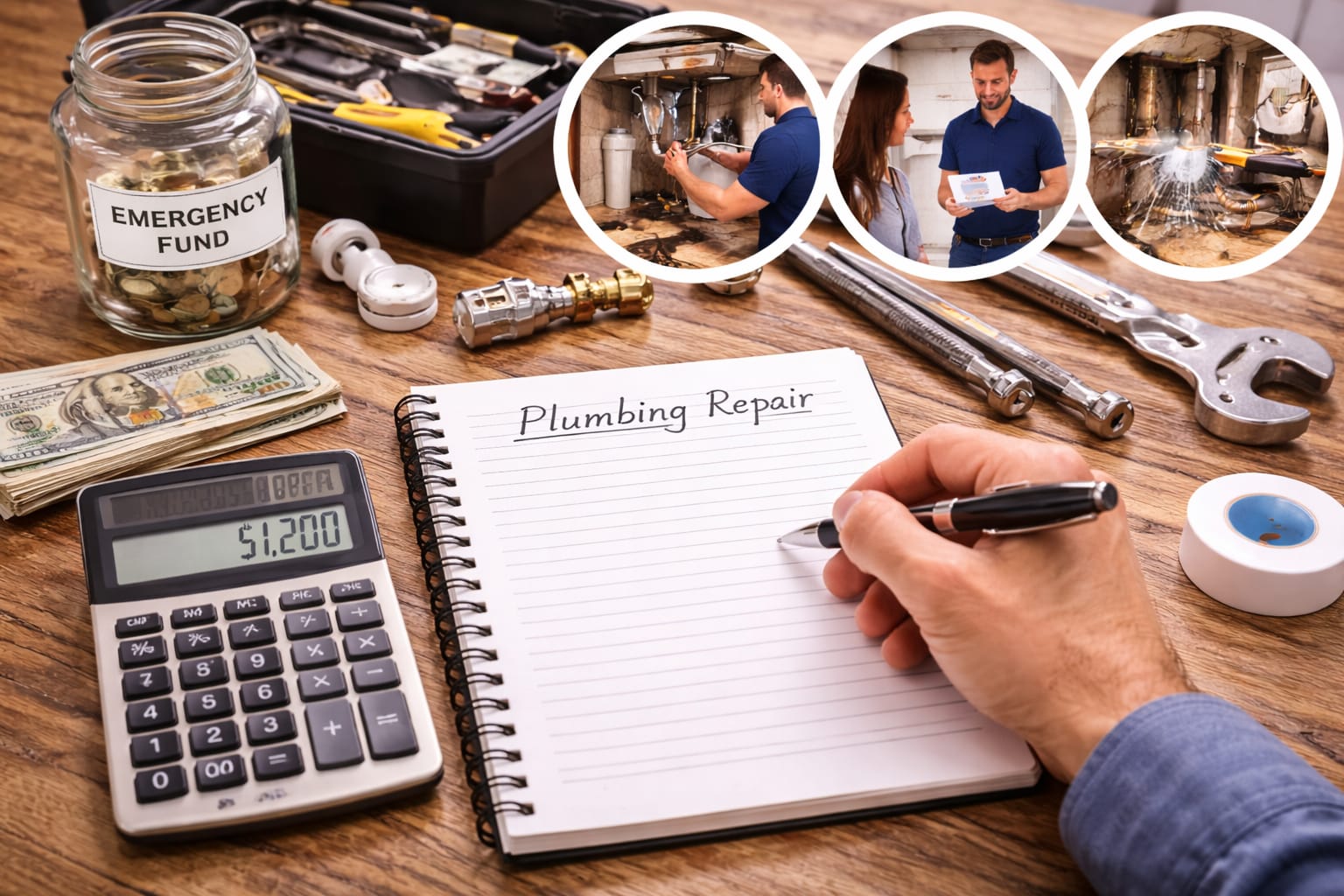
Plumbing failures arrive without warning and rarely at financially convenient moments. A burst pipe doesn't check your savings account balance before rupturing at 2 AM on a holiday weekend. Water heaters don't politely schedule their failures around your budget cycle.
Despite this unpredictability, plumbing repair costs follow recognizable patterns based on home age, system materials, and maintenance history. At ABM Plumbing Company, we help homeowners develop realistic financial planning for inevitable plumbing maintenance and unexpected repairs, preventing both deferred maintenance and financial crises.
Understanding typical plumbing costs and creating appropriate reserves protects your home and your budget simultaneously.
The Financial Reality of Plumbing System Maintenance
Every home's plumbing system gradually deteriorates regardless of initial quality or careful use. Metal pipes corrode internally, rubber seals harden and crack, moving parts wear from repeated operation, and mineral deposits accumulate throughout supply lines.
This deterioration timeline spans decades but progresses inevitably. Homes built in the 1960s-1980s now face widespread fixture replacement and pipe renewal as original components reach end of useful life.
Why financial preparation matters:
Deferred plumbing maintenance compounds costs exponentially. A $200 leak repair ignored for months becomes $5,000 in water damage restoration plus the original repair. Small investments preventing major failures deliver enormous financial returns.
Emergency repairs under time pressure cost 50-100% more than identical work during regular business hours. Financial preparation allows scheduling repairs conveniently rather than accepting emergency premium pricing.
Water damage from plumbing failures represents the second most common homeowner insurance claim after wind and hail damage. Average claims exceed $10,000 with many cases reaching $50,000+ when extensive remediation becomes necessary.
Homes with deferred plumbing maintenance sell for 5-15% below market value as buyers factor repair costs and risk into offers. Proper maintenance preserves full property value.
Long-term cost perspective:
Over a 30-year homeownership period, typical families spend $15,000-$40,000 on plumbing repairs, replacements, and upgrades depending on home size and regional costs. This averages $500-$1,300 annually but arrives in irregular lumps requiring financial reserves.
Homes with proactive maintenance programs spend toward the lower end of this range while properties with reactive repair approaches face higher total lifetime costs.
Annual Plumbing Budget Guidelines
Financial experts recommend reserving 1-3% of home value annually for all maintenance and repairs. Plumbing typically represents 15-25% of total home maintenance spending.
Budget calculation methods:
For a $300,000 home, annual maintenance reserves of $3,000-$9,000 prove appropriate with $450-$2,250 specifically for plumbing. This creates meaningful reserves without excessive cash hoarding.
Alternatively, homeowners can budget $200-$400 monthly into dedicated maintenance accounts. Monthly contributions feel more manageable than annual lump sums while building equivalent reserves.
Home age significantly affects appropriate reserve levels. Properties under 10 years old with warranty coverage may need only $200-$500 annually for minor plumbing issues. Homes 20-40 years old facing component replacement often require $800-$1,500 annual plumbing reserves.
Reserve building strategy:
New homeowners should prioritize building 3-6 months of plumbing reserves covering typical emergency scenarios. This baseline of $1,500-$3,000 addresses most urgent situations without depleting broader savings.
After establishing emergency reserves, continue monthly contributions to accumulate funds for planned replacements like water heaters, fixture upgrades, and gradual system improvements.
Consider separate accounts for routine maintenance versus major replacements. Routine account funds cover annual inspections, minor repairs, and small component replacements. Major replacement accounts build toward anticipated big-ticket items.
Common Plumbing Repairs and Typical Costs
Understanding likely repair expenses helps calibrate appropriate reserve levels and identify unusual pricing requiring second opinions.
Frequent minor repairs:
Dripping faucets: Worn cartridges, washers, or O-rings cause most faucet leaks. Repairs typically cost $150-$300 including labor and parts. While individually inexpensive, multiple dripping faucets throughout a home quickly accumulate.
A single dripping faucet wastes 3,000+ gallons annually, adding $20-$30 to water bills. Prompt repair pays for itself through utility savings within 12-18 months.
Running toilets: Failed flappers, float valves, or fill valves cause toilets to run continuously. Repairs generally cost $150-$250 and prevent thousands of gallons in wasted water monthly.
Running toilets waste 200+ gallons daily, potentially adding $100+ to monthly water bills. This dramatic waste makes prompt repair financially urgent beyond just the repair cost.
Basic drain clearing: Simple sink or toilet clogs accessible with hand augers typically cost $150-$300 to clear. More stubborn clogs requiring powered equipment run $200-$450.
Recurring clogs indicate deeper problems requiring camera inspection ($200–$500) and potentially extensive drain line work ($1,000-$5,000+).
Supply line replacement: Flexible supply lines connecting fixtures to shutoff valves cost $150-$300 to replace. These lines should be replaced every 8-10 years as preventive maintenance before failures occur.
Moderate complexity repairs:
Shutoff valve replacement: Corroded shutoff valves that won't fully close cost $200-$400 each to replace. Homes typically have 8-15 shutoff valves throughout supply systems.
Old homes with original shutoff valves should budget for replacing multiple valves over 2-3 years as these components approach end of service life together.
Fixture replacements: Complete faucet or toilet replacements run $300-$800 depending on component quality and installation complexity. Bathroom vanity faucets cost more than kitchen faucets due to access difficulty.
Water pressure regulator: Failed pressure regulators allowing excessive system pressure cost $350-$600 to replace including proper testing and adjustment.
Garbage disposal replacement: Standard garbage disposals cost $250-$500 installed. Premium models with stronger motors and noise reduction run $400-$700.
Major repairs requiring substantial reserves:
Water heater replacement: Standard 40-50 gallon tank water heaters cost $1,200-$2,500 installed. Tankless models run $2,500-$4,500 depending on fuel type and necessary system upgrades.
Water heaters last 8-12 years typically. Homeowners should begin accumulating replacement funds after year 6-7 anticipating this significant expense.
Sewer line repair: Main sewer line problems from tree roots, collapsed pipes, or severe blockages cost $3,000-$8,000 for trenchless repairs or $5,000-$15,000 for traditional excavation and replacement.
Repiping projects: Partial repiping of problem areas runs $2,000-$6,000 while whole-house repiping costs $4,000-$15,000 depending on home size, pipe materials, and access difficulty.
Slab leak detection and repair: Finding and repairing leaks in pipes beneath concrete foundations costs $2,000-$6,000 including detection, concrete cutting, pipe repair, and restoration.
Emergency Repair Cost Premium
Emergency plumbing situations require immediate professional response regardless of convenient timing. Understanding emergency cost structures helps make informed decisions about which situations truly justify premium pricing.
Emergency service cost factors:
After-hours labor rates typically run 50-100% higher than regular business hours. A $150/hour standard rate becomes $225-$300/hour for emergency service.
Emergency service call fees of $150-$300 apply before work begins, covering immediate dispatch and travel regardless of repair duration or complexity.
Holiday and weekend premium pricing can reach 100-200% above weekday rates as plumbers sacrifice personal time for emergency response.
True emergency situations justifying premium costs:
Active flooding from burst pipes or failed water heaters requires immediate containment preventing thousands in water damage. The emergency premium becomes insignificant compared to avoided losses.
Sewage backups into living spaces create health hazards demanding immediate professional intervention regardless of cost or timing.
Complete water supply loss during freezing weather risks frozen pipes causing catastrophic damage when temperatures rise.
Gas odors near water heaters or plumbing systems require immediate professional assessment preventing explosion or carbon monoxide poisoning risks.
Situations better waiting for regular service:
Slow drips easily contained with buckets don't justify middle-of-the-night emergency rates. Scheduling standard service within 24-48 hours saves substantial premium costs.
Running toilets waste water but don't create immediate hazards. Shutting off supply valves until regular business hours prevents unnecessary emergency charges.
Minor pressure reductions or fixture performance issues allow basic home function without emergency intervention.
Emergency reserve recommendations:
Maintain $1,500-$3,000 in readily accessible emergency funds specifically for urgent plumbing situations. This reserve covers most emergency scenarios without depleting broader savings or requiring high-interest credit.
Factors Increasing Home-Specific Repair Costs
Individual home characteristics significantly influence appropriate plumbing budget levels beyond general age-based guidelines.
Plumbing system age and materials:
Homes built before 1970 often contain galvanized steel pipes requiring complete replacement within 10-20 years. Budget $6,000-$15,000 for eventual full repiping.
Properties with polybutylene pipes (1978-1995 installation) face certain replacement needs. These gray plastic pipes become brittle and fail without warning, requiring proactive replacement costing $4,000-$12,000.
Cast iron drain systems in homes over 50 years old corrode internally and develop leaks. Camera inspection reveals actual condition allowing budgeting for targeted or complete drain replacement.
Regional cost variations:
Urban areas with high living costs see plumbing rates 30-60% above rural regions. A repair costing $500 in rural areas might run $650-$800 in major metropolitan regions.
Regions with frozen ground requiring deep pipe burial face higher repair costs for underground plumbing work due to excavation difficulty and depth requirements.
Areas with strict permitting and inspection requirements add $200-$800 to major repair costs through administrative fees and inspection scheduling.
Home-specific complications:
Finished basements with limited access to plumbing increase repair costs through required demolition and restoration of drywall, flooring, and finishes.
Homes on concrete slabs where supply lines run beneath foundations face highest repair costs when leaks develop requiring concrete cutting and significant restoration work.
Multi-story homes with plumbing distributed across three or more levels increase diagnostic and repair time through accessibility challenges and system complexity.
Previous DIY repairs or unpermitted work often create hidden problems discovered during professional repairs, expanding project scope and costs unexpectedly.
Preventive Maintenance Reducing Long-Term Costs
Strategic preventive maintenance dramatically reduces lifetime plumbing costs by catching problems early and extending component service life.
Annual professional inspection value:
Comprehensive plumbing inspections cost $150-$300 and identify developing problems before failures occur. Early detection allows convenient scheduled repairs rather than emergency response.
Professional inspections reveal hidden leaks, corrosion, pressure issues, and deteriorating components invisible to homeowners. Addressing these findings proactively prevents 60-70% of emergency situations.
Inspection documentation provides baseline condition records supporting future insurance claims and demonstrating proper maintenance during home sales.
Component-specific preventive maintenance:
Water heater annual flushing removes sediment accumulation extending equipment life 30-40%. This $100-$150 service prevents premature tank failures and maintains heating efficiency.
Drain line cleaning every 18-24 months prevents major blockages costing far less than emergency clearing of severe clogs. Preventive cleaning runs $200-$350 versus $500-$1,000 for emergency main line clearing.
Supply line inspection and replacement of aging flexible hoses prevents burst line flooding. Replacing all supply lines proactively every 8-10 years costs $800-$1,500 compared to thousands in emergency water damage.
Shutoff valve operation and lubrication prevents corrosion-seized valves that won't close during emergencies. This simple maintenance during inspections prevents $300-$500 valve replacements.
Long-term savings calculation:
Homes with annual preventive maintenance programs average 40-60% lower lifetime plumbing costs than properties receiving only reactive emergency repairs.
A $250 annual inspection finding and addressing $600 in minor repairs prevents potential $3,000+ emergency situations and associated property damage. This return on investment exceeds most financial instruments.
Water Damage Prevention and Insurance Considerations
Plumbing failures causing water damage represent substantial financial risks beyond immediate repair costs. Understanding insurance coverage and prevention strategies protects assets.
Insurance coverage limitations:
Standard homeowner policies cover sudden accidental water damage from burst pipes or failed water heaters but exclude gradual damage from slow leaks or maintenance neglect.
Policies typically have $5,000-$25,000 deductibles for water damage claims. Multiple small claims increase premiums or risk policy cancellation.
Flood damage from external sources requires separate flood insurance. Confusion about covered versus excluded water damage creates financial surprises for many homeowners.
Prevention technology value:
Automatic water shutoff systems costing $500-$1,200 installed prevent catastrophic damage from burst pipes, failed water heaters, or forgotten fixtures. Many insurers offer 5-15% premium discounts for these systems.
Leak detection systems identifying problems early cost $300-$800 installed and prevent the 85% of water damage cases caused by slow hidden leaks rather than sudden catastrophic failures.
Smart water monitors tracking consumption patterns cost $200-$500 and identify running toilets, dripping faucets, and irrigation system leaks before significant damage or utility cost accumulation.
Financial impact comparison:
Installing comprehensive leak detection and automatic shutoff costs $1,000-$2,000 but prevents average water damage claims of $10,000+. This prevention investment pays for itself through single avoided incident.
Insurance premium discounts of $100-$300 annually for leak prevention systems recover installation costs within 5-10 years even without claims, making this investment financially attractive beyond just risk reduction.
Building and Managing Plumbing Reserves
Disciplined savings strategies ensure adequate reserves exist when plumbing repairs become necessary without disrupting broader financial planning.
Funding strategies:
Automatic monthly transfers of $150-$350 into dedicated maintenance accounts build reserves painlessly through consistent small contributions rather than disruptive lump sums.
Windfalls like tax refunds or bonuses can accelerate reserve building. Allocating 10-20% of unexpected income toward maintenance reserves rapidly establishes adequate cushions.
Reducing discretionary spending temporarily by $50-$100 monthly accelerates reserve accumulation during rebuilding periods after major repairs deplete savings.
Account structure recommendations:
High-yield savings accounts for emergency reserves provide immediate access when urgent situations arise while earning competitive interest on parked funds.
Separate accounts for routine maintenance versus major replacements prevent confusion and ensure adequate funds exist for both predictable minor repairs and anticipated big-ticket replacements.
Withdrawal discipline:
Reserve accounts should fund only legitimate plumbing maintenance and repairs, not general home improvements or other expenses. Maintaining discipline preserves financial protection.
After withdrawals for repairs, prioritize rebuilding reserves to original levels before increasing other spending. This discipline ensures protection remains constant.
Professional Planning Guidance
Understanding plumbing repair costs and developing appropriate reserves protects both your home's physical condition and your financial stability.
At ABM Plumbing Company, we help homeowners understand their specific plumbing system condition and likely future repair needs. Our licensed plumbers provide honest assessments about which repairs require immediate attention versus those that can be planned over time, allowing effective budget management.
Annual inspections identify developing problems early when repairs cost less and can be scheduled conveniently. This proactive approach reduces lifetime plumbing costs while preventing emergency situations that disrupt budgets and daily life.
Austin homeowners should understand local plumbing costs to budget effectively. Average service calls in the Austin area run $303, with hourly rates between $90-$200. Emergency calls cost 1.5-3 times standard rates. Our hard water means water heaters require more frequent maintenance, and expansive clay soil makes sewer issues common. Understanding Austin-specific factors helps you plan realistic budgets for your home.
Frequently Asked Questions
What’s a typical plumbing service call cost in Austin?
A standard service call in Austin runs $303 on average, plus parts and labor. Hourly rates range from $90-$200 depending on the complexity and time of day. Emergency calls (nights, weekends, holidays) cost 1.5-3 times the regular rate. ABM Plumbing Company provides upfront pricing before beginning work.
How much should homeowners budget annually for plumbing maintenance?
Budget $500-$1,500 annually for preventive maintenance in Austin. This includes seasonal inspections, drain cleaning, and water heater flushing to handle our hard water. Emergency repairs without preventive maintenance can cost $1,000-$5,000+.
Are plumbing financing options available in Austin?
Yes. Many Austin plumbing companies, including ABM Plumbing, offer financing for major repairs through third-party lenders. You can often finance water heaters, sewer line repairs, and repiping projects over 12-60 months. Ask about promotional rates—many offer 0% financing for 12 months.
What causes unexpected plumbing costs in Austin?
Hidden damage is the biggest factor. Austin’s expansive clay soil causes sewer line cracks that aren’t visible until inspection. Hard water accelerates pipe degradation, making replacements necessary sooner than expected. Tree roots (especially from live oaks and pecans) cause expensive main line damage. Always get a camera inspection before committing to major work.
Contact ABM Plumbing Company to schedule a comprehensive plumbing inspection and receive personalized guidance about your home's likely repair needs. We'll help you develop realistic budgets protecting both your property and your peace of mind.
About the Author
Byron D Smith is a Responsible Master Plumber at ABM Plumbing Company of Central Texas. Licensed Texas Master Plumber serving Central Texas. Byron holds Texas Master Plumber License #45625 with the Responsible Master Plumber endorsement and oversees all plumbing work performed by ABM Plumbing.
Need Professional Plumbing Help?
Contact ABM Plumbing Company for expert service in Austin, Round Rock, Cedar Park, Georgetown, Pflugerville and surrounding areas.
Get a Free Quote