Removing Chlorine from Drinking Water | What Homeowners Should Know
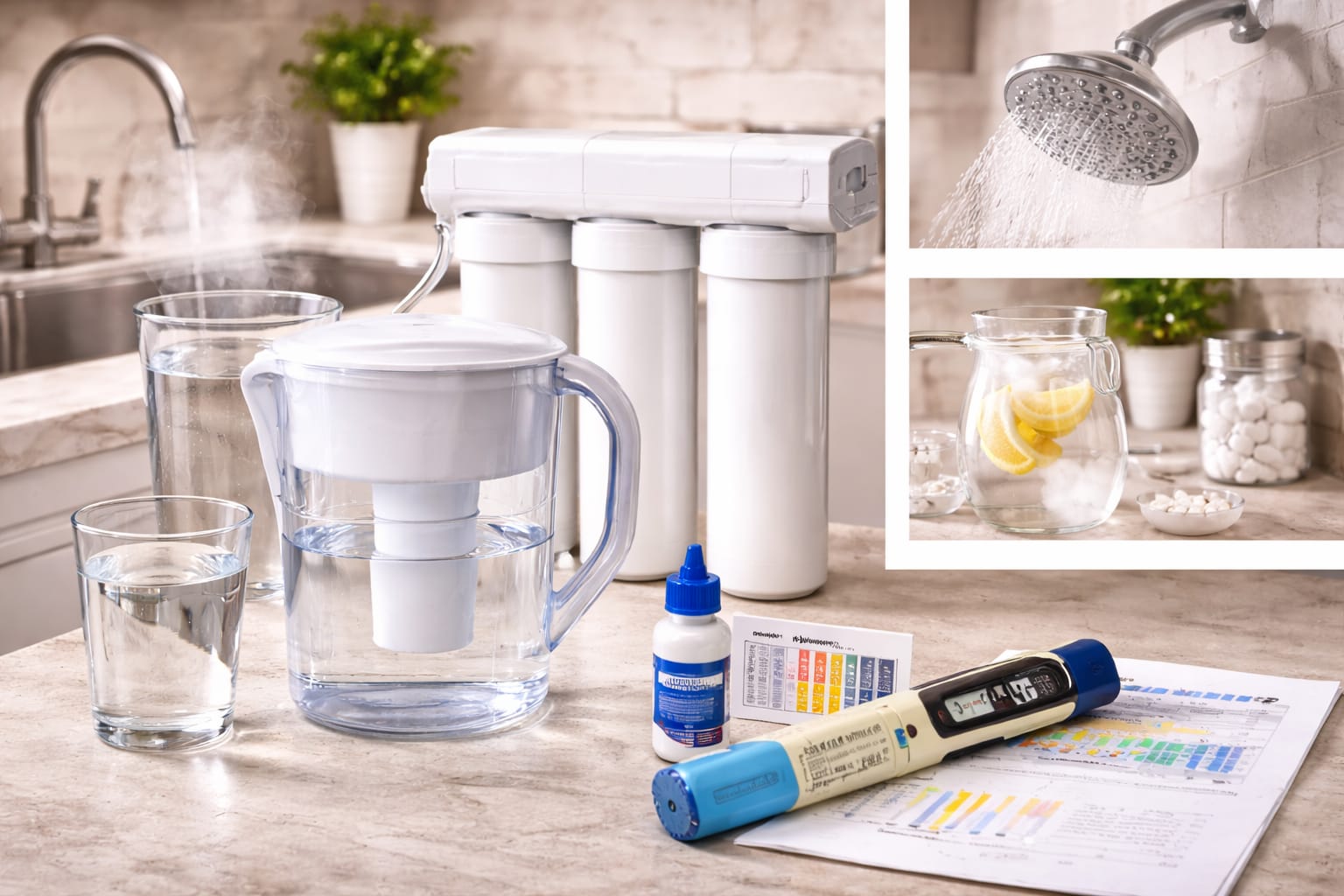
Chlorine plays an important role in keeping public drinking water safe by killing harmful bacteria and pathogens. However, while it’s effective for disinfection, chlorine can leave behind an unpleasant taste and odor that many homeowners would rather avoid. Austin-area residents often notice these chlorine characteristics in their tap water. Fortunately, effective filtration solutions can remove it while maintaining water safety.
At ABM Plumbing Company, we help homeowners improve water quality and choose filtration solutions that remove chlorine while keeping their water safe and reliable. Here's what you should know about chlorine in drinking water and how to remove it.
Why Chlorine Is Used in Drinking Water
Municipal water systems add chlorine to disinfect water as it travels from treatment plants to homes. This process helps prevent the spread of waterborne illnesses and keeps water safe through long distribution systems.
The levels used are regulated and considered safe, but that doesn't mean everyone enjoys the taste or smell.
Common Issues Caused by Chlorine
While chlorine is effective, it can create several everyday concerns including strong taste or chemical smell in drinking water, unpleasant odor when cooking or making beverages, dry skin or hair when bathing, and damage to rubber seals in appliances over time.
These issues often prompt homeowners to look for filtration options.
How to Tell If Your Water Contains Chlorine
Most municipal water supplies use chlorine or chloramine. Your local water quality report will list disinfectants used and their levels.
You may also notice chlorine if water smells like a swimming pool, taste is sharp or chemical, or hot water odor is stronger than cold.
Professional water testing can confirm chlorine levels and guide filtration choices.
Effective Ways to Remove Chlorine from Drinking Water
Activated Carbon Filters are one of the most effective and affordable ways to remove chlorine. These filters trap chlorine particles, improving taste and odor. Common options include under-sink filters, faucet-mounted filters, and refrigerator filters.
Whole-House Filtration Systems using carbon filtration remove chlorine from all water entering the home, not just drinking water. This improves water for bathing, laundry, and appliances as well.
Pitcher and Countertop Filters are budget-friendly and easy to use, though they only treat small amounts of water at a time.
Chlorine vs. Chloramine: Why It Matters
Some water systems use chloramine instead of chlorine. Chloramine lasts longer in water but is harder to remove.
Standard carbon filters remove chlorine easily, but chloramine often requires specialized filtration systems or longer contact time. Knowing which disinfectant your water provider uses helps ensure proper treatment.
Choosing the Right Filtration Solution
The best chlorine removal solution depends on whether you want filtered water at one faucet or throughout the home, your water usage habits, and budget and maintenance preferences.
A plumber can help match the right filtration system to your water quality and household needs.
Get Help Improving Your Drinking Water
If chlorine taste or odor is affecting your water, professional filtration can make a noticeable difference. ABM Plumbing Company helps homeowners test their water, choose effective chlorine-removal systems, and ensure proper installation.
Contact ABM Plumbing Company today to learn how to improve your drinking water and enjoy cleaner, better-tasting water at home.
Austin Water adds chlorine for disinfection, affecting taste and odor. Combined with our hard water (184 PPM), chlorine creates compounds some consider undesirable. Filtration systems remove chlorine while reducing mineral content. Understanding your Austin Water quality report and choosing appropriate filters helps you improve your drinking water affordably.
Frequently Asked Questions
Does Austin Water use chlorine?
Yes. Austin Water uses chlorine disinfection to meet safety standards. Chlorine levels are safe per EPA standards but may affect taste and odor. If chlorine smell is strong, contact Austin Water at (512) 974-2199. Most chlorine dissipates naturally; filtration removes additional amounts.
What’s the best way to remove chlorine in Austin?
Activated carbon filters (pitcher, faucet-mounted, or whole-house) remove 90%+ of chlorine. Cost ranges from $30 (pitcher) to $500-$2,000 (whole-house). Reverse osmosis systems remove chlorine and hardness but waste water. Combining softening and carbon filtration addresses both Austin’s hardness and chlorine concerns. Ask about combined systems.
What other water quality concerns exist in Austin?
Besides chlorine, our hardness is the main concern. Some areas have trace minerals or sediment. Austin Water provides a free annual Water Quality Report. Read it to identify your specific concerns. If you have specific health concerns, get your water tested by a certified lab. ABM Plumbing can recommend filters based on your Water Quality Report.
Do I need a whole-house chlorine filter or just a drinking water filter?
If chlorine taste/odor bothers you in cooking, a whole-house carbon system is best. For drinking water only, a point-of-use filter (pitcher, faucet, or reverse osmosis) is more affordable. Most Austin families choose point-of-use filtering for drinking/cooking water, then address hardness with a separate softener system.
ABM Plumbing Company of Central Texas proudly serves Central Texas. Call us at (512) 620-8200 to discuss chlorine filtration and water treatment solutions.
About the Author
Byron D Smith is a Responsible Master Plumber at ABM Plumbing Company of Central Texas. Licensed Texas Master Plumber serving Central Texas. Byron holds Texas Master Plumber License #45625 with the Responsible Master Plumber endorsement and oversees all plumbing work performed by ABM Plumbing.
Need Professional Plumbing Help?
Contact ABM Plumbing Company for expert service in Austin, Round Rock, Cedar Park, Georgetown, Pflugerville and surrounding areas.
Get a Free Quote