Gas Line Leak Warning Signs
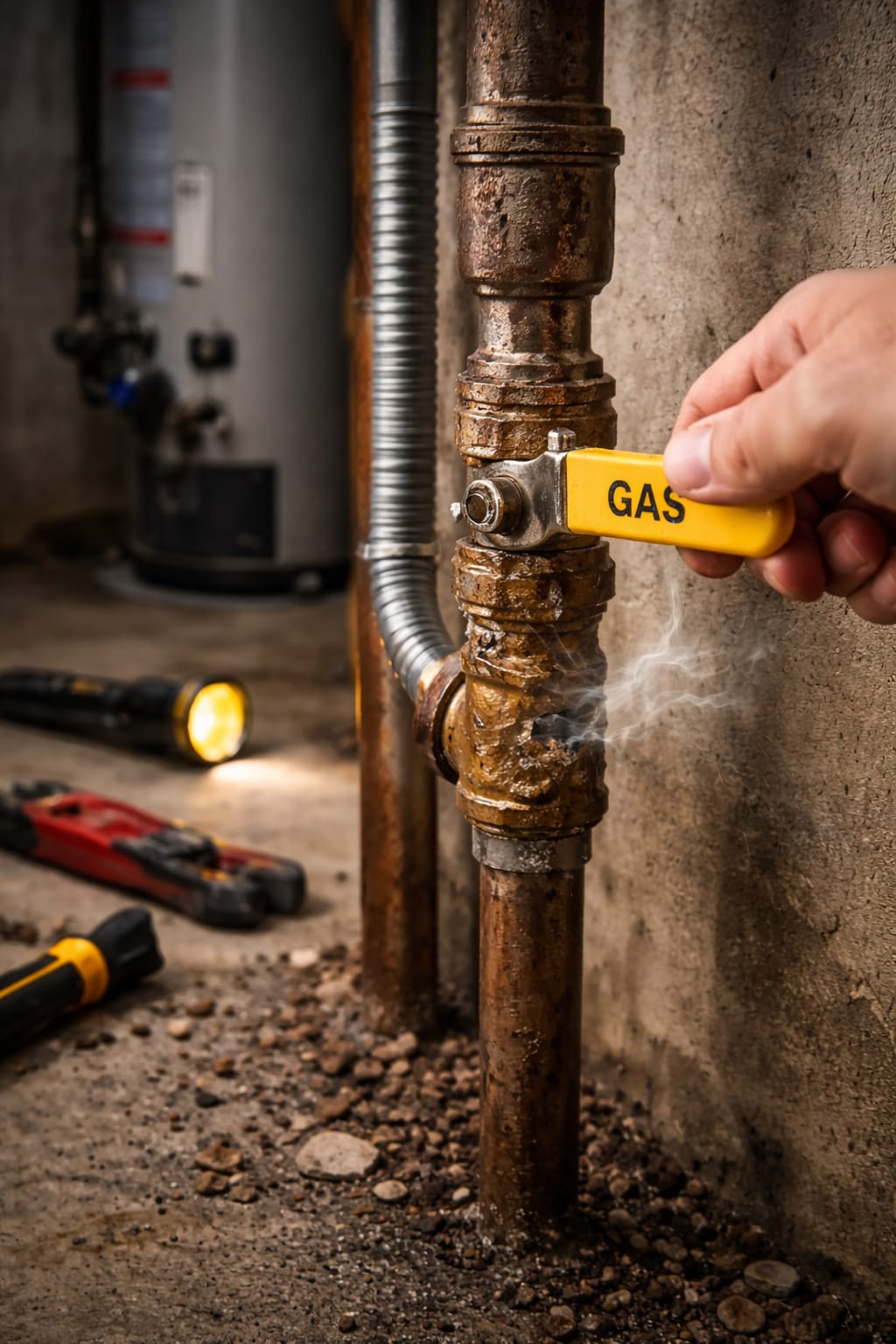
A gas line leak is a life-threatening emergency where natural gas escapes from lines that deliver fuel to stoves, water heaters, or furnaces. Even small leaks create serious hazards including explosion risks, carbon monoxide poisoning, and asphyxiation. Licensed Texas plumbers charge $300–$450 for emergency service calls plus $150–$300/hour labor to locate and repair leaks. Unlike many plumbing problems, a gas leak isn’t just about property damage. It can threaten health, safety, and even lives if it goes unnoticed or is handled incorrectly.
Natural gas is designed to be detectable, but warning signs are not always obvious. Understanding what to look for and how to respond can make a critical difference. This guide explains the most common gas leak warning signs, why they matter, and what steps to take if you suspect a problem.
For Greater Austin area homeowners, being alert to gas safety is particularly important given the number of gas-powered systems used in homes throughout Central Texas. Gas detection takes priority over all other concerns—if you suspect a leak, evacuate immediately and call emergency services from outside the home.
Why Gas Leaks Are So Dangerous
Natural gas is highly flammable. Even a small leak can build up quickly in enclosed spaces, increasing the risk of fire or explosion. Inhaling gas can also displace oxygen, leading to symptoms such as dizziness, nausea, headaches, or breathing difficulty.
Because gas lines often run behind walls, underground, or through attics and crawl spaces, leaks may go undetected until symptoms or secondary signs appear. That’s why awareness is so important.
The Smell of Rotten Eggs
The most well-known warning sign of a gas leak is smell. Natural gas is odorless by itself, but utility companies add a sulfur-like odorant that smells similar to rotten eggs.
If you notice this smell inside or outside your home, even if it seems faint or intermittent, it should never be ignored. A strong or persistent odor is a clear signal that gas may be leaking somewhere in the system.
Do not assume the smell will go away on its own. Gas odors often indicate an active leak.
Hissing or Whistling Sounds
Another common sign of a gas leak is sound. A hissing, whistling, or rushing noise near a gas appliance, gas line, or meter may indicate gas escaping under pressure.
These sounds are sometimes mistaken for airflow or water movement, especially near walls or utility areas. If the sound is new, unexplained, and located near gas equipment, it should be treated as a potential leak.
Dead or Dying Vegetation Outdoors
Gas line leaks are not limited to indoor spaces. Underground gas lines can leak as well, and one of the most visible signs is unexplained damage to plants or grass.
If you notice patches of grass suddenly turning yellow or brown, or plants dying without a clear reason, a gas leak beneath the soil may be the cause. This is especially concerning if the affected area is near the gas meter or where the gas line enters the home.
Physical Symptoms in People or Pets
Exposure to gas can cause noticeable physical symptoms, even when the smell is mild.
Common symptoms include headaches, dizziness, nausea, fatigue, eye irritation, and shortness of breath. Pets may act lethargic, vomit, or behave unusually.
If multiple people or animals experience symptoms at the same time, particularly when inside the home, it may point to a gas-related issue rather than a coincidental illness.
Pilot Lights Going Out Repeatedly
Gas appliances such as water heaters, furnaces, or stoves rely on a steady gas supply. If pilot lights keep going out or appliances struggle to stay lit, it may indicate a gas pressure problem or leak somewhere in the system.
While pilot light issues can have other causes, repeated failures should be investigated rather than reset repeatedly.
Loose, Damaged, or Corroded Gas Lines
Visible damage is another warning sign. Gas lines should be secure, properly supported, and free of corrosion.
Warning signs include rusted pipes, cracked fittings, loose connections, or lines that appear bent or stressed. Older homes are especially susceptible to deterioration over time, particularly if gas lines have not been inspected regularly.
Even minor damage can worsen quickly under pressure.
What to Do If You Suspect a Gas Leak
If you suspect a gas leak, safety comes first.
Do not use light switches, appliances, phones, or anything that could create a spark. Do not try to locate the leak yourself.
If it is safe to do so, leave the building immediately and get to fresh air. Once outside and at a safe distance, contact your gas utility provider or emergency services. Many gas companies have emergency response teams available at all hours.
Only return to the property once professionals have confirmed it is safe.
Why Gas Leaks Should Never Be a DIY Repair
Gas systems are tightly regulated for a reason. Improper repairs, even small ones, can increase the risk of leaks, fires, or carbon monoxide issues.
Attempting to tighten fittings, replace lines, or modify gas connections without proper licensing and equipment can create serious hazards. Gas work should always be handled by qualified professionals trained to test, repair, and certify the system safely.
Reducing the Risk of Gas Line Leaks
While not all leaks are preventable, homeowners can reduce risk through awareness and maintenance.
Pay attention to changes in smell, sound, or appliance performance. Avoid storing heavy items near exposed gas lines. Schedule inspections if your home has older gas piping or if renovations have recently been completed.
Installing gas detectors near appliances and sleeping areas can also provide early warning before symptoms develop.
Professional Help When Gas Safety Matters Most
Gas line issues require fast, careful, and professional attention. If you notice warning signs or suspect a gas leak, ABM Plumbing Company provides licensed gas line inspection and repair services focused on safety and long-term reliability. When something doesn't feel right, it's always better to have an expert evaluate the situation and ensure your home is safe.
Serving Greater Austin area with gas line repair and inspection services. Call ABM Plumbing Company at (512) 620-8200 for emergency gas line assistance. For gas emergencies, you can also contact Austin Energy at their emergency hotline.
Related Articles
Frequently Asked Questions
What should I do if I smell gas?
Do not ignore a gas smell. Evacuate immediately, do not use electrical switches or lighter appliances, and call emergency services (911 in Greater Austin area) from outside the home. Do not re-enter until gas company or emergency responders confirm the area is safe.
How fast can a professional fix a gas leak?
After emergency services confirm the area is safe, licensed plumbers can typically locate and repair simple leaks in 1–2 hours. Complex leaks or main line damage may take longer. Emergency service calls cost $300–$450 plus $150–$300/hour labor, with same-day availability during business hours in Austin and surrounding areas.
Can I fix a small gas leak myself?
No. Gas line repair requires a licensed plumber and often a licensed gas fitter or specialist certified in Texas. Any gas work must meet plumbing code and pass inspection. Do not attempt DIY repairs on gas lines—even small mistakes create serious safety hazards.
About the Author
Byron D Smith is a Responsible Master Plumber at ABM Plumbing Company of Central Texas. Licensed Texas Master Plumber serving Central Texas. Byron holds Texas Master Plumber License #45625 with the Responsible Master Plumber endorsement and oversees all plumbing work performed by ABM Plumbing.
Need Professional Plumbing Help?
Contact ABM Plumbing Company for expert service in Austin, Round Rock, Cedar Park, Georgetown, Pflugerville and surrounding areas.
Get a Free Quote