Emergency Plumber Fees Explained | Why Urgent Repairs Cost More
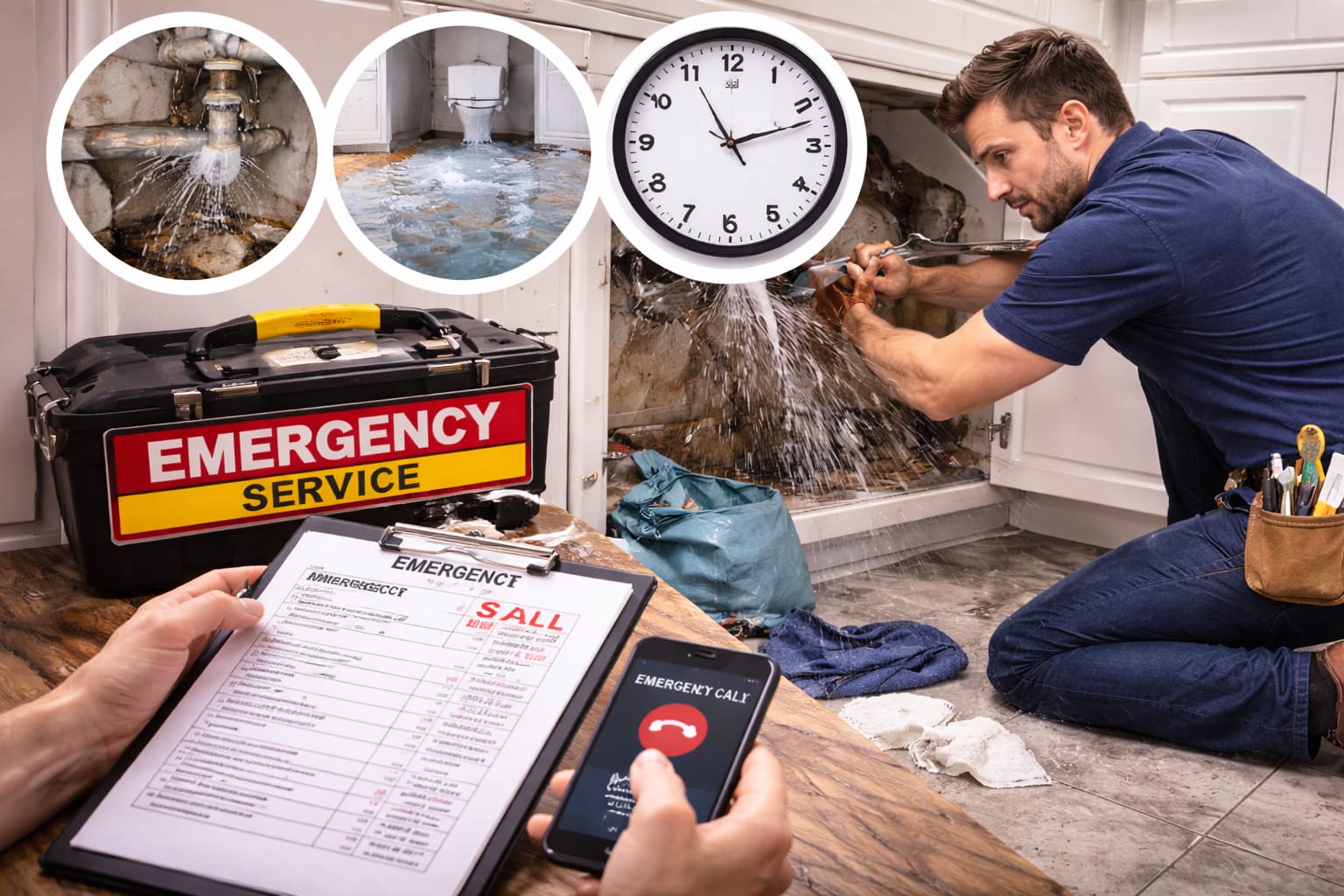
Few home crises create the same urgency and stress as plumbing emergencies. Water gushing from a burst pipe at 2 AM or sewage backing into your bathroom on a holiday weekend demands immediate professional response regardless of inconvenient timing.
Emergency plumbing service typically costs 1.5–3 times normal rates—50-100% more than identical repairs during business hours. In Austin and surrounding Central Texas communities, emergency service fees reflect on-call technician availability, rapid dispatch, and Texas licensing compliance for urgent repairs. At ABM Plumbing Company, we believe homeowners deserve clear explanations about emergency service pricing. Understanding these costs helps you make informed decisions during stressful situations and recognize the value emergency plumbers provide.
Defining True Plumbing Emergencies
Not every plumbing problem constitutes a genuine emergency requiring immediate professional response. True emergencies involve active threats to property, health, or safety that worsen significantly with each passing hour.
Situations requiring emergency plumbing service:
Burst pipes flooding your home: Broken supply lines release 2-10 gallons per minute depending on pipe size and water pressure. A half-inch copper line at typical residential pressure floods a room with over 100 gallons hourly. Each hour of delay adds thousands in potential water damage to flooring, walls, furnishings, and structural components.
Sewer backups into living spaces: Raw sewage entering your home creates immediate health hazards from bacteria, viruses, and pathogens. Contaminated water damages porous materials like drywall, carpeting, and furniture beyond cleaning. Professional remediation costs escalate dramatically with exposure duration.
Complete water supply loss: Total loss of water service during freezing weather risks frozen pipes that burst when temperatures rise. Lack of water for sanitation creates health and safety concerns, particularly in homes with young children, elderly residents, or medical needs.
Major leaks causing active damage: Significant leaks from water heaters, supply lines, or fixture connections that saturate ceilings, walls, or floors require immediate intervention. Water infiltration spreads rapidly through building materials, with damage extent increasing exponentially over time.
Gas odors near water heaters: Natural gas smells near water heaters or gas lines indicate potentially dangerous leaks requiring immediate professional assessment. While primarily a gas company issue, plumbers with gas line certification can address these emergencies.
Frozen pipes at risk of bursting: Completely frozen supply lines under stress from expanding ice may burst when thawing begins. Professional intervention helps manage thawing safely and contains damage if ruptures occur.
Situations that can typically wait for regular service:
Slow drips from faucets or minor leaks contained by placing buckets don't worsen significantly overnight. Schedule standard service to avoid emergency fees.
Running toilets, while wasteful, don't create immediate hazards. Turn off the supply valve and arrange regular service.
Slow drains that haven't completely blocked allow basic function until business hours. Avoid chemical cleaners and schedule professional drain cleaning.
Minor water pressure reductions throughout the house indicate developing problems but don't require middle-of-the-night response.
Understanding this distinction helps homeowners avoid unnecessary emergency fees while recognizing when immediate response truly matters.
The Economics Behind Emergency Service Pricing
Emergency plumbing rates reflect genuine business costs associated with maintaining emergency readiness and immediate response capabilities. These aren't arbitrary markups but necessary pricing to sustain emergency service infrastructure.
On-call availability requirements:
Emergency plumbers maintain constant readiness during assigned on-call periods, typically 24-48 hour rotations. This availability severely restricts personal activities, family time, and rest. On-call technicians cannot travel far from service areas, consume alcohol, or engage in activities preventing immediate response.
Compensation for this lifestyle disruption must exceed regular wages to remain sustainable. Most plumbing companies pay on-call stipends of $100-$300 per 24-hour period even without actual calls, recognizing the burden of continuous availability.
When calls do come in, on-call plumbers must respond immediately regardless of circumstances—interrupting sleep, meals, family events, or personal time. This unpredictability commands premium compensation beyond standard hourly rates.
Immediate dispatch logistics:
Emergency response requires dropping current activities and traveling to your location within 1-2 hours. Unlike scheduled service allowing efficient route planning and multiple same-area jobs, emergency calls involve single-destination trips at any hour.
Vehicle operation costs remain constant whether efficiently routing between scheduled appointments or making single emergency runs. Fuel, insurance, maintenance, and vehicle depreciation must be recovered through emergency service fees.
Emergency calls prevent the productivity advantages of organized scheduling. A plumber handling three scheduled jobs in a neighborhood works far more efficiently than making isolated emergency trips across town.
After-hours parts procurement:
Emergency repairs requiring parts outside regular business hours involve significant additional costs. Plumbing supply houses maintaining 24-hour emergency access charge premium rates—often 50-100% above daytime pricing.
Some repairs require parts from specialty suppliers without 24-hour availability. Emergency plumbers maintain extensive truck stock to handle common issues without parts runs, but this inventory investment represents substantial capital tied up in rarely-used components.
When necessary parts aren't stocked, emergency repairs may require temporary fixes followed by scheduled permanent repairs once parts become available at reasonable cost.
Insurance and liability considerations:
Emergency service involves elevated risk factors that increase insurance costs. Working in flooded conditions, tight spaces, or unfamiliar homes at night raises accident potential. Professional liability coverage for emergency work costs more than standard service insurance.
Emergency situations often involve property damage already in progress. Plumbers responding to active flooding, sewage backups, or gas leaks face higher liability exposure than routine service calls.
Typical Emergency Plumbing Fee Structures
Emergency plumbing pricing typically includes several components that combine into total service costs substantially higher than regular business hours rates.
Emergency service call fees:
Base emergency fees of $150-$300 cover dispatch, travel, and initial assessment regardless of repair duration. This fee compensates for immediate response infrastructure and represents the minimum charge for any emergency call.
Some companies apply this fee toward total repair costs while others charge it separately. Clarify this detail when calling for emergency service to understand true pricing.
After-hours service call fees run 50-100% higher than daytime equivalents. A $100 standard service call becomes $150-$200 for evening, overnight, weekend, or holiday response.
Emergency labor rates:
Hourly labor rates for emergency service typically range $150-$250 compared to $90-$200 for regular business hours. This premium reflects on-call availability, immediate dispatch, and after-hours work disruption.
Holiday emergency service commands the highest premiums—sometimes 100-150% above regular rates. Plumbers sacrificing major holidays with family deserve compensation reflecting that significant personal cost.
Minimum charge periods ensure emergency calls cover at least 1-2 hours of labor even for quick repairs. This minimum recognizes the disruption and response cost regardless of actual repair duration.
Diagnostic and containment time:
Emergency situations often require extensive diagnosis under difficult conditions. Identifying leak sources in flooded crawl spaces or tracing sewer backup causes takes time before repairs even begin.
Initial containment and damage mitigation—shutting off water supplies, extracting standing water, protecting unaffected areas—precedes permanent repairs but appears on emergency service invoices.
Complex problems may require diagnostic equipment like thermal cameras, moisture meters, or sewer cameras adding equipment fees to labor charges.
Parts and materials at emergency pricing:
Materials used during emergency repairs reflect emergency procurement costs when applicable. Parts from emergency supplier networks cost more than standard daytime purchases.
Emergency plumbers typically stock common components in service vehicles, but these items carry overhead costs from inventory investment and replacement of expired or outdated stock.
Temporary repair materials used for immediate containment before permanent fixes add to overall emergency service costs but prevent damage escalation.
Variables Affecting Emergency Service Costs
Individual emergency situations vary significantly in complexity and required response, creating wide cost ranges even for similar apparent problems.
Time and day factors:
Weeknight emergencies (6 PM - midnight) generally cost less than middle-of-night calls (midnight - 6 AM). Late evening hours see more moderate premiums than truly overnight service.
Weekend emergency rates exceed weeknight premiums but remain below holiday pricing. Saturday daytime emergencies may cost only 25-50% more than weekday rates.
Major holidays command maximum emergency premiums. Christmas, Thanksgiving, New Year's Day, and similar holidays see pricing 100-200% above standard rates.
Problem severity and complexity:
Simple emergency repairs like replacing a failed supply line or clearing a toilet backup cost less than complex situations requiring extensive diagnosis and multi-step solutions.
Emergencies involving multiple systems—water supply problems causing electrical hazards, for example—require extra caution and time increasing overall costs.
Situations requiring specialized equipment like concrete cutting for slab leaks, camera inspection for sewer lines, or hydro-jetting for major blockages add significant equipment and expertise costs.
Access and working conditions:
Readily accessible problems in open spaces like basements or utility rooms cost less than emergencies requiring working in flooded crawl spaces, confined attics, or areas needing demolition for access.
Weather conditions affect costs when repairs require outdoor work. Freezing temperatures, heavy rain, or extreme heat create challenging working conditions justifying premium rates.
Safety hazards like standing water near electrical panels, gas line proximity, or structural instability require additional precautions slowing work and increasing costs.
Property age and existing conditions:
Modern homes with accessible plumbing and current-code systems generally incur lower emergency costs than older properties with outdated materials and difficult access.
Homes with corroded shutoff valves, brittle pipes, or deteriorated fixtures often require additional work beyond the primary emergency issue.
Previous DIY repairs or unpermitted work may create complications requiring correction during emergency response, expanding project scope and costs.
Calculating Emergency Service Value
Despite higher costs, emergency plumbing service often represents significant value by preventing exponentially greater damage and expenses.
Damage prevention economics:
Water damage costs average $2,700 per incident according to insurance industry data, with many cases exceeding $10,000 when structural repairs, mold remediation, and content replacement become necessary.
A $500 emergency service call stopping active flooding prevents damage costs 5-20 times higher than the service fee. The emergency premium becomes insignificant compared to avoided losses.
Early intervention prevents secondary damage like mold growth requiring professional remediation costing $2,000-$10,000 depending on extent. Mold begins colonizing damp materials within 24-48 hours.
Insurance considerations:
Homeowner's insurance typically covers water damage from sudden plumbing failures but may exclude damage from neglected maintenance or delayed response to known problems.
Prompt emergency service documentation demonstrates responsible response to minimize losses, supporting insurance claims and preventing coverage disputes.
Some policies provide emergency service reimbursement for reasonable and necessary immediate repairs, offsetting premium pricing through insurance benefits.
Health and safety value:
Sewage backups create dangerous pathogen exposure risking serious illness, particularly for children, elderly family members, or immunocompromised individuals. Immediate professional remediation protects family health.
Gas leaks or potential gas exposure near water heaters require immediate professional assessment preventing explosion or carbon monoxide poisoning risks.
Complete water loss creates sanitation challenges that emergency service resolves quickly, restoring normal home function and hygiene.
Reducing Emergency Plumbing Risks
Proactive maintenance and homeowner preparedness significantly reduce emergency plumbing frequency and associated costs.
Preventive maintenance strategies:
Annual plumbing inspections by licensed professionals identify developing problems before failures occur. Catching corrosion, pressure issues, or deteriorating components during routine service prevents emergency situations.
Water heater maintenance including annual flushing, anode rod inspection, and pressure relief valve testing extends equipment life and prevents catastrophic failures.
Regular drain maintenance through professional cleaning rather than chemical treatments prevents blockages that escalate into sewage backups requiring emergency response.
Supply line inspection and replacement of aging hoses, particularly to washing machines, dishwashers, and water heaters, prevents common burst line emergencies.
Homeowner preparedness:
Knowing main water shutoff valve location and operation allows immediate water supply interruption during pipe failures, limiting damage before professional help arrives.
Maintaining emergency contact information for trusted plumbing companies enables quick response without searching for service providers during crises.
Understanding which problems constitute true emergencies versus situations that can wait until regular business hours prevents unnecessary emergency service charges.
Keeping basic tools like plungers, bucket wrenches, and flashlights accessible helps homeowners manage minor issues independently and assists emergency plumbers when they arrive.
System upgrades reducing emergency risks:
Pressure regulators prevent excessive water pressure that stresses pipes and fixtures, reducing burst pipe and fixture failure frequency.
Water leak detection systems with automatic shutoffs identify and contain leaks before major damage occurs, potentially preventing emergency calls entirely.
Sump pump backup systems prevent basement flooding during power outages or primary pump failures, avoiding emergency water extraction and damage restoration.
Whole-home water filtration reduces mineral deposits and corrosion extending plumbing system life and decreasing failure probability.
When Emergency Service Makes Financial Sense
Certain situations clearly justify emergency service costs while others benefit from waiting for regular business hours.
Clear emergency service justifications:
Active water damage with flooding requires immediate containment. Each hour of delay increases restoration costs by hundreds or thousands of dollars.
Sewage backups into living spaces demand immediate professional response for health protection and damage minimization.
Complete water supply loss affecting household function, particularly during temperature extremes, justifies emergency service to restore basic home operation.
Safety hazards including gas odors, electrical exposure to water, or structural concerns require immediate professional assessment regardless of cost.
Situations better addressed during regular hours:
Minor drips or leaks easily contained with buckets or towels can wait for scheduled service, saving 50-100% in emergency premiums.
Slow drains allowing basic fixture use don't require middle-of-the-night response. Professional drain cleaning during business hours costs substantially less.
Water pressure reductions or fixture performance issues that don't prevent basic home function benefit from waiting for regular service appointments.
Non-critical appliance problems like water heater rumbling or toilet running continuously allow scheduled service without justifying emergency fees.
Understanding Your Emergency Service Options
When plumbing emergencies occur, understanding available options and service provider capabilities helps make informed decisions.
Questions to ask emergency plumbers:
What are your emergency service rates compared to regular hours? Understanding exact pricing helps evaluate costs and potential to delay service if appropriate.
How quickly can you respond? True emergencies need rapid response while less critical situations might tolerate longer wait times.
What credentials and licensing do your emergency technicians hold? Verify proper licensing and insurance protecting you during emergency work.
Do you provide damage assessment and documentation for insurance purposes? This service assists with claims and demonstrates proper response timing.
What payment methods do you accept? Some companies require payment at time of service for emergency calls.
Making Informed Emergency Service Decisions
Emergency plumbing situations create stress that can cloud judgment. Understanding emergency service pricing, value, and alternatives helps homeowners respond appropriately.
At ABM Plumbing Company, our licensed plumbers provide transparent emergency service pricing and honest assessments about whether immediate response truly benefits your situation. We believe in clear communication during stressful moments so you understand exactly what service you're receiving and why costs reflect the premium nature of emergency response.
Emergency plumbing calls in Austin are expensive because we provide same-day emergency service to handle burst pipes, main line backups, and water heater failures when you need help most. After-hours service (nights, weekends, holidays) costs 1.5-3 times our standard $303 service call fee. Understanding Austin’s emergency pricing helps you budget for worst-case scenarios and recognize when prevention saves money.
Frequently Asked Questions
What’s the cost difference between regular and emergency plumbing in Austin?
A regular service call in Austin costs about $303 plus labor at $90-$200/hour. An emergency call (nights, weekends, holidays) costs 1.5-3 times that amount. A simple emergency fix might be $500-$800, while a complex repair like burst pipe replacement could reach $2,000-$5,000+ including water damage. ABM Plumbing offers same-day emergency service during business hours with transparent pricing.
When is it worth paying emergency plumber rates in Austin?
Always pay for emergency service when water is actively damaging your home, when the main line is backed up, when there’s no hot water in winter, or when you smell gas. These situations require immediate action. Waiting until business hours could cost $10,000+ in water damage. Prevention through annual inspections costs $150-$300 and avoids emergency bills.
Can I reduce emergency plumbing costs in Austin?
Yes. Schedule preventive inspections in fall and spring. Maintain your water heater (flushing removes mineral buildup from our hard water). Know where your main water shutoff is. Insulate pipes before freeze season. Fix small leaks immediately. These steps prevent 80% of emergencies. ABM Plumbing offers affordable maintenance plans.
Are there payment plans for large emergency repairs?
Many Austin plumbing companies offer financing for major repairs. ABM Plumbing works with lenders to make emergency repairs affordable. Ask about payment plans before work begins. Some companies offer promotional financing (0% for 12 months on qualifying repairs). Contact (512) 620-8200 to discuss options.
When plumbing emergencies strike, contact ABM Plumbing Company for rapid professional response backed by experienced technicians who treat your home with the same care we'd provide our own families.
About the Author
Byron D Smith is a Responsible Master Plumber at ABM Plumbing Company of Central Texas. Licensed Texas Master Plumber serving Central Texas. Byron holds Texas Master Plumber License #45625 with the Responsible Master Plumber endorsement and oversees all plumbing work performed by ABM Plumbing.
Need Professional Plumbing Help?
Contact ABM Plumbing Company for expert service in Austin, Round Rock, Cedar Park, Georgetown, Pflugerville and surrounding areas.
Get a Free Quote