What Those Plumbing Sounds Mean | A Diagnostic Guide
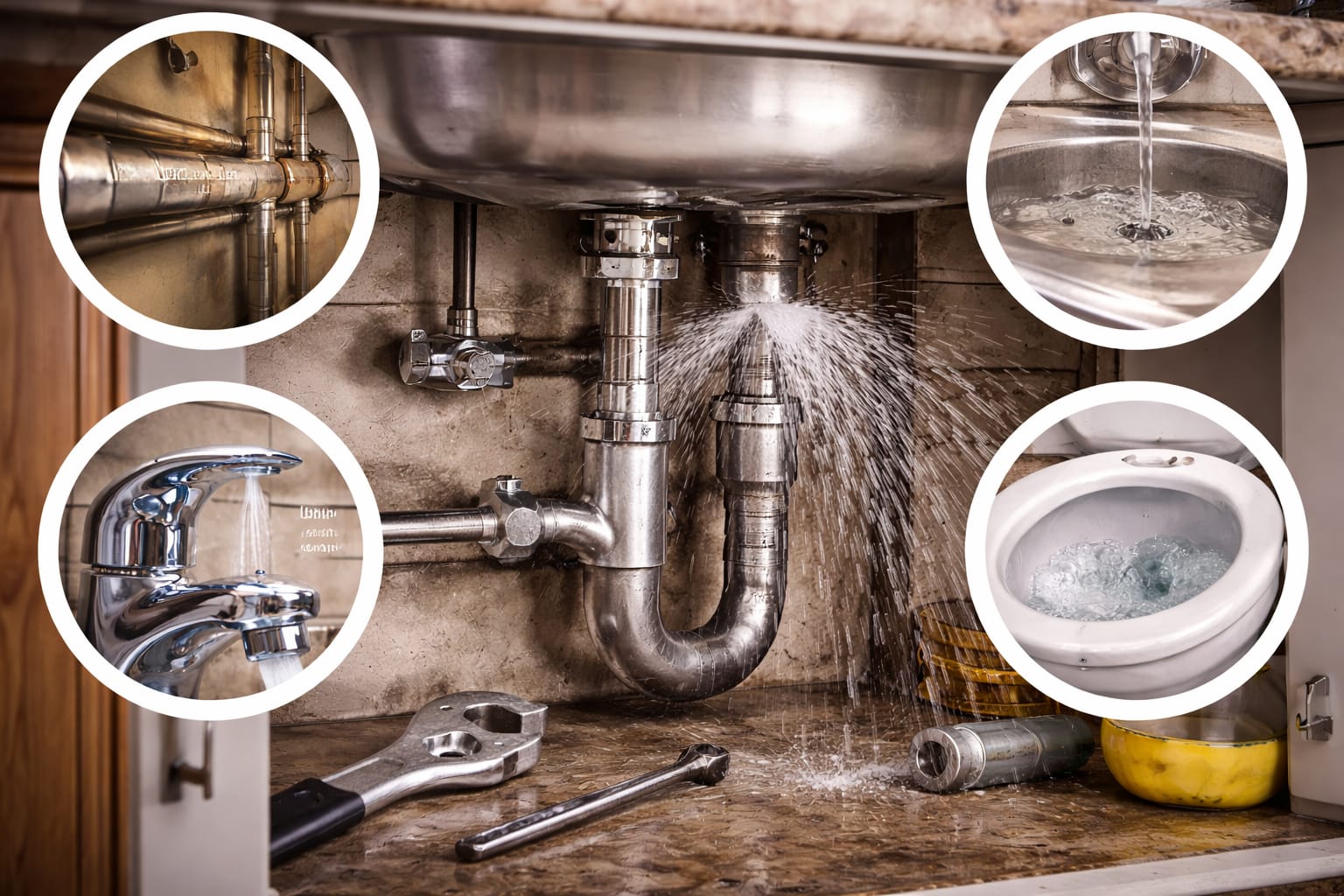
Properly functioning plumbing systems operate nearly silently. Water flows smoothly through supply lines, drains empty quietly, and fixtures function without attention-grabbing noise. When plumbing suddenly becomes audible—banging, gurgling, whistling, or rattling—these sounds signal developing problems requiring diagnosis and intervention.
Austin homeowners know that our hard water and mineral content can create unique plumbing challenges. Understanding the sounds your system makes is especially important in Central Texas, where mineral deposits can accelerate wear on pipes and fixtures.
Ignoring plumbing noises invites progressive damage. What begins as annoying sound often escalates into leaks, burst pipes, sewage backups, or fixture failures costing thousands in repairs and property damage. Early attention to unusual sounds prevents minor issues from becoming household emergencies.
At ABM Plumbing Company, we diagnose plumbing problems through multiple indicators including the characteristic sounds different failures produce. Understanding what specific noises mean helps homeowners recognize urgency levels and communicate effectively with plumbing professionals. Here's comprehensive guidance about common plumbing sounds and their underlying causes.
Water Hammer: Loud Banging and Knocking
Water hammer represents one of plumbing's most alarming and potentially damaging sounds—loud banging or knocking occurring when fixtures close, particularly noticeable after toilet flushes or when quickly shutting faucets.
What causes water hammer:
Water flowing through pipes carries substantial momentum. When valves close abruptly, this moving water column slams against suddenly closed valves creating shock waves propagating through piping systems.
These pressure waves—sometimes exceeding 200-300 PSI momentarily despite normal 50-60 PSI operating pressure—stress pipes, joints, and fixtures far beyond design specifications.
In homes without proper water hammer arrestors, these shock waves reflect off dead ends and closed valves creating characteristic banging sounds as pipes physically jump against mounting brackets and building framing.
Specific contributing factors:
Excessive water pressure: Systems operating above 60-70 PSI experience more severe water hammer as higher flow velocities create stronger momentum and more violent pressure spikes.
Pressure reducing valves (PRVs) malfunction allowing full street pressure (often 80-120 PSI) into homes dramatically worsening water hammer intensity.
Fast-closing valves: Modern quarter-turn ball valves and single-handle faucets close far more quickly than older compression faucets increasing water hammer severity.
Automatic valves in washing machines and dishwashers slam shut instantly when fill cycles complete creating particularly violent water hammer events.
Inadequate pipe support: Pipes mounted with insufficient brackets or supports physically jump and bang against framing when pressure waves pass through. Each impact stresses joints and eventually causes leaks.
Proper installations include pipe supports every 4-6 feet on horizontal runs and 6-10 feet on vertical runs. Missing or failed supports allow excessive movement amplifying noise and damage.
Missing arrestors: Water hammer arrestors—short vertical pipes with air chambers or mechanical dampeners—absorb shock waves preventing pressure spike transmission throughout systems.
Many older homes lack arrestors entirely while newer installations sometimes include inadequate arrestors undersized for actual water flow volumes.
Consequences if ignored:
Repeated water hammer stresses gradually weaken pipe joints, solder connections, and threaded fittings. Microscopic cracks develop slowly enlarging until sudden catastrophic failures flood homes.
Fixture internal components—cartridges, seals, washers—experience accelerated wear from shock loading reducing expected 10-15 year lifespans to 3-5 years.
Water heater tanks subjected to water hammer develop stress cracks and accelerated corrosion particularly at dip tubes and heat exchanger connections.
Solutions:
Installing water hammer arrestors at fixtures creating the problem (typically washing machines, dishwashers, and toilets) prevents shock wave propagation. Commercial arrestors cost $30-$80 each installed.
Reducing excessive system pressure through PRV installation or adjustment eliminates the high velocities causing severe water hammer.
Adding pipe supports prevents banging noises and reduces stress on connections though doesn't address underlying pressure wave problem.
Slow-closing valves on problematic fixtures reduce closure speed diminishing water hammer intensity though may not completely eliminate issues.
Gurgling Drains: Air Movement Problems
Gurgling sounds from drains—particularly noticeable during and after water drainage—indicate improper air flow through drainage systems creating vacuum conditions as water moves through pipes.
Understanding drain gurgling mechanics:
Properly vented drainage systems admit air behind flowing water preventing vacuum formation. This air admission allows smooth gravity-driven flow.
When venting inadequately serves drains or blockages restrict drainage, flowing water creates partial vacuum behind it. This vacuum pulls air through any available path—often through other fixture traps—creating characteristic gurgling sounds.
Common gurgling causes:
Partial drain clogs: Accumulations of hair, soap scum, grease, or debris create partial blockages allowing slow drainage while restricting air passage. Water squeezing past obstructions creates gurgling as air turbulently follows.
Kitchen sink gurgling often indicates grease accumulation in drain lines. Bathroom sink gurgling suggests hair and soap buildup in P-traps or branch drains.
Blocked or inadequate venting: Vent pipes allowing air admission into drainage systems sometimes become blocked by bird nests, leaves, ice formation, or construction debris.
Undersized vents insufficient for connected fixture drainage volumes create similar symptoms as complete blockages. Adding fixtures without correspondingly increasing vent capacity overloads systems.
Main sewer line problems: Gurgling affecting multiple fixtures simultaneously often indicates main sewer line issues—tree root intrusion, collapsed pipes, or severe blockages affecting entire drainage systems.
These serious problems require immediate professional attention preventing sewage backups into homes.
Improperly installed drainage: DIY plumbing additions lacking required venting gurgle constantly as improper design prevents adequate air admission regardless of drain cleanliness.
Seasonal effects:
Winter vent freezing in cold climates temporarily blocks air admission creating gurgling until thawing restores function.
Autumn leaf accumulation on roof vents similarly restricts air flow until removal.
Health and safety implications:
Gurgling indicates compromised trap seals. The same air movement causing gurgling sounds can pull water from P-traps eliminating sewer gas barriers.
Persistent gurgling accompanied by sewer odors indicates dangerous gas infiltration requiring immediate correction protecting household health.
Appropriate responses:
Gurgling in single fixtures suggests localized clogs or venting problems addressable through drain cleaning or individual vent inspection.
Multiple fixture gurgling indicates system-wide problems requiring professional diagnosis—often camera inspection identifying main line issues.
Suddenly developing gurgling following heavy rain suggests ground infiltration into sewer lines through cracks or failed joints overwhelming drainage capacity.
Whistling and Screeching: High-Frequency Noises
High-pitched whistling, squealing, or screeching sounds occurring during water flow indicate restrictions creating turbulent flow conditions at specific fixtures or system components.
Whistling sound mechanisms:
Water forced through restricted openings accelerates creating turbulent flow patterns. These rapid pressure fluctuations cause vibrations in pipe walls, fixture components, or valve parts producing audible frequencies.
The specific pitch and character vary based on restriction size, water pressure, and vibrating component mass and rigidity.
Common whistling sources:
Worn faucet washers: Compression faucets with deteriorating washers whistle as water squeezes past degraded rubber flowing turbulently into fixture bodies.
This problem worsens gradually as washers continue deteriorating until complete washer failure causes full leaks.
Toilet fill valve issues: Fill valves with worn diaphragms, damaged seals, or mineral deposits whistle during tank refilling. The noise stops once tanks fill completely and valves close.
Inexpensive fill valve replacement ($15-30 parts, $100-150 installed) eliminates these sounds restoring quiet operation.
Partially closed valves: Shutoff valves not fully opened restrict flow creating whistling throughout affected fixture branches.
This often occurs after plumbing service when technicians don't completely reopen valves after testing or repairs.
Mineral buildup in fixtures: Hard water mineral deposits accumulate in faucet aerators, showerheads, and valve bodies creating restrictions producing whistling as water flows through constricted passages.
Regular aerator cleaning and periodic descaling prevents this accumulation maintaining quiet efficient operation.
Pressure reducing valve problems: Failing PRVs sometimes generate whistling as internal components wear or debris lodges in valve mechanisms.
These failures often accompany pressure regulation issues creating multiple symptoms beyond just noise.
Corroded pipe interiors: Galvanized steel pipes in older homes develop internal corrosion tuberculation creating rough irregular surfaces producing whistling as water flows turbulently over projections.
This indicates advanced pipe deterioration often requiring replacement within 5-10 years as restrictions worsen.
Addressing whistling sounds:
Isolated fixture whistling usually resolves through component replacement—washers, fill valves, cartridges—at modest cost without extensive system work.
Whistling affecting entire home branches or appearing throughout the house indicates systemic problems requiring professional diagnosis determining whether pressure issues, pipe corrosion, or other factors cause the condition.
Rattling Pipes: Physical Movement and Vibration
Rattling or chattering sounds indicate loose pipes physically moving against mounting brackets, building framing, or each other when water flows or stops.
Why pipes rattle:
Plumbing systems experience forces during operation—water flow creates drag forces, pressure waves cause movement, and thermal expansion/contraction changes pipe dimensions.
Properly supported and secured pipes resist these forces remaining stationary despite operational stresses. Loose or inadequately supported pipes move freely creating rattling as they contact solid surfaces.
Contributing factors:
Insufficient mounting brackets: Pipes require supports at specific intervals based on material type and diameter. Missing or widely spaced supports allow sagging and movement.
Horizontal copper pipes need supports every 6-8 feet while PEX requires support every 32 inches due to flexibility differences.
Failed mounting hardware: Pipe hangers corrode, plastic straps become brittle, and mounting screws loosen over decades allowing pipes to shift positions.
Homes experiencing minor earthquakes or settlement may have numerous failed mountings requiring systematic inspection and repair.
Water hammer effects: Severe water hammer causes violent pipe movement even with adequate supports. The underlying water hammer requires correction rather than just adding supports.
Thermal expansion: Hot water pipes expand measurably during heating. Without accommodation for this expansion, pipes bind against fixed supports creating stress and rattling as they fight constraints.
Proper installations include expansion loops or sliding supports allowing thermal movement without noise or stress.
Consequences of rattling:
Physical pipe movement abrades connections gradually wearing threads, stressing solder joints, and fatiguing materials until leaks develop.
Constant vibration against framing wears through pipe walls at contact points creating pinhole leaks particularly in soft copper.
Noise transmission through building structures disturbs household activities particularly in sound-sensitive areas like bedrooms.
Appropriate remedies:
Adding supports at proper intervals eliminates most rattling by restricting pipe movement. Professional plumbers install appropriate mounting hardware ensuring code compliance.
Foam insulation around pipes prevents contact with framing while allowing minor movement without noise.
Addressing underlying water hammer through arrestor installation eliminates violent forces causing rattling despite adequate supports.
Humming and Vibrating: Pressure-Related Sounds
Low-frequency humming or vibrating sounds typically indicate pressure-related issues causing resonance in pipes, fixtures, or building structures.
Humming sound sources:
Excessive system pressure: High pressure (70+ PSI) causes increased flow velocities and turbulence throughout systems. This turbulent flow excites resonant frequencies in pipes creating audible humming.
The sound typically remains constant whenever water flows, distinguishing it from intermittent water hammer banging.
Pressure reducing valve resonance: PRVs sometimes hum as water flows through valve bodies. Internal components vibrate at specific flow rates creating characteristic humming transmitted through connected piping.
While annoying, PRV humming rarely indicates malfunction unless accompanied by pressure regulation failures.
Partially closed valves: Shutoff valves not fully opened create restrictions causing turbulent flow and resonant vibration in valve bodies and adjacent pipes.
This commonly occurs at main shutoff valves, water meter valves, or fixture supplies after service work.
Well pump cycling: Homes with well water systems may experience humming when pumps operate. This normal sound shouldn't cause concern unless pump cycling frequency increases indicating tank pressure problems or leaks.
Electric water heater elements: Electric heating elements in water heaters sometimes hum or vibrate during heating cycles as electrical current flows through resistance coils.
This represents normal operation though unusually loud humming may indicate element scale buildup or impending failure.
Addressing humming sounds:
Pressure testing determines whether excessive system pressure causes humming. PRV installation or adjustment reduces pressure eliminating resonance.
Fully opening partially closed valves immediately eliminates associated humming without repair costs.
PRV replacement resolves humming when actual valves generate noise though consider whether noise justifies replacement expense.
Bubbling Toilets: Drainage System Problems
Toilets bubbling during or after flushing, or when other fixtures drain, indicate air movement problems in drainage and venting systems.
Bubbling mechanisms:
Toilet traps maintain water seals preventing sewer gas entry. When drainage system air pressure fluctuates, these pressure changes cause trapped water to bubble and oscillate producing visible disturbance and sound.
These fluctuations indicate venting inadequacies or drainage restrictions affecting air movement through systems.
Common causes:
Main sewer line blockages: Partial obstructions in main sewer lines prevent air from escaping ahead of draining water. This trapped air seeks alternate escape routes—often bubbling through toilet traps as the path of least resistance.
Tree root intrusion represents the most common main line blockage gradually developing as roots infiltrate through joints and cracks.
Vent stack obstructions: Blocked roof vents prevent air admission into drainage systems. When upper-floor fixtures drain, negative pressure develops pulling air through lower-level toilet traps causing bubbling.
Improper vent sizing or placement: Undersized vents or improperly located vent connections create inadequate air flow. These design deficiencies cause chronic bubbling difficult to resolve without substantial drainage system modifications.
Wet venting issues: Modern space-saving wet vent designs using drain pipes for both waste conveyance and venting sometimes create bubbling if improperly sized or installed.
Septic system problems: Homes with septic systems experience toilet bubbling when drain fields fail or tanks fill beyond capacity restricting drainage and creating backpressure.
Urgency levels:
Single toilet bubbling during its own flush suggests localized venting issues—usually not urgent though should be addressed preventing progressive problems.
Toilet bubbling when other distant fixtures drain indicates main line or vent stack problems requiring prompt professional attention.
Multiple toilets bubbling simultaneously or sewage odors accompanying bubbling represent urgent situations requiring immediate professional service preventing potential sewage backups.
Appropriate responses:
Professional camera inspection of main sewer lines identifies blockage locations, root intrusion extent, and pipe condition guiding repair approaches.
Vent inspection from roof level determines whether obstructions block air admission requiring clearing.
Septic system evaluation including tank level checking and drain field assessment identifies capacity or failure issues.
Recognizing Urgent Versus Routine Sound Problems
Different plumbing sounds carry varying urgency levels from requiring immediate professional attention to scheduled service convenience.
Immediate attention required:
Loud repetitive water hammer accompanied by visible pipe movement or water leaks demands immediate intervention preventing catastrophic joint failures.
Multiple fixture gurgling with sewage odors indicates dangerous sewer gas infiltration and potential main line failure requiring urgent professional service.
Sudden sound development following plumbing work suggests installation problems or inadvertently created issues needing rapid correction.
Prompt attention recommended:
Persistent whistling or humming throughout homes indicates systemic pressure or restriction problems warranting professional diagnosis within days or weeks.
Single fixture gurgling continuing after drain cleaning attempts suggests venting problems requiring professional assessment.
Rattling developing gradually over months indicates failing supports or mounting hardware needing repair preventing future leaks.
Scheduled service appropriate:
Intermittent mild sounds occurring occasionally without worsening patterns can typically wait for convenient scheduled service.
Minor fill valve whistling in toilets during refilling represents maintenance need rather than urgent problem.
Seasonal sounds appearing during specific weather conditions and self-resolving merit observation but often don't require immediate intervention.
Professional Diagnostic Value
While homeowners can identify sounds and attempt basic troubleshooting, professional diagnosis often proves necessary determining root causes and appropriate solutions.
Advantages of professional sound diagnosis:
Licensed plumbers combine sound characteristics with system knowledge, diagnostic tools, and experience identifying precise failure locations and underlying causes.
Camera inspection of drain systems reveals blockages, root intrusion, and pipe deterioration invisible from surface observation.
Pressure testing equipment measures actual system pressures determining whether excessive pressure causes observed symptoms.
Acoustic leak detection technology locates hidden leaks causing subtle sounds homeowners notice but cannot source.
Preventive Measures Reducing Plumbing Sounds
Proactive maintenance and proper system design prevent many sound-generating plumbing problems.
Preventive strategies:
Annual professional plumbing inspections identify developing problems before sounds become obvious or damage occurs.
Water pressure regulation through PRV installation maintains proper pressure preventing water hammer, humming, and accelerated wear.
Regular drain maintenance prevents clog development that causes gurgling and flow restrictions.
Periodic pipe support inspection and repair maintains proper mounting preventing rattling and vibration.
Water heater maintenance including sediment flushing reduces mineral accumulation preventing element humming and deterioration.
Understanding Your Plumbing's Communication
Plumbing systems communicate problems through sound long before visible failures occur. Understanding these audio warnings helps homeowners respond appropriately protecting properties and preventing emergencies.
At ABM Plumbing Company, we diagnose plumbing sounds quickly through systematic evaluation combining experience, diagnostic tools, and comprehensive system knowledge. We'll identify exact causes and provide solutions appropriate for problem severity and your budget.
Unusual plumbing sounds in Austin homes often indicate fixable problems. Water hammer (loud bangs), hissing, whistling, and rumbling each have different causes. Learning to identify sounds helps you diagnose problems early and know when to call a professional plumber. Austin’s hard water accelerates some problems, making timely diagnosis even more important.
Frequently Asked Questions
What causes water hammer sounds in Austin plumbing?
Water hammer occurs when fast-closing valves suddenly stop water flow, creating pressure spikes. Symptoms: loud banging when you turn off a faucet or toilet. It’s annoying but usually not dangerous. Fix it by installing water hammer arrestors ($20-$50) or replacing fast-closing valves. Professional installation: $100-$300. These are common in older Austin homes.
What does a hissing sound in pipes mean?
Hissing usually indicates a small leak under pressure. The sound comes from water escaping through a crack or hole. It’s serious—call a plumber immediately. A small leak can waste hundreds of gallons and cause water damage. Professional leak detection: $200-$400. Repair depends on the location and severity.
Why does my water heater rumble in Austin?
Rumbling indicates sediment buildup in the tank. Austin’s water leaves heavy mineral deposits. The rumbling is heat pushing through the sediment layer. Flush your water heater immediately. If rumbling is severe, the tank may be failing. Professional inspection and flush: $150-$300. Delay and replacement may become necessary.
What are other plumbing sounds and what do they mean?
Whistling: worn washer in a faucet (fix: replace washer, $150-$300). Gurgling: air trapped in pipes or blocked vent (fix: vent inspection, $150-$400). Clicking: expanding pipes from temperature changes (usually harmless but check for leaks nearby). Get professional assessment for any persistent unusual sounds.
Don't ignore your plumbing's warnings. Contact ABM Plumbing Company when unusual sounds develop. We'll determine what's causing the noise and ensure your plumbing operates quietly and reliably for years to come.
About the Author
Byron D Smith is a Responsible Master Plumber at ABM Plumbing Company of Central Texas. Licensed Texas Master Plumber serving Central Texas. Byron holds Texas Master Plumber License #45625 with the Responsible Master Plumber endorsement and oversees all plumbing work performed by ABM Plumbing.
Need Professional Plumbing Help?
Contact ABM Plumbing Company for expert service in Austin, Round Rock, Cedar Park, Georgetown, Pflugerville and surrounding areas.
Get a Free Quote