Slow Drain Causes and Solutions
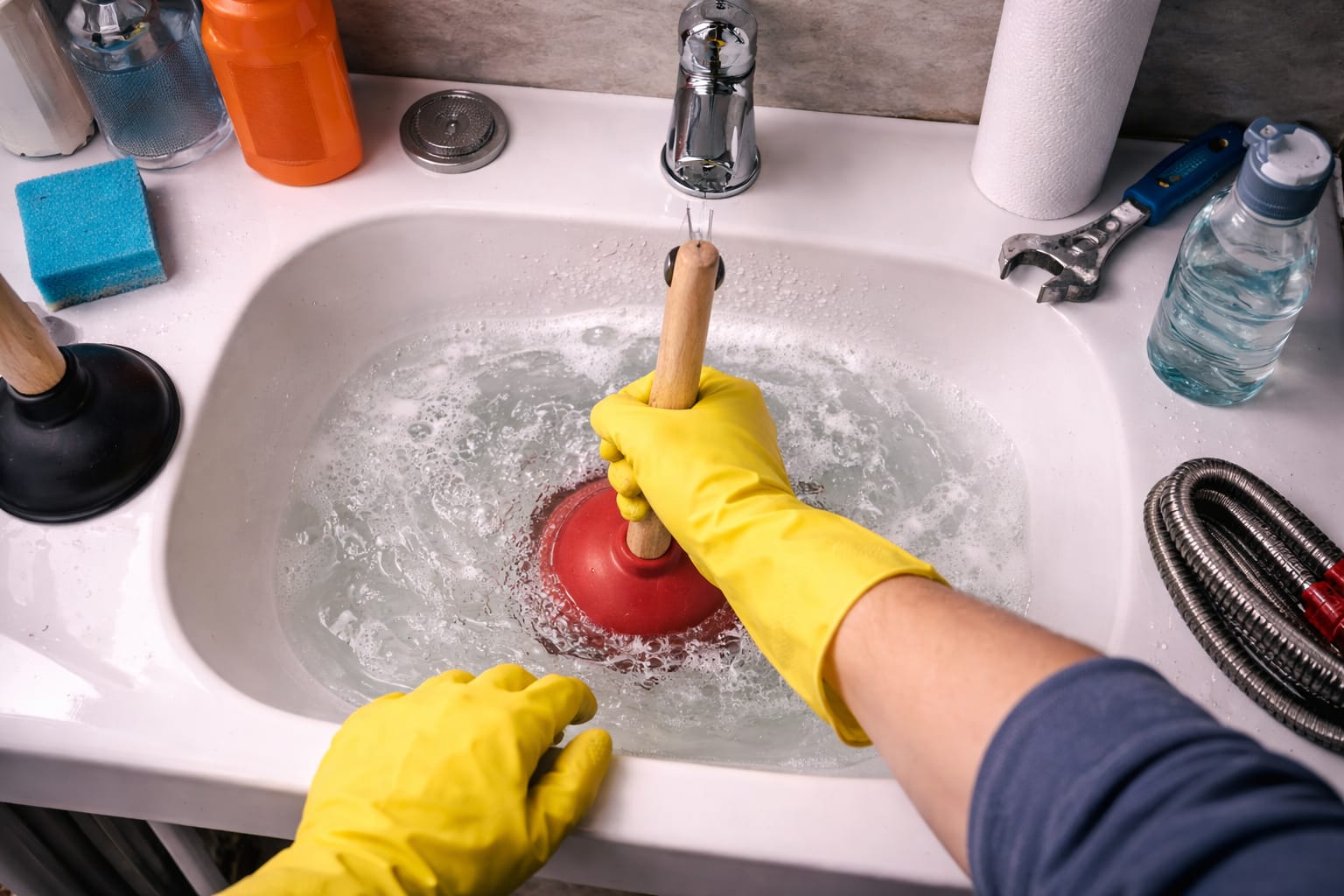
A slow drain is one of the most common plumbing complaints and one of the easiest problems to ignore in homes throughout Austin and Central Texas. When water eventually goes down, it’s tempting to assume it’s not serious. In reality, slow drains are usually an early warning sign of a developing blockage or system issue.
Understanding why drains slow down and how to address the problem early can help prevent full clogs, sewage backups, and costly repairs. This guide explains the most common causes of slow drains and the best ways to deal with them.
How Slow Drains Develop
Most slow drains don’t happen overnight. They form gradually as materials build up along the inside walls of pipes. Over time, this buildup narrows the pipe opening, restricting water flow.
The location of the slow drain matters. A single slow fixture usually points to a localized issue, while multiple slow drains often indicate a larger problem in the main drain or sewer line.
Hair and Soap Buildup
In bathrooms, hair and soap residue are the most common causes of slow drains.
Hair easily catches inside pipes, especially near drain openings and traps. Soap combines with minerals in the water to create a sticky residue that traps hair and debris. Over time, this mixture hardens and restricts flow.
This type of buildup usually affects sinks, tubs, and showers first and often worsens gradually.
Grease and Food Residue
Kitchen drains slow down primarily due to grease and food particles.
Grease may go down the drain as a liquid, but it cools and solidifies inside pipes. As it builds up, it traps food scraps and debris, forming stubborn blockages that are difficult to remove.
Even small amounts of grease over time can significantly reduce pipe diameter and cause persistent slow drainage.
Mineral Buildup in Pipes
In areas with hard water, mineral deposits can accumulate inside pipes.
Calcium and magnesium gradually coat pipe walls, narrowing the passage for water. This buildup can occur even when drains are used properly and kept relatively clean.
Mineral buildup is more common in older plumbing systems and can affect both drains and water supply lines.
Improper Venting
Plumbing systems rely on vent pipes to regulate air pressure and allow wastewater to flow smoothly.
If a vent pipe is blocked or improperly installed, air cannot move freely through the system. This can cause water to drain slowly, gurgle, or back up.
Vent issues often affect multiple fixtures and may be accompanied by bubbling sounds or sewer odors.
Partial Pipe Obstructions
Sometimes slow drains are caused by partial blockages deeper in the system.
These obstructions may include accumulated debris, foreign objects, or pipe damage. Because water can still pass through, the problem may appear minor at first but often worsens over time.
Recurring slow drains in the same area are a common sign of partial obstructions.
Tree Roots in Sewer Lines
When slow drains affect multiple fixtures or worsen after heavy use, tree roots may be involved.
Roots are attracted to moisture and can infiltrate small cracks or joints in sewer lines. Once inside, they grow and trap waste, restricting flow.
Root intrusion is a serious issue that typically requires professional inspection and repair.
Why Chemical Drain Cleaners Are Not a Long-Term Solution
Chemical drain cleaners are often used to treat slow drains, but they rarely address the root cause.
These products may temporarily clear small openings but often leave residue behind. Over time, repeated use can damage pipes, especially in older plumbing systems.
Relying on chemicals can turn a manageable slow drain into a more expensive repair later.
Practical Solutions for Slow Drains
Early action is the most effective solution.
Removing visible hair and debris from drain openings and stoppers can significantly improve flow. Using strainers helps prevent future buildup.
For grease-related issues, changing disposal habits is critical. Avoid pouring grease down drains and scrape food waste into the trash before rinsing dishes.
If mineral buildup is suspected, professional descaling may be needed to restore proper pipe diameter.
Vent and sewer-related issues typically require inspection with specialized tools to identify and resolve the problem safely.
When a Slow Drain Signals a Bigger Problem
A slow drain should never be ignored if it worsens, returns frequently, or affects multiple fixtures.
These signs often indicate deeper system issues that will not resolve on their own. Addressing the problem early helps prevent full blockages, water damage, and health risks associated with backups.
Keeping Drains Flowing Long-Term
Consistent maintenance and awareness go a long way in preventing slow drains. If slow drainage keeps returning or you suspect a larger issue, ABM Plumbing Company can inspect your system and provide clear, long-term solutions. Fixing the cause early protects your plumbing and helps avoid emergency situations later on.
Slow drains are one of the most common plumbing issues Austin homeowners face. Central Texas’s hard water, at , leaves mineral deposits that gradually narrow pipe interiors. Combined with Austin’s expansive clay soil, which shifts and stresses underground pipes, slow drains often signal deeper issues. Whether you live in Hyde Park, Zilker, or Round Rock, understanding what causes slow drains can help you address problems before they become emergencies.
Frequently Asked Questions
How much does drain cleaning cost in Austin?
In the Austin area, professional drain cleaning typically ranges from $150 to $450 depending on the severity and location of the clog. Main sewer line cleaning runs $90 to $1,000. ABM Plumbing Company provides upfront pricing for Central Texas homeowners. Call (512) 620-8200.
What causes slow drains in Austin homes?
Austin’s hard water (184 PPM) accelerates mineral buildup inside pipes, narrowing the diameter over time. Combined with grease, hair, and soap residue, this creates stubborn clogs. Older homes in South Congress, East Austin, and Barton Hills with original cast iron or clay tile pipes are especially vulnerable.
When should I call a plumber for a slow drain?
Call a professional plumber if multiple drains are slow simultaneously, if you notice sewage odors, or if DIY methods like plunging and drain cleaner don’t resolve the issue within 24 hours. These symptoms may indicate a main line problem requiring professional diagnosis.
Can hard water cause drain problems?
Yes. Austin’s very hard water leaves calcium and mineral deposits inside pipes, gradually reducing flow. Annual professional drain maintenance helps prevent buildup and keeps drains flowing freely.
Serving Central Texas, TX. Call ABM Plumbing Company at (512) 620-8200 for professional drain cleaning and plumbing solutions.
About the Author
Byron D Smith is a Responsible Master Plumber at ABM Plumbing Company of Central Texas. Licensed Texas Master Plumber serving Central Texas. Byron holds Texas Master Plumber License #45625 with the Responsible Master Plumber endorsement and oversees all plumbing work performed by ABM Plumbing.
Need Professional Plumbing Help?
Contact ABM Plumbing Company for expert service in Austin, Round Rock, Cedar Park, Georgetown, Pflugerville and surrounding areas.
Get a Free Quote