Why Is My Water Heater Making Noise
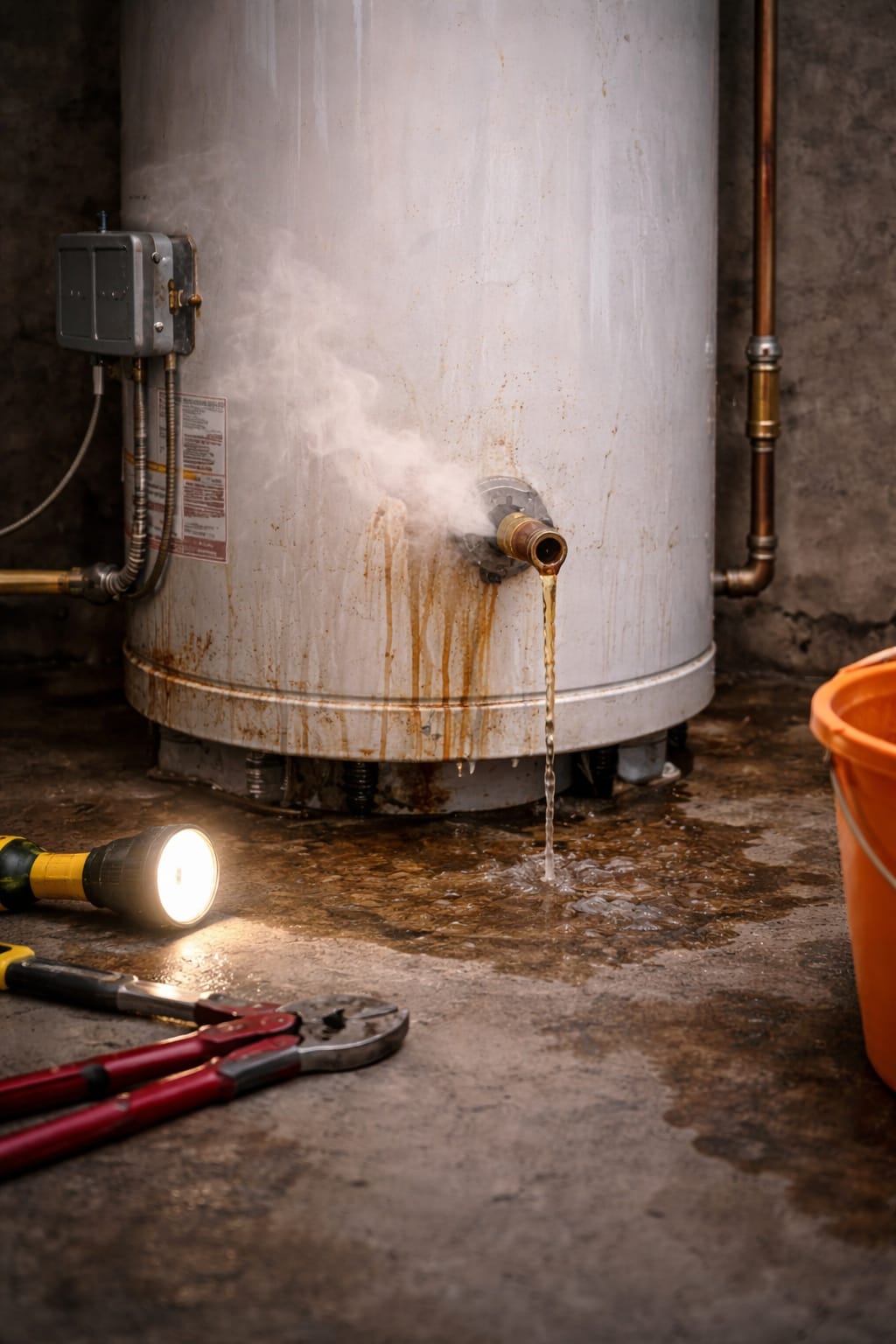
A water heater is not completely silent, but it shouldn’t be loud or disruptive. When popping, banging, rumbling, or hissing noises start coming from the tank, it’s usually a sign that something inside the system has changed.
Most water heater noises are warnings rather than emergencies. Understanding what those sounds mean can help you decide whether the issue is minor, needs maintenance, or signals a larger problem that shouldn’t be ignored.
Normal vs. Abnormal Water Heater Sounds
Some sounds are part of normal operation. Light humming from electric units or a soft burner sound from gas heaters is expected.
Noises become concerning when they are new, louder than usual, or persistent. Sudden changes in sound often indicate buildup, pressure changes, or component wear.
Paying attention to when the noise occurs can help narrow down the cause.
Popping or Rumbling Sounds
Popping or rumbling is one of the most common complaints and is usually caused by sediment buildup at the bottom of the tank.
Over time, minerals in the water settle and harden into a layer of sediment. When the burner or heating element heats the water, trapped water beneath the sediment flashes into steam and escapes, creating popping or rumbling noises.
This issue is more common in areas with hard water like Austin, where mineral content is high, and in older water heaters that haven't been flushed regularly.
Banging or Knocking Noises
Banging or knocking sounds can come from a few different sources.
Inside the tank, heavy sediment chunks can shift as water heats and cools. In plumbing lines, banging may be caused by pressure changes or water hammer, where fast-moving water suddenly stops and sends shockwaves through the pipes.
If the noise happens when fixtures are turned on or off, it may be related to plumbing pressure rather than the water heater itself.
Hissing or Sizzling Sounds
Hissing or sizzling often occurs when water comes into contact with something hot where it shouldn’t.
This can happen if there is a small leak dripping onto a hot surface or if condensation forms and evaporates quickly. In some cases, it may be related to the temperature and pressure relief valve releasing small amounts of water.
While occasional hissing may not be serious, frequent or loud hissing should be investigated.
Clicking Sounds
Clicking is common in electric water heaters and is usually caused by heating elements cycling on and off. This can also happen as pipes expand and contract with temperature changes.
Occasional clicking is generally normal, especially during heating cycles. If clicking becomes constant or is accompanied by performance issues, it may indicate electrical or thermostat problems.
Whining or High-Pitched Noises
High-pitched or whining sounds are often related to water pressure or restricted flow.
These noises may come from valves, fittings, or the temperature and pressure relief valve reacting to pressure changes. Excessively high water pressure can put stress on the water heater and the rest of the plumbing system.
Pressure-related noises should not be ignored, as they can lead to leaks or component failure over time.
How Age and Maintenance Affect Noise
Older water heaters are more likely to make noise due to years of sediment buildup and component wear. Units that have not been flushed regularly tend to accumulate thicker sediment layers, increasing noise and reducing efficiency.
Routine maintenance, especially tank flushing, helps minimize noise and extend the life of the system. When maintenance has been skipped for years, noise is often one of the first noticeable symptoms.
When Noise Means Action Is Needed
Not every noise means immediate repair, but some situations call for prompt attention.
If noises are getting louder, occurring more frequently, or are combined with inconsistent water temperature, reduced hot water supply, leaks, or discolored water, it’s time to take the issue seriously.
Ignoring warning sounds can lead to higher energy use, shortened lifespan, or sudden failure.
Can Noise Damage the Water Heater?
Yes, prolonged noise often indicates conditions that strain the system.
Sediment buildup forces heating elements or burners to work harder, increasing wear and energy costs. Pressure-related issues can stress valves and fittings. Over time, these problems can lead to leaks or tank damage.
Addressing the cause early is far less costly than waiting for a breakdown.
Reducing and Preventing Water Heater Noise
Regular maintenance is the most effective way to keep a water heater quiet.
Flushing the tank periodically removes sediment before it hardens. Monitoring water pressure and addressing valve issues early also helps reduce strain on the system.
If noise appears suddenly in a previously quiet unit, it’s a sign something has changed and should be evaluated.
Getting Clarity on Water Heater Noises
Water heater noise in Austin usually indicates sediment buildup from our hard water. Rumbling, popping, or crackling sounds are signs of mineral deposits in the tank. This isn’t just annoying—it reduces efficiency and can damage the tank.
Frequently Asked Questions
What causes water heater noise in Austin?
Sediment from our hard water settles in the tank. Heat creates bubbles and pockets in the sediment layer. As water moves through the sediment, it causes rumbling, popping, or crackling sounds. It’s a sign your heater needs flushing (ideally every 6 months).
Is noisy water heater dangerous?
The noise itself isn’t dangerous, but it indicates a problem needing attention. Excessive sediment reduces efficiency, increases energy bills, and can damage the tank. If left too long, the tank may develop leaks or fail suddenly. Flush the heater at first sign of noise.
How do I fix a noisy water heater in Austin?
Professional flushing: $150-$300. If the heater is older (10+ years) and noisy, replacement may be better long-term. A 6-month maintenance schedule prevents noise. Don’t ignore noise; address it promptly to extend heater life.
Can I prevent water heater noise?
Yes. Flush every 6 months in Austin to prevent sediment accumulation. Install a softener or water filter to reduce minerals entering the tank. Maintain 120°F temperature. These steps keep your heater quiet and efficient for its full life.
Water heater noises are your system’s way of signaling that something needs attention. If you’re unsure what a sound means or whether it’s a cause for concern, ABM Plumbing Company of Central Texas can inspect your water heater and identify the source of the noise. Serving Central Texas, we’re here to help. Call (512) 620-8200 for a professional assessment. Understanding the problem early helps protect your system, your energy costs, and your peace of mind.
About the Author
Byron D Smith is a Responsible Master Plumber at ABM Plumbing Company of Central Texas. Licensed Texas Master Plumber serving Central Texas. Byron holds Texas Master Plumber License #45625 with the Responsible Master Plumber endorsement and oversees all plumbing work performed by ABM Plumbing.
Need Professional Plumbing Help?
Contact ABM Plumbing Company for expert service in Austin, Round Rock, Cedar Park, Georgetown, Pflugerville and surrounding areas.
Get a Free Quote