When DIY Plumbing Goes Wrong | Common Mistakes and What to Do Next
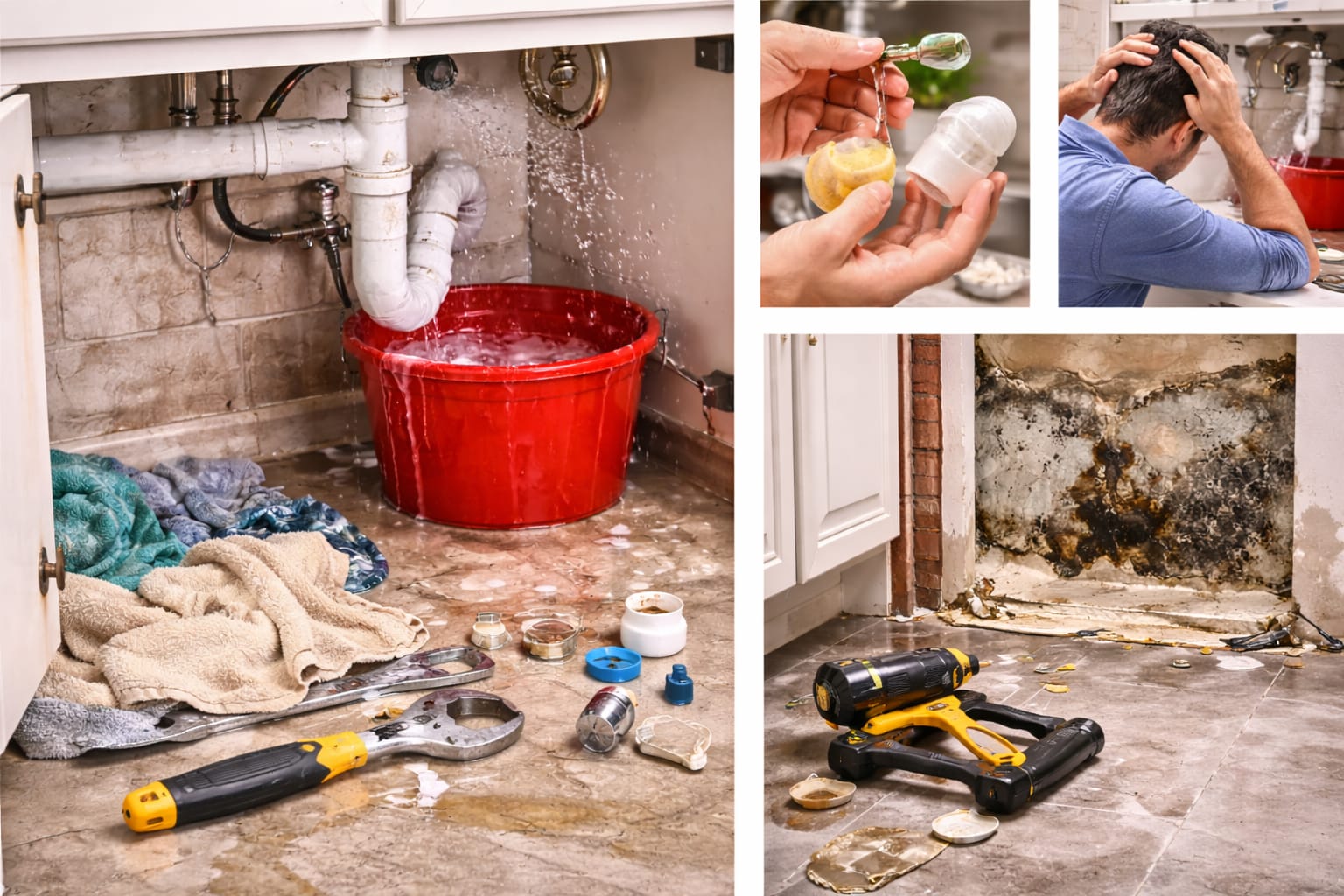
DIY plumbing repairs can seem straightforward with online tutorials and readily available parts at hardware stores. While minor fixes like replacing a faucet aerator or tightening a loose connection are often manageable, more complex repairs frequently lead to costly problems.
At ABM Plumbing Company, our licensed technicians regularly repair damage from well-intentioned DIY attempts. Based on over over 15 years of experience serving Central Texas, here's what typically goes wrong and how to address these issues.
The Most Common DIY Plumbing Mistakes We See
Using Incompatible Parts or Materials
Not all plumbing components work together. Common issues include:
-
Connecting copper pipes directly to galvanized steel without a dielectric union, causing rapid corrosion
-
Using PVC cement on CPVC pipes, leading to joint failure
-
Selecting the wrong pipe diameter, creating pressure problems throughout your system
-
Applying plumber's putty where silicone caulk is required, resulting in leaks
Our technicians' advice: Always bring your old part to the hardware store and verify compatibility before purchasing replacements.
Overtightening Connections
Many homeowners believe tighter connections prevent leaks. This misconception causes significant damage:
-
Cracked plastic fittings and compression rings
-
Stripped threads that can't maintain a seal
-
Damaged pipe walls that develop slow leaks inside walls
Most connections only need to be "hand tight plus a quarter turn" with a wrench. The seal comes from washers and gaskets, not excessive force.
Misusing Chemical Drain Cleaners
While chemical drain cleaners provide temporary relief, they create long-term problems:
-
Corroded metal pipes, particularly in homes built before 1980
-
Damaged PVC joints and seals
-
Pipe bursts when chemicals generate excessive heat
-
Environmental contamination when chemicals enter septic systems
Professional plumbers use mechanical methods (augers and hydro-jetting) that clear clogs without damaging pipes.
Ignoring Plumbing Venting Requirements
Every drain system requires proper venting to function correctly. DIY projects often overlook this critical component, resulting in:
-
Slow-draining sinks and tubs
-
Gurgling sounds from drains
-
Sewer gas odors inside your home
-
Dry P-traps that allow dangerous gases indoors
Venting problems violate building codes and can pose health risks to your family.
Skipping Required Permits and Inspections
Many plumbing repairs legally require permits, including:
-
Water heater installations or replacements
-
Repiping projects
-
New fixture installations in remodels
-
Main water line repairs
Working without proper permits can result in:
-
Fines from local building departments
-
Complications during home sales requiring expensive corrections
-
Homeowner's insurance claims being denied
-
Safety hazards from uninspected work
Warning Signs Your DIY Repair Has Failed
Stop using the plumbing system and contact a licensed plumber immediately if you notice:
-
Persistent leaks: Even small drips indicate failing connections that will worsen
-
Water stains or bubbling paint: Signs of water damage inside walls or ceilings
-
Mold or mildew odors: Indicates hidden moisture and potential health hazards
-
Gurgling drains: Suggests venting problems or partial blockages
-
Sudden water pressure drops: May indicate pipe damage or improper sizing
These symptoms often point to problems spreading beyond the original repair site.
Why DIY Plumbing Mistakes Become Expensive
Your home's plumbing operates as an interconnected system. A seemingly isolated mistake under a kitchen sink can:
-
Cause water damage to cabinetry and flooring
-
Seep into wall cavities, promoting mold growth
-
Damage structural framing if left unaddressed
-
Create electrical hazards if water reaches wiring
-
Require demolition of finished surfaces for proper repairs
According to insurance industry data, water damage from plumbing failures is one of the most common and expensive homeowner claims. What begins as a $20 DIY attempt can quickly escalate into thousands of dollars in restoration costs.
Immediate Steps When a DIY Repair Fails
If your plumbing project isn't working as expected:
-
Shut off the water supply: Turn off the fixture shutoff valve or your home's main water valve
-
Stop using the affected fixture: Prevent additional water damage
-
Remove standing water: Use towels and a wet/dry vacuum to minimize damage
-
Document the problem: Take photos for insurance purposes if damage is significant
-
Contact a licensed plumber: Professional assessment prevents further deterioration
Taking quick action limits damage and reduces overall repair costs.
Plumbing Projects That Always Require Professional Help
Based on our experience, these repairs should always be handled by licensed plumbers:
-
Pipe replacements: Requires proper materials, soldering or joining techniques, and code compliance
-
Water heater repairs or installations: Involves gas lines or high-voltage electrical connections with serious safety implications
-
Sewer line issues: Requires specialized equipment and knowledge of municipal systems
-
Whole-home repiping: Complex project affecting your entire plumbing system
-
Remodel plumbing: Must meet current building codes and integrate with existing systems
Attempting these projects without proper training, tools, and permits puts your home and family at risk.
When to Call ABM Plumbing Company
DIY repairs make sense for simple tasks like replacing washers or unclogging drains with a plunger. When projects become complicated or repairs fail, professional expertise protects your investment.
Our licensed plumbers bring:
-
Up-to-date knowledge of local building codes
-
Specialized tools and diagnostic equipment
-
Guaranteed workmanship
-
Proper licensing and insurance protection
DIY plumbing mistakes can be expensive to fix. Common Austin errors include overtightening fittings (cracks them), using wrong thread tape (causes leaks), snaking main lines improperly (breaks roots further), and ignoring pressure issues. Understanding when to call a professional saves money and prevents water damage. ABM Plumbing repairs DIY mistakes frequently.
Frequently Asked Questions
What’s the most common DIY plumbing mistake Austin homeowners make?
Overtightening connections, thinking tighter means better sealing. This cracks fittings and causes new leaks. Second: using wrong tape or not using tape on threaded connections. Third: attempting main line work (main line snake work requires expertise; wrong technique breaks roots into smaller pieces, making problems worse). Call a pro for these.
What should I do if my DIY repair failed?
Stop immediately. Don’t attempt another fix; you may worsen the problem. Call a plumber to assess. Document what you tried so the professional understands the situation. DIY failures sometimes cost more to fix than hiring a pro initially. ABM Plumbing fixes DIY mistakes regularly. Call (512) 620-8200.
Can I fix my own water leak in Austin?
Simple leaks (dripping faucet, under-sink leak) are good DIY targets. Get a bucket, close the shut-off valve, and identify the leak source. Most are washers or cartridges (replacements cost $10-$50). If the leak is underground, in the main line, or you can’t locate it, call a pro. Main line leaks need professional camera work.
What’s the cost difference between DIY and professional repair?
A simple DIY fix costs $10-$50 in parts. If it fails and needs professional repair, the pro may charge $300-$600 to fix the original problem plus your mistake. Professional repair of same issue: $150-$300. DIY can save 50% if successful, but failure doubles the cost. Know your limits.
If a DIY plumbing project isn't working out, contact ABM Plumbing Company for prompt, reliable service.
About the Author
Byron D Smith is a Responsible Master Plumber at ABM Plumbing Company of Central Texas. Licensed Texas Master Plumber serving Central Texas. Byron holds Texas Master Plumber License #45625 with the Responsible Master Plumber endorsement and oversees all plumbing work performed by ABM Plumbing.
Need Professional Plumbing Help?
Contact ABM Plumbing Company for expert service in Austin, Round Rock, Cedar Park, Georgetown, Pflugerville and surrounding areas.
Get a Free Quote