YouTube Plumbing Advice: What to Trust (and What to Avoid)
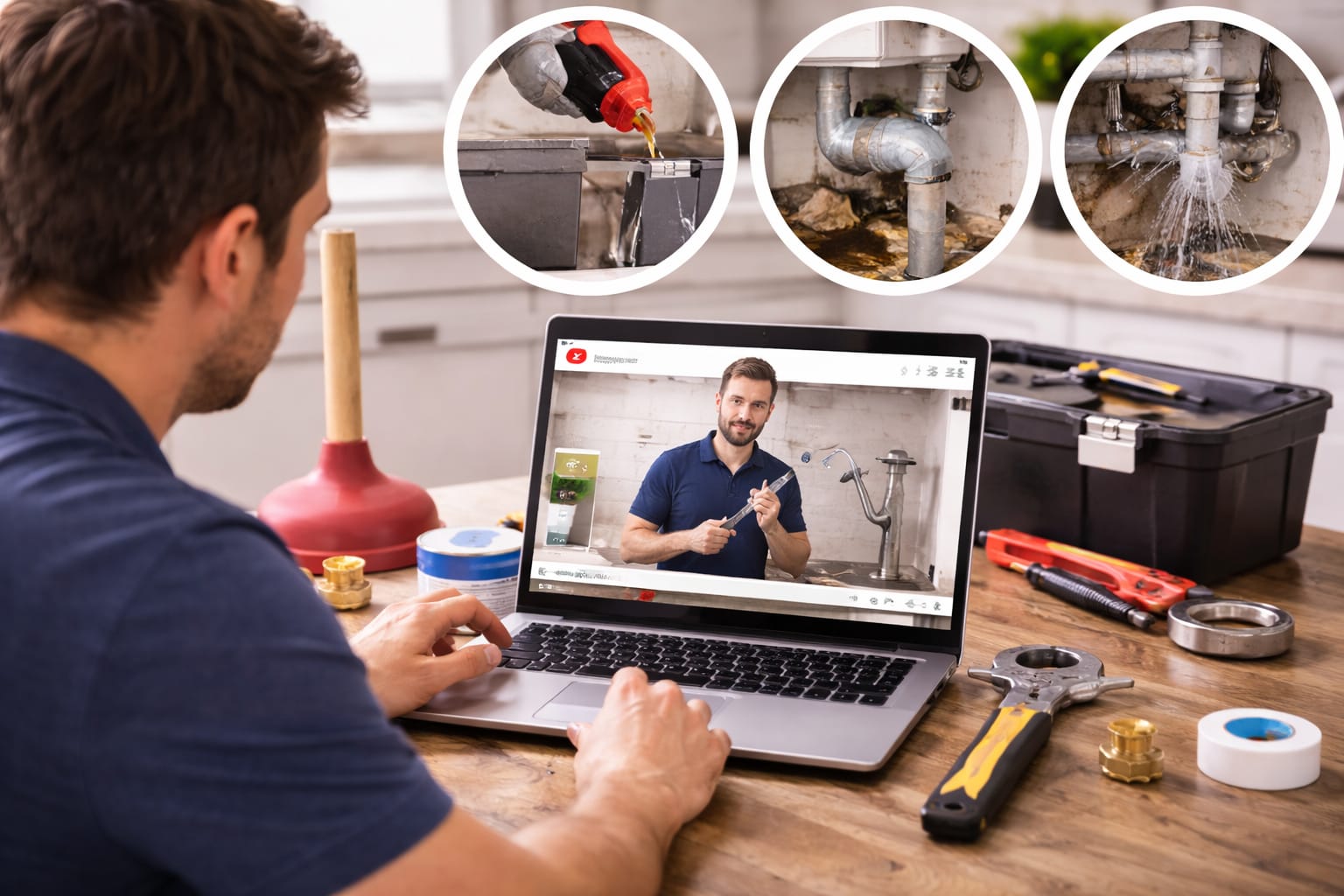
YouTube hosts over 100,000 plumbing-related videos, making it one of the most popular resources for homeowners researching repairs. The platform's accessibility and visual format make complex tasks appear deceptively simple. A compelling five-minute video can convince viewers that intricate plumbing repairs require nothing more than basic tools and confidence.
At ABM Plumbing Company, our licensed plumbers regularly repair damage caused by following well-intentioned but flawed online advice. While many YouTube creators provide valuable education, the platform's open nature means inaccurate and potentially dangerous information sits alongside expert guidance with no clear way to distinguish between them.
Understanding which advice to trust protects your home and your budget.
The Value of Quality Plumbing Content
Dismissing all online plumbing advice overlooks genuinely helpful educational content created by experienced professionals. Many licensed plumbers, master tradespeople, and plumbing educators use YouTube to share decades of accumulated knowledge.
High-quality plumbing videos provide:
Educational context about how residential plumbing systems function, including supply lines, drain-waste-vent systems, and fixture connections. Understanding these fundamentals helps homeowners identify problems accurately and communicate effectively with professionals.
Visual demonstrations of proper techniques that written instructions cannot convey adequately. Seeing correct tool positioning, appropriate force levels, and step-by-step processes builds understanding that static images cannot match.
Diagnostic guidance helping homeowners determine whether problems require immediate professional intervention or can wait for scheduled service. This knowledge prevents both unnecessary emergency calls and dangerous delays.
Maintenance procedures that extend plumbing system lifespan, such as water heater flushing, aerator cleaning, and drain care. Regular maintenance prevents many common failures that require expensive repairs.
These resources empower homeowners to make informed decisions about their plumbing rather than encouraging risky DIY attempts.
Safe DIY Tasks Appropriate for Homeowners
Certain plumbing maintenance and simple repairs involve minimal risk when performed correctly. YouTube videos covering these topics typically provide reliable value for homeowners.
Low-risk plumbing tasks:
Replacing fixture components: Showerheads, faucet aerators, and toilet flappers attach with simple threaded or clip-on connections. These repairs require no soldering, pipe cutting, or system modifications. Even mistakes rarely cause significant damage.
Basic drain clearing: Proper plunger technique for toilets and sinks solves many common clogs without chemicals or tools that might damage pipes. Videos demonstrating correct plunger positioning and pressure application help homeowners resolve problems independently.
Emergency water shutoff: Knowing your main shutoff valve location and operation stops catastrophic flooding during pipe failures or fixture problems. This knowledge can save thousands in water damage before professionals arrive.
Filter maintenance: Whole-house water filters, sediment screens, and aerator cleaning involve straightforward disassembly and reassembly without permanent system changes.
Supply line inspection: Learning to spot bulging hoses, corrosion, and loose connections helps identify problems before failures occur. Early detection prevents water damage and allows scheduled repairs rather than emergencies.
Videos addressing these topics should emphasize safety, proper tool selection, and clear indicators for when professional help becomes necessary.
Identifying Credible Plumbing Content Creators
The challenge with YouTube content lies in distinguishing expert advice from confident amateurs. Certain characteristics indicate reliable sources worth trusting.
Markers of credible plumbing content:
Professional credentials: Licensed plumbers, master plumbers, and certified trainers typically mention their qualifications. Look for references to state licensing, trade organization memberships, or years of professional experience.
Appropriate disclaimers: Responsible creators acknowledge limitations of video instruction, remind viewers about permit requirements, and encourage professional consultation for complex projects.
Safety emphasis: Quality content prioritizes safety procedures including water shutoffs, proper ventilation when using chemicals, and eye protection during repairs.
Realistic time and difficulty estimates: Experienced professionals understand that "simple" repairs often become complicated. Credible videos acknowledge potential complications rather than guaranteeing quick success.
Code awareness: References to local building codes, permit requirements, and inspection processes indicate creators who understand legal and safety requirements.
Equipment recommendations: Professionals specify appropriate tools rather than encouraging improvisation with household items.
Channels demonstrating these characteristics generally provide reliable information based on extensive field experience.
Warning Signs of Problematic Plumbing Advice
Certain video characteristics signal potentially dangerous or misleading content that homeowners should approach with extreme caution or avoid entirely.
Red flags indicating unreliable content:
"Permanent fix" promises: Legitimate plumbing repairs depend on proper diagnosis, appropriate materials, and correct techniques. No single solution works for every situation. Videos claiming universal fixes typically oversimplify complex problems.
Skipped safety procedures: Failing to demonstrate water shutoff, pressure relief, or protective equipment suggests creators prioritizing entertainment over safety.
Improvised materials: Videos showing duct tape, epoxy putty, or household items as plumbing repairs demonstrate fundamental misunderstanding of system requirements. These "solutions" fail quickly and often cause additional damage.
Code violations: Advice that bypasses venting requirements, omits shutoff valves, uses unapproved materials, or suggests unpermitted work creates liability and safety issues. Some jurisdictions impose fines for unpermitted plumbing work.
Oversimplified explanations: Plumbing involves physics, chemistry, and engineering principles. Videos that skip explaining why procedures matter rather than just how to perform them leave viewers unprepared for complications.
Chemical solution over-reliance: Heavy promotion of chemical drain cleaners, particularly for recurring clogs, indicates lack of understanding about proper drain maintenance and potential pipe damage.
Aggressive tool use: Videos showing excessive force, makeshift leverage, or improper tool applications demonstrate poor technique that damages fixtures and pipes.
These warning signs indicate content created by individuals lacking professional training or experience with real-world consequences of improper repairs.
Why Generic Advice Fails Individual Situations
YouTube's fundamental limitation as a repair resource stems from its one-size-fits-all nature. Residential plumbing varies dramatically based on factors that video creators cannot see in your specific home.
Critical variables affecting repair approaches:
Pipe materials and age: Techniques safe for modern PEX or CPVC pipes can shatter brittle galvanized steel or corroded copper in older homes. Cast iron drain pipes from the 1950s require completely different handling than modern PVC installations.
Water pressure variations: Municipal water pressure ranges from 40 PSI to over 100 PSI. Repairs and product selections must account for your specific pressure conditions. Excessive pressure accelerates fixture wear and causes premature failures.
Local building codes: Plumbing codes vary by jurisdiction, with some regions maintaining stricter requirements than others. Work legal in one location violates codes elsewhere, creating liability during home sales or insurance claims.
System interconnections: Your plumbing operates as an integrated network. Changes to one component affect pressures, drainage, and venting throughout the system. Videos focusing on isolated fixtures cannot account for these relationships.
Hidden conditions: Water damage, corrosion, and structural issues behind walls only become apparent during repairs. Videos cannot prepare viewers for these common discoveries that change project scope significantly.
Foundation types: Repairs in homes with crawl spaces differ substantially from those built on concrete slabs. Access difficulties, freeze protection requirements, and repair approaches vary accordingly.
A video showing a straightforward faucet replacement doesn't reveal that your specific installation uses proprietary parts, obsolete connections, or corroded supply lines requiring additional work.
Common Consequences of Following Bad Advice
Our service calls frequently involve correcting damage from YouTube-inspired DIY attempts. Understanding common failure patterns helps homeowners recognize when they're heading toward problems.
Typical DIY disasters we encounter:
Chemical drain cleaner damage: Repeated use of caustic chemicals corrodes metal pipes, softens PVC joints, and kills beneficial bacteria in septic systems. The temporary relief these products provide often masks persistent clogs while degrading pipes internally.
Over-tightened connections: Videos rarely convey proper torque levels. Homeowners instinctively tighten connections excessively, cracking plastic fittings, stripping threads, and damaging compression rings. These failures often occur weeks after initial installation when stress cracks finally separate.
Incompatible material mixing: Connecting copper pipes directly to galvanized steel without dielectric unions creates galvanic corrosion that rapidly degrades both materials. Threading PVC into metal fittings without proper adapters causes cracking and leaks.
Improper sealing techniques: Excessive plumber's tape, wrong sealant types, or tape wrapped backward causes leaks worse than original problems. Some sealants damage specific pipe materials or prevent proper thread engagement.
Venting omissions: DIY drain installations frequently ignore venting requirements, causing slow drainage, gurgling sounds, and sewer gas intrusion. These problems appear gradually, often weeks after completion when homeowners no longer connect them to their repair.
Pressure relief valve tampering: Water heater videos sometimes show plugging or capping pressure relief valves, creating explosion risks. These safety devices exist to prevent catastrophic tank failures.
Each situation started with a video making the repair appear simple and risk-free. The eventual professional repairs cost substantially more than original proper service would have.
Best Practices for Using Online Plumbing Resources
YouTube can serve as a valuable educational tool when approached thoughtfully rather than as step-by-step repair instruction.
Safe strategies for learning from plumbing videos:
Watch content to understand what problems involve rather than attempting repairs independently. This knowledge helps you communicate effectively with plumbers and understand estimate justifications.
Compare multiple sources covering the same topic. Consistent information across several reputable channels carries more credibility than a single unique approach.
Stop immediately if your situation differs from video demonstrations. Unexpected complications, different materials, or unclear next steps indicate it's time for professional consultation.
Focus on videos about diagnosis and system understanding rather than repair procedures. Learning to identify problems accurately provides value without risking improper repairs.
Use video knowledge to ask informed questions during professional consultations. Understanding terminology and basic concepts helps you participate meaningfully in repair decisions.
Consider videos as preliminary research before getting professional estimates. Knowing standard approaches helps identify plumbers who explain their work thoroughly versus those who provide minimal information.
Avoid any repair requiring permanent modifications to your plumbing system. Cutting pipes, soldering connections, or installing new fixtures without professional guidance risks code violations and dangerous failures.
When Professional Assessment Becomes Essential
Certain situations require professional evaluation regardless of available online information. Attempting these repairs based solely on videos risks significant property damage and safety hazards.
Problems requiring professional plumbers:
Recurring clogs that return within days or weeks indicate serious drain line issues that snaking or chemicals cannot resolve. These situations require camera inspection and possibly hydro-jetting or pipe replacement.
Low water pressure affecting multiple fixtures suggests supply line problems, pressure regulator failures, or accumulation of mineral deposits throughout your system. Diagnosis requires specialized tools and comprehensive system knowledge.
Sewer odors inside your home signal venting problems or failed drain traps. These issues involve system design and may require opening walls to correct.
Multiple simultaneous fixture problems often indicate main line issues affecting your entire plumbing system rather than isolated component failures.
Any situation involving gas lines, sewer lines, or work requiring permits and inspections exceeds DIY capabilities regardless of video instructions.
Persistent leaks that return after attempted repairs reveal underlying issues that surface fixes cannot address. Continued attempts usually cause additional damage.
Understanding the Limits of Remote Instruction
Video content cannot replace hands-on training, direct observation of your specific plumbing, and professional judgment developed through years of field experience.
Licensed plumbers complete years of apprenticeship under supervision, learning to handle unexpected complications and recognize subtle warning signs. This expertise cannot transfer through YouTube videos.
Professional plumbers carry liability insurance protecting homeowners from damages during repairs. DIY attempts leave all financial responsibility with homeowners regardless of whose advice they followed.
Code compliance and permit requirements exist to protect safety and property values. Professionals understand these requirements and ensure work meets legal standards.
At ABM Plumbing Company, we support homeowners educating themselves about their plumbing systems. Informed clients make better decisions and maintain their homes more effectively. However, we encourage using online resources as learning tools rather than repair instruction manuals.
YouTube plumbing advice can be helpful for simple tasks but dangerous for complex repairs. Many videos ignore Austin-specific issues like hard water damage, expansive clay soil, and tree roots. Knowing which DIY advice is safe saves money and prevents costly mistakes.
Frequently Asked Questions
When is YouTube plumbing advice helpful?
Simple tasks with low risk: replacing a faucet washer, cleaning an aerator (our water makes this common), fixing a running toilet flapper, replacing faucet cartridges. These tasks are usually harmless. Helpful channels include basic plumbing education and troubleshooting guides.
When should I ignore YouTube plumbing advice?
NEVER follow YouTube for main line work, water heater repairs, gas line work, sewer line issues, or tree root removal. These require licenses in Texas. Also ignore advice that doesn’t mention Austin’s hard water or soil conditions. Ignore videos where the creator doesn’t show credentials.
What plumbing mistakes come from YouTube advice in Austin?
Overtightening connections (breaks them), using wrong materials (non-approved for Texas code), attempting main line snaking (worsens root problems), and ignoring hard water issues when applying soft-water-region advice. Austin plumbers see these failures regularly.
How do I know if a YouTube plumber is credible?
Check if they mention local codes or regulations. If they never mention regional differences, be skeptical. Look for professional credentials (license numbers). Watch for safety warnings. Be skeptical of videos promising “free” solutions to complex problems. When in doubt, call ABM Plumbing. (512) 620-8200.
If you've watched videos about your plumbing problem and want professional assessment of what's actually needed, contact ABM Plumbing Company. We'll explain your specific situation honestly and provide solutions appropriate for your home's unique plumbing system.
About the Author
Byron D Smith is a Responsible Master Plumber at ABM Plumbing Company of Central Texas. Licensed Texas Master Plumber serving Central Texas. Byron holds Texas Master Plumber License #45625 with the Responsible Master Plumber endorsement and oversees all plumbing work performed by ABM Plumbing.
Need Professional Plumbing Help?
Contact ABM Plumbing Company for expert service in Austin, Round Rock, Cedar Park, Georgetown, Pflugerville and surrounding areas.
Get a Free Quote