Why That Simple Plumbing Fix Cost More Than Expected
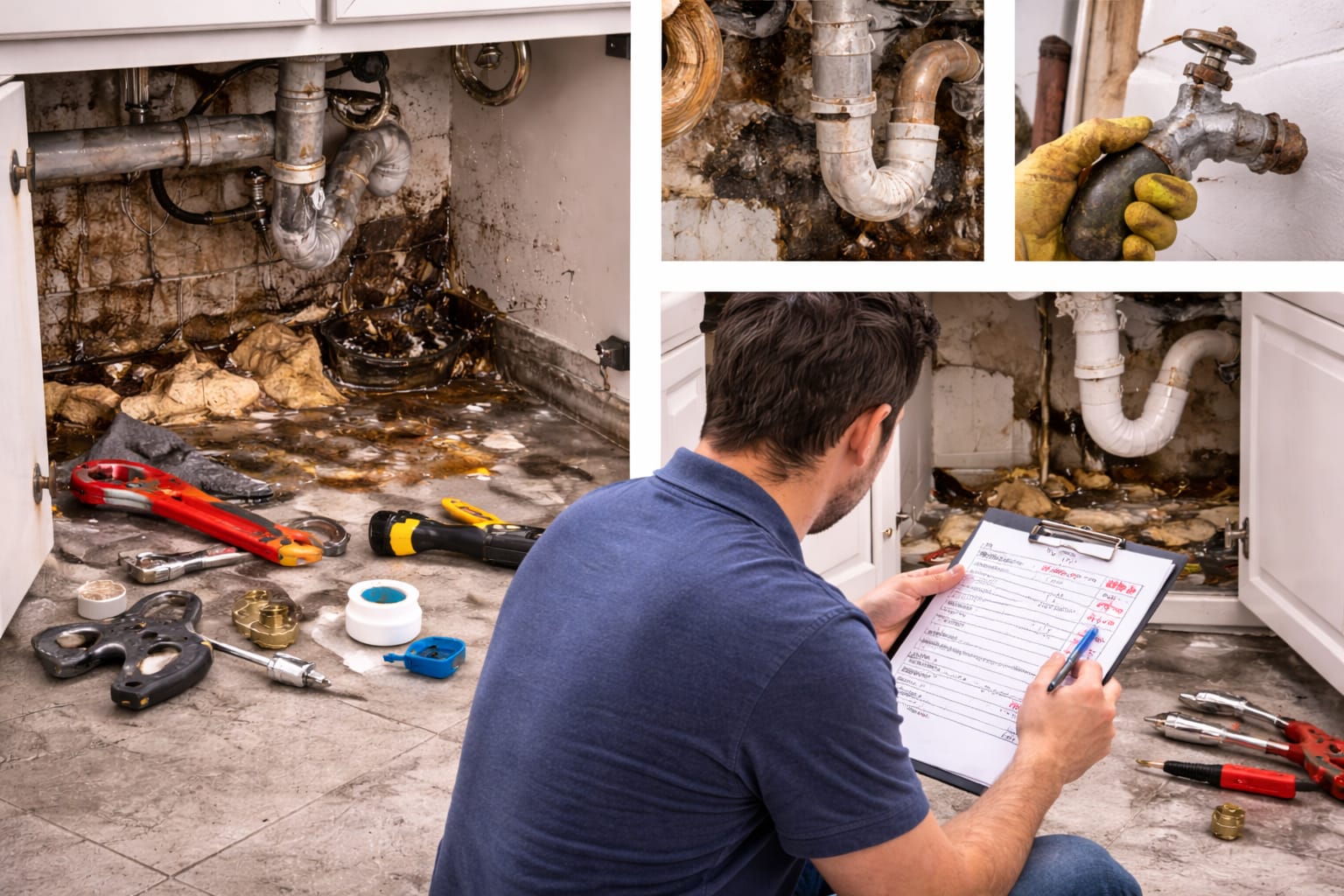
A dripping faucet seems straightforward. A running toilet should be a quick fix. That loose pipe under the sink just needs tightening. These repairs appear simple until the final bill arrives significantly higher than anticipated.
At ABM Plumbing Company serving Austin-area communities from Round Rock to Kyle, we regularly explain unexpected repair costs to homeowners. Austin's hard water (184 PPM), expansive clay soil, and aging infrastructure common in neighborhoods like Mueller, Hyde Park, and South Congress create hidden plumbing complications. The issue isn't overcharging—it's discovering hidden problems that only become visible once work begins. Simple fixes often reveal corrosion, code violations, or structural damage requiring additional work costing $150–$1,200+.
Visible Problems Usually Signal Deeper Issues
Surface-level symptoms rarely tell the complete story about your plumbing system's condition.
A leaking pipe under your kitchen sink might result from several underlying causes:
Corrosion damage: Years of mineral deposits and chemical reactions eat through pipe walls from the inside. The visible leak represents the final stage of deterioration that's been progressing unseen for months or years.
Excessive water pressure: Municipal water pressure above 80 PSI stresses pipes, joints, and fixtures throughout your home. One leak today often precedes multiple failures in the coming weeks if pressure isn't regulated.
Improper installation: Previous repairs using mismatched materials, incorrect fittings, or inadequate support create stress points that eventually fail. Correcting these installation errors requires more extensive work than simply patching the leak.
Foundation settling: Ground movement stresses rigid pipe connections, causing joints to separate or crack. Fixing one leak without addressing foundation-related stress leaves other connections vulnerable.
Addressing only the visible leak without correcting the underlying cause guarantees the problem will recur, often within weeks or months. Comprehensive repairs cost more initially but prevent repeated service calls and escalating damage.
Water Damage Reveals Itself During Repairs
Water follows gravity and finds the path of least resistance. Small leaks you barely notice at fixtures often cause extensive hidden damage.
When plumbers remove access panels or open walls to reach leaking pipes, they frequently discover:
Structural wood damage: Continuous moisture rots floor joists, wall studs, and cabinet bases. Compromised structural members require replacement before completing plumbing repairs safely.
Mold colonization: Damp conditions behind walls create ideal environments for mold growth. Mold remediation requires specialized procedures beyond standard plumbing repairs and may involve separate contractors.
Ruined drywall and insulation: Water-stained and swollen drywall loses structural integrity and must be replaced. Wet insulation becomes compressed and ineffective, requiring removal and replacement.
Secondary pipe failures: The leak you called about often exposes other deteriorating connections and corroded pipes in the same area. Repairing multiple problems simultaneously prevents return visits and additional labor costs.
Professional plumbers have an ethical and legal obligation to inform homeowners about safety hazards and code violations discovered during repairs. Ignoring these issues isn't an option.
Aging Plumbing Systems Complicate Repairs
Homes built before 1990 often contain plumbing materials that modern codes no longer permit. Working with these outdated systems requires extra time, specialized knowledge, and careful handling.
Galvanized steel pipes: Common in homes built before 1960, these pipes corrode internally and become brittle with age. Attempting to unscrew one section often breaks adjacent pipes, necessitating larger-scale replacement.
Cast iron drain lines: These pipes crack and crumble when disturbed after decades of corrosion. What starts as a simple drain repair becomes a pipe replacement project when cast iron sections disintegrate during removal.
Polybutylene piping: Installed between 1978 and 1995, this gray plastic pipe becomes brittle and fails without warning. Many plumbers recommend complete replacement when working on homes with polybutylene systems.
Lead service lines: Homes built before 1986 may have lead supply pipes. Current regulations often require complete removal rather than repairs when lead pipes are accessed.
Modern plumbers cannot simply patch aging systems and leave homeowners with time-bomb failures waiting to happen. Bringing plumbing up to current safety standards costs more but protects your family and property value.
Previous DIY Repairs Create Additional Work
Homeowners attempting their own plumbing repairs with good intentions often create problems that make professional repairs more difficult and expensive.
Common issues we encounter:
-
Wrong pipe materials connected together (copper to galvanized steel without dielectric unions, causing accelerated corrosion)
-
Excessive sealants and pipe dope making disassembly nearly impossible
-
Overtightened fittings with stripped threads requiring cutting and replacement
-
Missing or improperly installed shutoff valves
-
Drainage systems without proper venting causing recurring clogs
-
Non-code-compliant installations that require complete removal
Correcting these mistakes takes longer than starting from scratch. Plumbers must carefully extract improperly installed components without damaging surrounding plumbing, then install replacements correctly.
One particularly expensive scenario involves homeowners who've attempted multiple DIY fixes over the years. Each failed attempt adds layers of incorrect materials and techniques that must be undone before proper repairs can proceed.
Building Code Compliance Isn't Optional
Professional plumbers operate under legal requirements that homeowners sometimes don't realize exist. Every repair must meet current building codes regardless of when the original installation occurred.
Code updates that increase repair scope:
-
Modern codes require shutoff valves at every fixture. Adding these valves to older homes without them adds material and labor costs.
-
Pressure relief valves on water heaters must discharge through proper drainage to floor drains or outdoors. Correcting improper discharge routing takes additional time.
-
Anti-scald devices on shower valves became mandatory in newer codes. Upgrading older fixtures requires valve body replacement.
-
Backflow prevention devices protect municipal water supplies from contamination. Installing these devices adds components to standard repairs.
-
Proper venting for drain systems prevents sewer gas entry and ensures drainage function. Correcting missing or undersized vents requires opening walls and adding piping.
Permits and inspections add costs for certain repair types, but they protect homeowners from liability and problems during home sales. Licensed plumbers cannot legally skip these requirements even if homeowners request it.
Access Difficulties Increase Labor Time
The same repair takes dramatically different amounts of time depending on where the problem exists in your home.
Location challenges that extend repair duration:
-
Crawl spaces with limited clearance require plumbers to work in cramped positions, slowing progress significantly
-
Slab foundation homes require breaking concrete and excavation to access buried supply lines
-
Finished ceilings below plumbing prevent access from underneath, requiring working from above with longer reaches
-
Plumbing hidden behind permanent fixtures and tiled walls necessitates careful demolition and restoration
-
Multi-story homes where shut-offs require accessing multiple floors
Some repairs that take 30 minutes with clear access require three hours when plumbers must navigate through difficult locations. This reality affects costs but doesn't represent inefficiency.
Emergency Timing Affects Pricing
Plumbing emergencies don't respect business hours. Nights, weekends, and holidays require plumbers to interrupt personal time and family commitments.
Emergency service pricing typically increases 50-100% over standard rates because:
-
On-call plumbers maintain availability instead of scheduling personal activities
-
Emergency response requires immediate departure, often from home
-
After-hours parts procurement involves premium supplier fees
-
Rush response prevents scheduling multiple efficient same-area appointments
Waiting for regular business hours when possible significantly reduces costs. True emergencies—flooding, sewage backups, or situations threatening property damage—justify premium pricing for immediate response.
Preventing Unexpected Repair Costs
While no one can predict every plumbing problem, certain practices minimize surprises and control long-term costs.
Proactive maintenance strategies:
Address minor leaks within days rather than weeks. Small drips that seem insignificant cause cumulative damage costing exponentially more than prompt repairs.
Schedule professional plumbing inspections every 2-3 years, particularly in homes over 20 years old. Catching deteriorating conditions early allows planned repairs at convenient times rather than emergency situations.
Avoid temporary fixes and repeated DIY attempts on recurring problems. Persistent issues signal underlying causes that require professional diagnosis.
Monitor your water bill for unusual increases that might indicate hidden leaks. A sudden 20% increase without explanation often reveals problems before they cause visible damage.
Know your home's plumbing age and materials. Understanding what's behind your walls helps anticipate future needs and budget appropriately.
Clear Communication Creates Realistic Expectations
Reputable plumbing companies explain discovered problems thoroughly and provide detailed estimates before proceeding with additional work beyond the original scope.
Professional plumbers should:
-
Show you the damaged components and explain why repairs expanded
-
Provide itemized estimates breaking down labor and materials
-
Explain code requirements and why they apply to your situation
-
Offer options when multiple repair approaches exist
-
Document conditions with photos when significant damage is discovered
This transparency helps homeowners understand costs and make informed decisions about their repairs.
Understanding True Repair Value
The cheapest estimate doesn't always deliver the best value. Comprehensive repairs that address underlying problems cost more initially but prevent recurring issues and compounding damage.
Consider total cost of ownership rather than just immediate expense. A thorough repair with proper materials and code compliance protects your home investment and provides peace of mind.
At ABM Plumbing Company, we believe homeowners deserve clear explanations about their plumbing systems and honest assessments of repair needs. When costs exceed initial expectations, we take time to show you exactly what we found and why complete repairs matter for your home's safety and longevity.
A simple plumbing fix in Austin can cost more than expected because of hidden damage, hard water complications, or diagnostic time. Austin’s water, expansive clay soil, and tree roots create complex problems. Understanding why simple fixes sometimes cost $300+ helps you appreciate professional expertise.
Frequently Asked Questions
Why did my simple fix cost $300 when I expected $100?
Multiple reasons: diagnostic time ($50-$100) to find the real problem. Hidden damage discovery (corrosion from hard water, cracks you couldn’t see). Parts availability (special fittings cost more). Travel time. Hard-to-access pipes requiring more labor. Austin rates are higher than national averages.
What hidden damage might Austin plumbers discover?
Mineral buildup from water may require special cleaning before repair. Corrosion from hard water may have damaged neighboring pipes. Expansive clay soil may have shifted pipes. Tree root damage nearby might complicate access. These aren’t intentional upcharges; they’re real work required.
How can I avoid surprise costs on plumbing repairs?
Get written estimates before work begins. Ask the plumber to call if hidden damage is discovered. Discuss payment authorization for unexpected issues. Ask what’s included in the estimate. ABM Plumbing provides upfront pricing and transparency. Call (512) 620-8200.
Is diagnostic work always charged?
Some plumbers waive diagnostic time if you use them for repairs. Others charge $50-$100. Knowing the real problem prevents unnecessary repairs. Diagnostic cost is often an investment that saves money long-term.
If recurring plumbing problems keep coming back or you want a thorough assessment of your plumbing system's condition, contact ABM Plumbing Company. We provide transparent diagnostics and lasting solutions that protect your home and your budget.
About the Author
Byron D Smith is a Responsible Master Plumber at ABM Plumbing Company of Central Texas. Licensed Texas Master Plumber serving Central Texas. Byron holds Texas Master Plumber License #45625 with the Responsible Master Plumber endorsement and oversees all plumbing work performed by ABM Plumbing.
Need Professional Plumbing Help?
Contact ABM Plumbing Company for expert service in Austin, Round Rock, Cedar Park, Georgetown, Pflugerville and surrounding areas.
Get a Free Quote