Monthly 10-Minute Plumbing Check
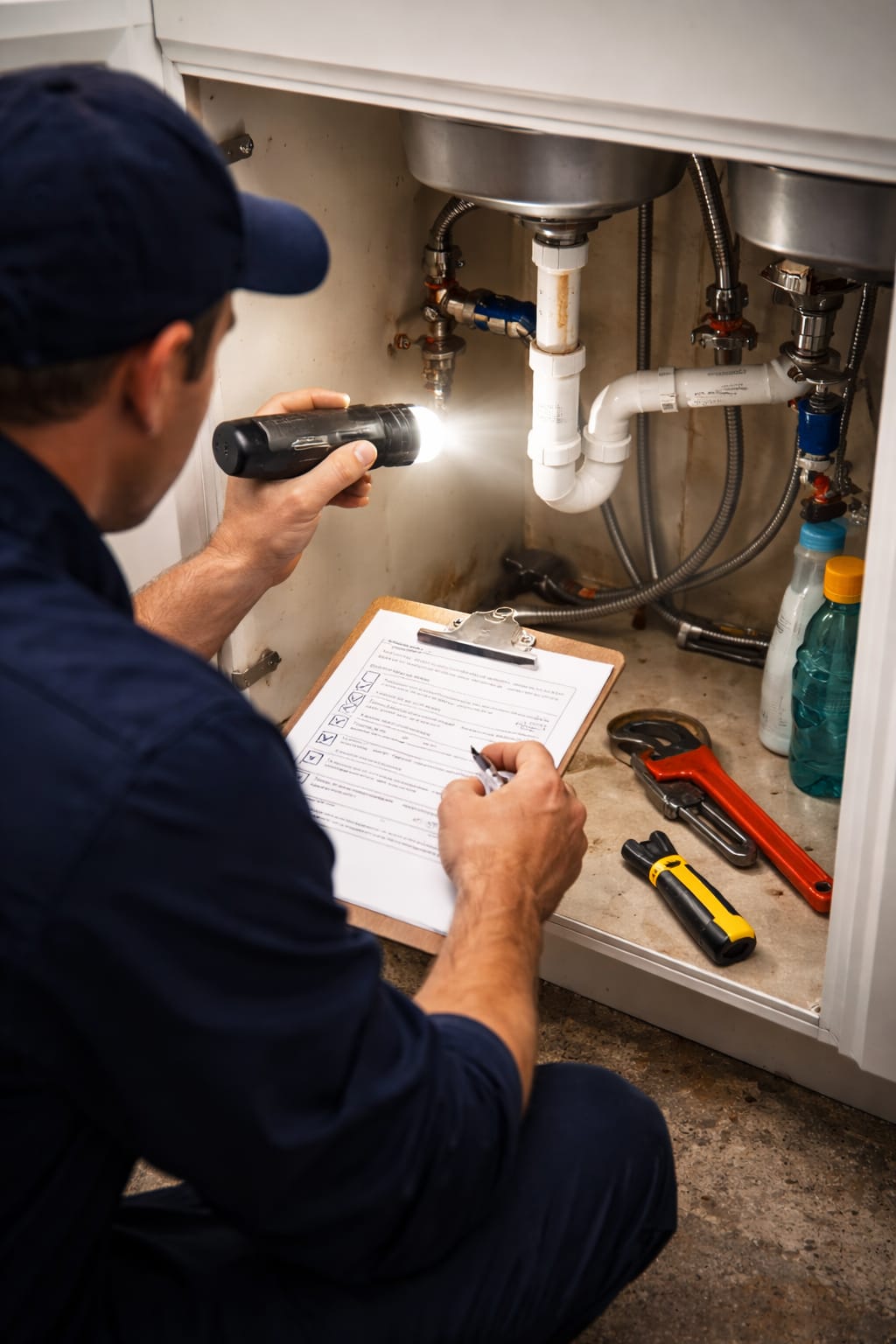
Most plumbing disasters don’t happen without warning. Small leaks, slow drains, and failing components often give subtle clues long before a major issue appears. The challenge is noticing them in time.
In Austin and Central Texas, a monthly 10-minute plumbing check is one of the easiest ways to protect your home. It doesn’t require special tools or technical knowledge, just a consistent habit. This quick routine helps you spot early warning signs, conserve water, and avoid surprise repairs.
Why a Monthly Plumbing Check Matters
Plumbing systems are used every day, but they’re rarely inspected until something goes wrong. A slow drip or minor leak may seem harmless, but over time it can lead to water damage, mold growth, or higher utility bills.
By spending just a few minutes once a month, you give yourself the chance to catch issues while they’re still easy to fix. This is especially important in homes with older plumbing, busy households, or properties with previous leak history.
Check Under Sinks
Start in the kitchen and bathrooms.
Open the cabinet doors under sinks and look for moisture, water stains, warped wood, or mildew smells. Run your hand along the supply lines and drain pipes to feel for dampness.
Pay close attention to areas around shutoff valves and pipe connections, as these are common leak points.
Look at Toilets
Toilets are frequent sources of hidden water loss.
Check around the base of each toilet for moisture or discoloration on the floor. Gently press on the toilet to see if it shifts, which can indicate a loose seal.
Listen for running water when the toilet is not in use. A toilet that refills on its own may be leaking internally.
Test Faucets and Showerheads
Turn on each faucet and shower briefly.
Watch for uneven flow, dripping after shutoff, or unusual noises when valves are opened or closed. These signs can point to worn components or mineral buildup.
While the water is running, check underneath for leaks that may only appear under pressure.
Check Drains for Slow Flow
Slow drains are often early indicators of buildup.
Run water in sinks, tubs, and showers and observe how quickly it drains. Gurgling sounds, bubbles, or lingering water suggest developing blockages or venting issues.
Catching slow drains early can help prevent full clogs or sewer problems later.
Scan for Visible Pipe Issues
Take a quick look at any exposed pipes in utility rooms, garages, basements, or crawl spaces.
Look for corrosion, rust, flaking metal, or white mineral deposits. These signs often appear before leaks develop.
Also check pipe supports to make sure lines are secure and not sagging or rubbing against surfaces.
Glance at the Water Heater
You don’t need to inspect every detail monthly, but a quick visual check goes a long way.
Look around the base of the water heater for moisture or rust. Check visible connections for signs of leaking or corrosion.
Unusual sounds or dampness near the unit should be noted and monitored.
Check Appliance Supply Lines
Appliances like washing machines, dishwashers, and refrigerators rely on supply lines that can fail unexpectedly.
Look for bulging, cracking, or corrosion on hoses. Make sure connections are tight and dry.
Even a small drip behind an appliance can cause significant damage if left unnoticed.
Inspect Outdoor Plumbing
Step outside and check outdoor faucets and hose connections.
Look for dripping, cracks, or loose fittings. Make sure hoses are in good condition and not stressing the faucet connection.
Seasonal temperature changes can affect outdoor plumbing more quickly than indoor systems.
Watch Your Water Pressure
Turn on a faucet and take note of pressure changes.
Sudden increases in pressure, banging pipes, or vibration can indicate pressure-related issues. High water pressure may not seem like a problem, but it can shorten the lifespan of pipes and fixtures.
If pressure feels inconsistent from month to month, it may be worth further evaluation.
Note Anything Unusual
The final step is awareness.
Make a quick mental or written note of anything that seems different from last month. New sounds, smells, stains, or performance changes are often the first signs of plumbing trouble.
Consistency is what makes this check effective. When you know what “normal” looks like, problems stand out faster.
When a Quick Check Isn’t Enough
A monthly inspection is a preventive habit, not a replacement for professional service. If you notice recurring leaks, unexplained water bill increases, slow drains that don’t improve, or corrosion on pipes, it’s time for a deeper inspection.
Some issues require specialized tools or experience to diagnose properly, especially those involving water pressure, sewer lines, or aging plumbing systems.
Simple Habits That Protect Your Home
A quick monthly plumbing check can save Austin homeowners from costly surprises. Central Texas conditions, including hard water averaging 184 PPM, seasonal temperature swings, and expansive clay soil, accelerate wear on plumbing components. Whether you live in Mueller, Circle C, or Avery Ranch, spending just 10 minutes each month checking key fixtures and connections helps catch small issues before they become expensive repairs. Austin Water rates are tiered from $1.36 to $35.54 per 1,000 gallons, so even small leaks can significantly increase your monthly bill.
Frequently Asked Questions
What should I check monthly in my Austin home?
Focus on visible pipe connections for drips, toilet flappers for running water, water heater base for moisture, faucet aerators for mineral buildup, and under-sink areas for signs of leaks. In Austin, also check outdoor hose bibs and irrigation connections, especially before and after the December through February freeze season.
How can I tell if I have a hidden leak?
Check your water meter before and after a two-hour period when no water is used. If the meter moves, you likely have a leak. Austin Water bills are tiered, so even small leaks can push you into a higher rate bracket, costing $10 to $100 or more per month.
How does Austin hard water affect my plumbing?
Austin water at 184 PPM causes mineral deposits that build up in pipes, faucets, and water heaters. During your monthly check, look for white or green mineral deposits around faucet aerators and showerheads. These deposits indicate hard water buildup that may be narrowing your pipes.
When should I call a professional instead of doing a check myself?
Call ABM Plumbing Company at (512) 620-8200 if you notice water stains on walls or ceilings, hear unusual sounds from pipes, find persistent moisture around the water heater, or see your water bill spike unexpectedly. These signs often indicate problems beyond a basic check.
A 10-minute monthly plumbing check is one of the easiest ways to reduce stress, protect your home, and avoid emergency repairs. If you’d like help addressing concerns you discover or want a more comprehensive inspection, ABM Plumbing Company offers professional plumbing services focused on long-term reliability and practical solutions. Staying ahead of plumbing problems is always easier than reacting to them.
About the Author
Byron D Smith is a Responsible Master Plumber at ABM Plumbing Company of Central Texas. Licensed Texas Master Plumber serving Central Texas. Byron holds Texas Master Plumber License #45625 with the Responsible Master Plumber endorsement and oversees all plumbing work performed by ABM Plumbing.
Need Professional Plumbing Help?
Contact ABM Plumbing Company for expert service in Austin, Round Rock, Cedar Park, Georgetown, Pflugerville and surrounding areas.
Get a Free Quote