Energy-Efficient Water Heater Options
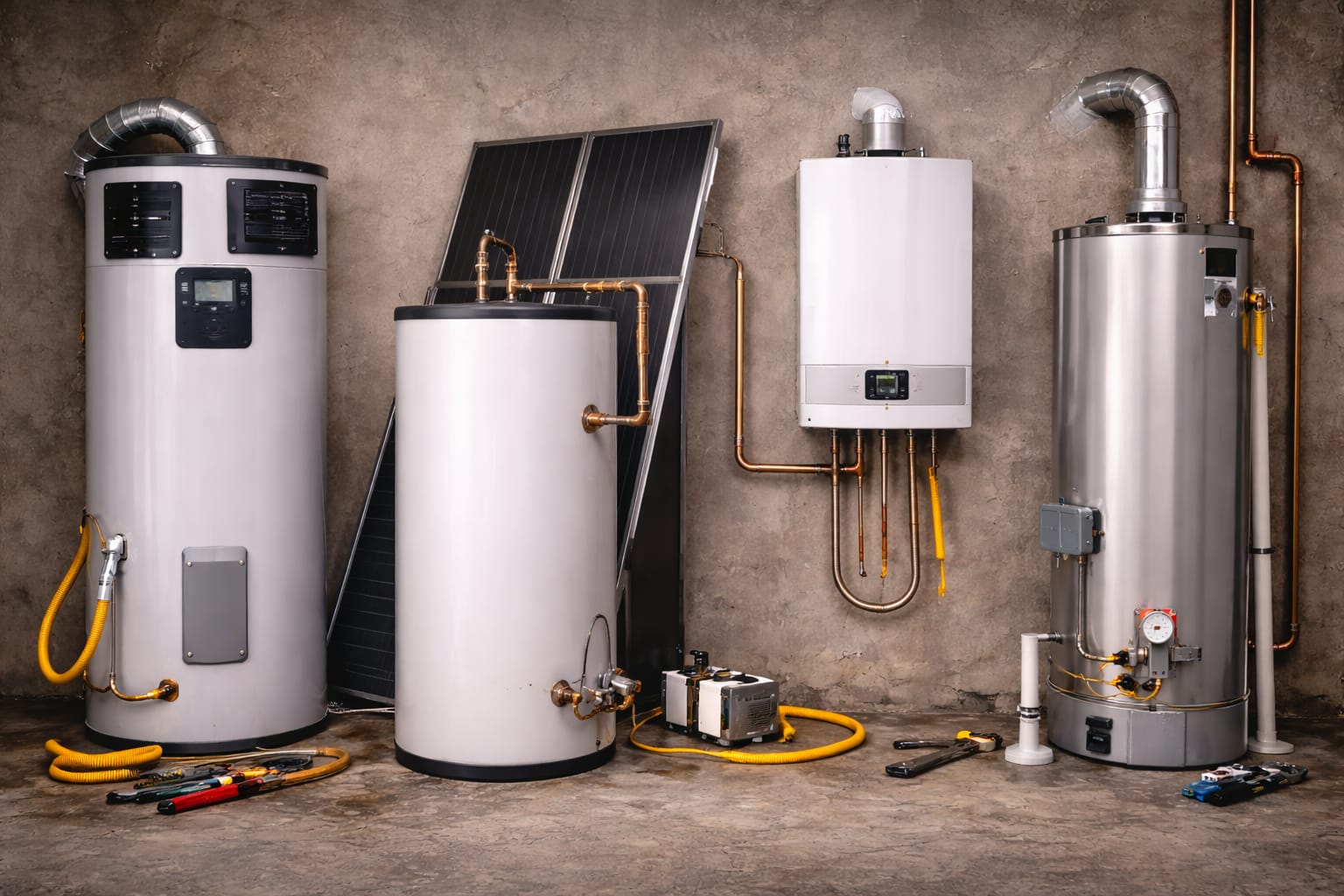
Energy-efficient water heaters are systems designed to minimize energy consumption while delivering reliable hot water, using advanced insulation, on-demand heating, or alternative energy sources to reduce utility costs and environmental impact. Hot water is one of the largest energy expenses in most homes. Because water heaters operate daily, even small efficiency improvements can lead to meaningful savings over time. In Austin, where water heating accounts for 15-20% of household energy use, choosing an energy-efficient water heater isn’t just about lowering monthly bills, it’s also about reliability, comfort, and long-term performance. With Austin water rates ranging from $1.36 to $35.54 per 1,000 gallons and average residential energy costs, a high-efficiency system can reduce annual utility bills by $100-$300 or more.
This guide explains the most common energy-efficient water heater options available today, how they work, and what factors matter when deciding which system fits your home. For Austin homeowners, understanding whether tankless, heat pump, or traditional models make sense requires weighing upfront costs ($1,200-$2,500 for standard tanks, $2,500-$4,500 for tankless systems) against long-term energy savings and the availability of rebates like Austin Water’s $800 heat pump incentive. We’ll also explore how to compare these options strategically, ensuring you choose the right fit for your household’s hot water needs.
What Makes a Water Heater Energy Efficient
Energy efficiency is determined by how effectively a water heater converts energy into usable hot water and how much heat is lost in the process.
More efficient systems minimize standby heat loss, heat water only when needed, or use alternative energy sources. Efficiency ratings, recovery time, insulation, and smart controls all play a role in overall performance.
Understanding these basics makes it easier to compare different technologies.
High-Efficiency Tank Water Heaters
Modern tank-style water heaters are far more efficient than older models.
Improved insulation reduces heat loss while the water sits in the tank. High-efficiency gas models use better burner designs and venting systems to extract more heat from fuel. Electric tank models benefit from improved heating elements and tighter temperature control.
These units are often a good option for homeowners who want better efficiency without changing system type or installation layout.
Tankless Water Heaters
Tankless water heaters are often considered one of the most energy-efficient options.
Because they heat water on demand rather than storing it, they eliminate standby heat loss. This can significantly reduce energy usage, especially in homes with intermittent hot water demand.
Tankless systems are compact and can provide continuous hot water when properly sized. However, efficiency gains depend on household usage patterns and correct installation.
Heat Pump Water Heaters
Heat pump water heaters, sometimes called hybrid water heaters, are among the most efficient options available.
Instead of generating heat directly, they transfer heat from the surrounding air into the water. This process uses significantly less electricity than traditional electric water heaters.
Heat pump systems work best in locations with adequate space and moderate ambient temperatures. Austin’s mild winters and year-round warmth make heat pump water heaters excellent options for Central Texas homeowners. Initial costs range from $2,000-$4,000 (plus installation), but Austin Water currently offers $800 rebates that significantly offset upfront expense. They often have higher upfront costs but can deliver substantial long-term energy savings, with typical payback periods of 5-8 years. ABM Plumbing can assess your installation space and utility compatibility.
Solar Water Heaters
Solar water heaters use energy from the sun to heat water, reducing reliance on electricity or gas.
These systems typically include solar collectors and a storage tank. In some setups, a conventional water heater provides backup when sunlight is limited.
Solar water heaters can be extremely efficient in the right climate but depend heavily on sun exposure, roof orientation, and installation conditions. Austin homes benefit from over 300 days of sunshine annually, making solar water heating an excellent option for Central Texas homeowners. Properties in Hyde Park, Westlake, Barton Hills, and Mueller neighborhoods with south-facing roofs are ideal candidates. System costs range from $3,000-$6,000 initially, but federal tax credits and potential Austin utility rebates can reduce the net cost. Solar systems typically require a backup conventional heater for winter months or cloudy periods, combining both technologies.
Condensing Gas Water Heaters
Condensing gas water heaters are designed to capture heat that would normally be lost through venting.
By extracting additional heat from exhaust gases, these systems achieve higher efficiency than standard gas models. They are especially effective in homes with consistent hot water demand.
Condensing systems often require specific venting materials and drainage for condensation, which should be considered during planning.
Smart Controls and Efficiency Features
Efficiency isn’t just about the heating method. Smart plumbing technology integration with water heaters multiplies energy savings across your entire system.
Modern water heaters often include smart features such as programmable schedules, vacation modes, and usage monitoring. These tools help reduce unnecessary heating and improve overall efficiency.
Recirculation systems, when properly designed, can also reduce water waste and wait times, though they should be evaluated carefully to avoid increasing energy use.
Matching Efficiency to Household Needs
The most energy-efficient water heater is the one that fits how your household actually uses hot water.
A large family with high, consistent demand may benefit from different technology than a smaller household with intermittent use. Climate, available energy sources, installation space, and budget all affect which option delivers the best value.
Efficiency ratings matter, but real-world performance depends on correct sizing and installation.
Long-Term Cost Considerations
Energy-efficient systems often cost more upfront but less over time.
Lower utility bills, longer lifespan, and potential rebates or incentives can offset initial expense. Evaluating total cost of ownership rather than purchase price alone provides a clearer picture of value.
Planning ahead also reduces the risk of emergency replacements, which often limit efficiency choices.
Frequently Asked Questions
How much does a new energy-efficient water heater cost in Austin?
Costs vary widely: traditional tank water heaters range from $1,200-$2,500, tankless systems cost $2,500-$4,500, and heat pump models run $2,000-$4,000. Installation labor typically costs $800-$1,500 in Central Texas. Austin Water’s $800 heat pump rebate can significantly reduce net expenses. Many financing options are available to spread costs over time.
What is the payback period for energy-efficient water heaters?
Payback periods depend on utility costs, system type, and household usage. Tankless systems typically break even in 5-10 years. Heat pump water heaters average 5-8 years with Austin’s energy costs and rebate incentives. Regular maintenance and proper sizing ensure maximum efficiency during the payback period and beyond.
Can I get rebates or incentives for upgrading my water heater in Austin?
Yes! Austin Water currently offers $800 rebates for heat pump water heaters. They also provide free showerheads and aerators to reduce overall water consumption. Federal tax credits may apply to solar and other alternative systems. Contact Austin Water at (512) 974-2199 to confirm current programs and eligibility. ABM Plumbing can help you navigate these incentives when planning your upgrade.
Which water heater is best for my Austin home?
The best option depends on your family size, hot water usage patterns, available space, roof orientation (for solar), and budget. Austin homeowners with moderate climates benefit especially from heat pump systems. South-facing roofs with good sun exposure make solar attractive. High daily usage may suit tankless systems better than standard tanks. Schedule a consultation with ABM Plumbing to have a professional assess your specific situation and home layout.
Choosing an Energy-Efficient Solution with Confidence
Energy-efficient water heaters offer meaningful benefits, but the right choice depends on careful evaluation of your home and usage habits. Whether you’re comparing tankless versus traditional models or evaluating electric versus gas options, the decision should balance initial cost, operating expenses, and your household’s specific demands. Explore our guides on tankless vs traditional systems and electric vs gas water heaters for detailed comparisons. If you’re ready to move forward, check our water heater sizing guide to ensure proper capacity for your home. If you’re exploring energy-efficient upgrades or considering replacement options, ABM Plumbing Company of Central Texas can help assess your needs and recommend solutions focused on efficiency, comfort, and long-term reliability. Serving Austin and surrounding communities across Travis and Williamson County, we’re ready to help. Call (512) 620-8200 for a free efficiency evaluation and financing options available for qualified homeowners. Investing in the right system today can deliver savings and performance for years to come.
About the Author
Byron D Smith is a Responsible Master Plumber at ABM Plumbing Company of Central Texas. Licensed Texas Master Plumber serving Central Texas. Byron holds Texas Master Plumber License #45625 with the Responsible Master Plumber endorsement and oversees all plumbing work performed by ABM Plumbing.
Need Professional Plumbing Help?
Contact ABM Plumbing Company for expert service in Austin, Round Rock, Cedar Park, Georgetown, Pflugerville and surrounding areas.
Get a Free Quote