Detecting and Fixing Water Waste: A Homeowner's Complete Diagnostic Guide
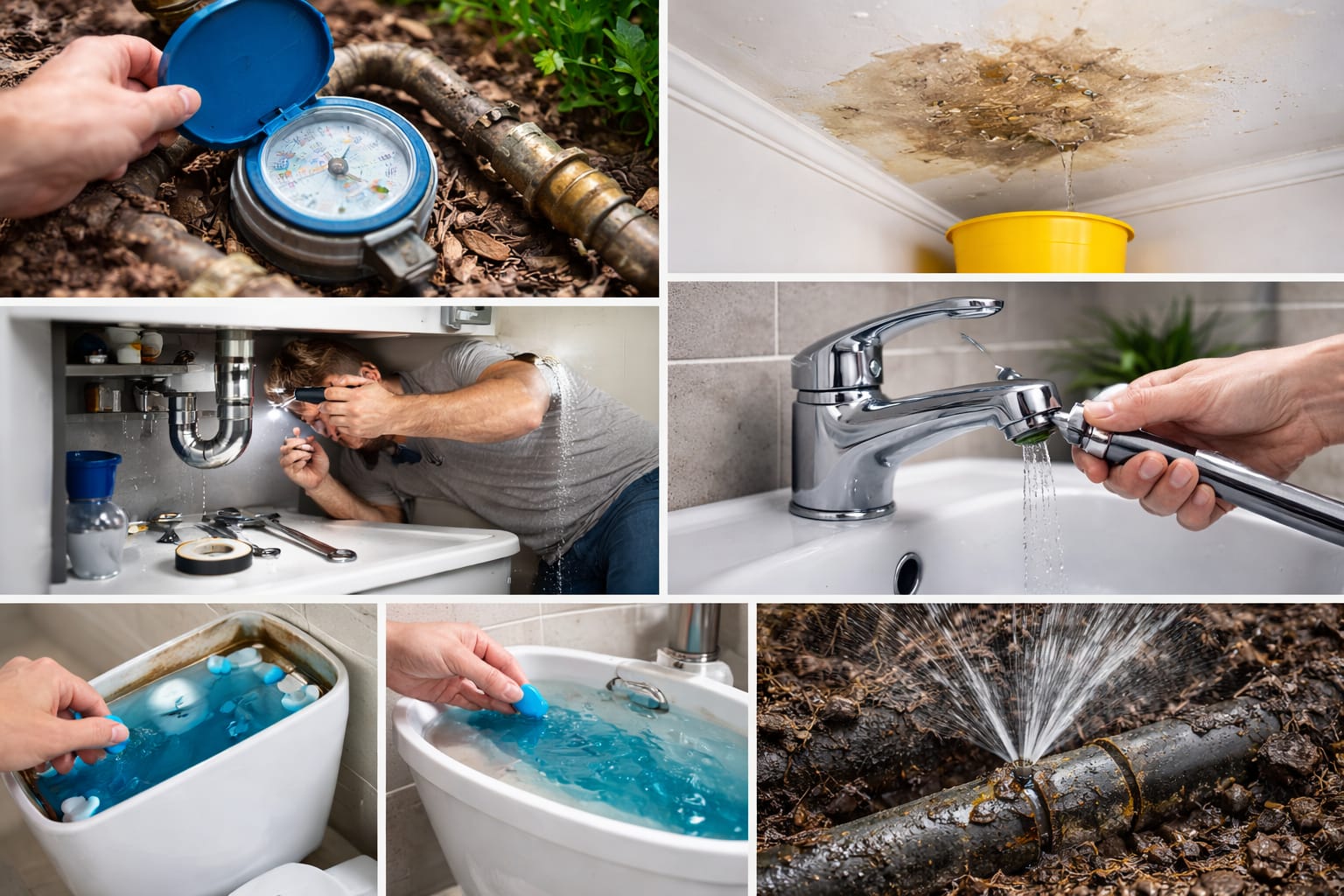
Water waste in residential properties costs American households an estimated $6 billion annually—money literally flowing down the drain while simultaneously stressing infrastructure and depleting resources. Having conducted hundreds of leak detection audits and water waste assessments over 15 years, I've found that most homeowners underestimate their water loss by 40-60% until they perform systematic diagnostics.
Central Texas homeowners understand the importance of water conservation in our region. Detecting and fixing water waste not only saves money but supports sustainable living in our community.
This guide provides a methodical approach to identifying, quantifying, and eliminating water waste using proven detection techniques and cost-effective repair strategies.
Recognizing the Warning Signs: What Your Home Is Telling You
Water waste rarely announces itself with obvious flooding. Instead, it manifests through subtle indicators that many homeowners dismiss or overlook.
Primary Red Flags
Unexplained Bill Increases: A water bill spike of 12% or more without changes in household size or habits typically indicates a leak. According to EPA data, a family of four using more than 12,000 gallons monthly (400 gallons daily) is likely experiencing waste.
Phantom Water Sounds: Hearing water running when all fixtures are off indicates active leaks. This sound is most noticeable at night when ambient noise is minimal. Common sources include toilet flappers, valve seats, and supply line connections.
Pressure Fluctuations: Sudden drops in water pressure can signal leaks in supply lines. Gradual pressure loss over weeks or months often indicates pipe corrosion or multiple small leaks accumulating.
Moisture and Discoloration: Water stains on ceilings, walls, or floors appear as yellowish-brown discoloration or bubbling paint/wallpaper. Persistent dampness in cabinets under sinks or near water heaters requires immediate investigation.
Mold and Mildew: Musty odors or visible mold growth in unexpected locations (not just bathrooms) suggests chronic moisture from hidden leaks. Mold can develop within 24-48 hours of water exposure.
Foundation or Slab Issues: Cracks in foundation, unexplained warm spots on floors (from hot water leaks), or areas of unusually lush grass in your yard may indicate underground leaks.
Quantifying the Impact
Understanding waste severity helps prioritize repairs:
-
Minor drip (1 drop/second): 3,000+ gallons/year = $45-75 wasted
-
Steady drip (10 drops/minute): 500+ gallons/year = $7-12 wasted
-
Running toilet: 200+ gallons/day = $1,000-1,500/year wasted
-
Small leak (1/32" stream): 400+ gallons/day = $2,000-3,000/year wasted
-
Moderate leak (1/16" stream): 6,300 gallons/day = catastrophic costs and damage
The Water Meter Test: Your Most Powerful Diagnostic Tool
Your water meter provides definitive evidence of leaks when used properly. This test requires no special equipment and delivers results within 1-3 hours.
Step-by-Step Meter Test Protocol
Step 1: Establish Baseline Conditions
-
Choose a 2-3 hour period when no water will be used
-
Turn off all water-consuming appliances: dishwasher, washing machine, ice makers, water softeners, irrigation systems
-
Ensure all faucets, showers, and hoses are closed
-
Don't flush toilets during the test period
-
Note: Some water heaters have small passive flows; for most accurate results, turn off the water heater supply valve
Step 2: Record Initial Reading
-
Locate your water meter (typically near the street or property line in a covered box)
-
Note the exact reading on the meter dial or digital display
-
Most meters display in cubic feet or gallons
-
Photograph the meter for reference if the dial is complex
Step 3: Wait and Monitor
-
Leave the home undisturbed for the test period
-
For best results, conduct this test before bed and check again in the morning (6-8 hour test)
-
Shorter 2-hour tests work but may miss intermittent leaks
Step 4: Check for Movement
-
Return to the meter and record the new reading
-
Critical finding: If the meter has moved AT ALL, you have a leak
-
Note how much the meter moved—this indicates leak severity
Interpreting Results
No movement: No active leaks, but perform periodic retests as small leaks can develop
Movement of 0.1-1 gallon: Small leak, likely a dripping faucet or minor toilet leak—addressable with DIY repairs
Movement of 1-10 gallons: Moderate leak requiring prompt attention—running toilet or leaking fixture valve
Movement of 10+ gallons: Major leak requiring immediate professional assessment—could be slab leak, main line issue, or irrigation system failure
Real Case Example: A homeowner's meter showed 47 gallons used during an 8-hour overnight test. Investigation revealed a toilet flapper leaking 140 gallons daily—equivalent to $770 in annual waste. A $12 replacement flapper solved the problem.
Toilet Leak Detection: The 30% Solution
Toilets account for approximately 30% of residential water use and represent the single most common source of household water waste. A leaking toilet can waste 200-300 gallons daily without obvious symptoms.
The Dye Test (Food Coloring Method)
What You Need: Food coloring or leak detection tablets (available free from many water utilities)
Procedure:
-
Remove toilet tank lid and add 10-15 drops of food coloring to the tank water (don't use red—it stains)
-
Do not flush for 15-30 minutes
-
After waiting, check the toilet bowl water
-
If colored water appears in the bowl, you have a leak—the flapper is allowing water to flow from tank to bowl
-
Test all toilets in the home
What the Test Reveals:
-
Color appears immediately: Severe flapper leak requiring urgent replacement
-
Color appears after 10-15 minutes: Moderate leak—flapper or flush valve issue
-
Faint color after 30 minutes: Minor leak, but still wasting 30-50 gallons daily
-
No color after 30 minutes: Toilet seal is functioning properly
Common Toilet Leak Causes and Fixes
Flapper Deterioration (Most Common):
-
Symptom: Rubber flapper becomes brittle, warped, or mineral-encrusted
-
Fix: Replace flapper ($5-15), takes 10-15 minutes, no tools required for most models
-
Prevention: Replace flappers every 3-5 years as preventive maintenance
Fill Valve Malfunction:
-
Symptom: Water continuously runs through overflow tube, hissing sound
-
Fix: Adjust float level or replace fill valve assembly ($12-25)
-
Test: Flush toilet and watch if water stops flowing at proper level
Flush Valve Seal Deterioration:
-
Symptom: Water seeps around the base of the flush valve
-
Fix: Requires tank removal and seal replacement ($15-30 in parts)
-
Professional consideration: This repair involves tank removal—DIY skill level moderate
Overflow Tube Issues:
-
Symptom: Water level too high, spilling into overflow tube
-
Fix: Adjust fill valve to reduce water level to 1 inch below overflow tube
-
No-cost solution: Takes 2 minutes to adjust
Quantifying Your Toilet Waste
Use this formula to calculate specific waste rates:
Moderate toilet leak: 1 gallon every 3-4 flushes = 50 gallons/day = 18,250 gallons/year = $275/year
Severe toilet leak: Constant stream = 200 gallons/day = 73,000 gallons/year = $1,095/year
Faucet Leaks: Small Drips, Large Consequences
A single faucet dripping once per second wastes 3,000+ gallons annually. Most homes have multiple potential drip points, multiplying the impact.
Systematic Faucet Inspection
What to Check:
-
All sink faucets (kitchen, bathrooms, utility room)
-
Shower and tub fixtures
-
Outdoor hose bibs (especially before winter)
-
Laundry connections
-
Water heater relief valves
Visual Inspection Process:
-
Look for water droplets forming on spout or handles
-
Check under sinks for moisture on supply lines or shut-off valves
-
Inspect aerators for mineral buildup causing irregular flow
-
Test handles for excessive play or difficulty turning
Common Faucet Leak Repairs
Compression Faucet (Separate Hot/Cold Handles):
-
Typical cause: Worn washer or O-ring
-
Parts needed: Replacement washer kit ($3-8)
-
Difficulty: Beginner—requires shutting off water and basic wrench
-
Time: 20-30 minutes
Cartridge Faucet (Single Handle):
-
Typical cause: Worn cartridge seals
-
Parts needed: Replacement cartridge ($15-35, must match model)
-
Difficulty: Intermediate—cartridge removal can be challenging
-
Time: 30-45 minutes
Ceramic Disc Faucet:
-
Typical cause: Sediment buildup or inlet seal damage
-
Parts needed: Seal replacement kit ($10-20)
-
Difficulty: Intermediate—requires careful disassembly
-
Time: 30-40 minutes
When to Replace vs. Repair:
-
If faucet is over 15 years old, replacement often makes more sense
-
Multiple failed repair attempts suggest fixture replacement needed
-
New WaterSense faucets ($80-200) provide efficiency upgrades and warranties
Real Savings Example: A bathroom faucet dripping 10 drops per minute wastes 500 gallons annually. At $0.015/gallon, that's $7.50/year per drip. With three dripping faucets (common scenario), waste reaches $22.50 annually—and the drips typically worsen over time. A $15 washer replacement kit solving all three leaks pays for itself in 8 months.
Appliance Leak Detection and Prevention
Water-using appliances develop leaks as components age, connections loosen, or hoses deteriorate.
Washing Machine Inspection
High-Risk Components:
-
Supply hoses: Check for bulges, cracks, or brittleness every 6 months
-
Drain hose: Ensure proper connection and no kinks
-
Door seal (front-loaders): Inspect for tears, mold, or debris
-
Detergent dispenser: Look for buildup causing overflow
Preventive Measures:
-
Replace rubber supply hoses with braided stainless steel ($20-30 per pair)
-
Install flood sensors near washing machine ($15-40)
-
Clean door seal monthly on front-loaders
-
Replace supply hoses every 5 years regardless of appearance
Warning Signs: Water pooling near machine, musty odors, or rust on machine feet
Dishwasher Assessment
Key Inspection Points:
-
Door gasket: Run finger along seal checking for cracks or stiffness
-
Spray arm connection: Ensure proper seating and no leaks during cycle
-
Drain hose connection: Check under sink for moisture
-
Water inlet valve: Listen for unusual sounds during fill cycle
Common Issues:
-
Door not sealing properly (adjustment needed)
-
Float switch malfunction (causes overfilling)
-
Drain pump failure (causes backup and leaks)
Cost of Failure: Dishwasher leaks cause an average of $4,200 in water damage claims, according to insurance industry data.
Water Heater Vigilance
Water heaters typically show warning signs before catastrophic failure.
Monthly Inspection Checklist:
-
Check temperature/pressure relief valve for moisture
-
Look for rust or corrosion on tank exterior
-
Inspect base of tank for water pooling
-
Listen for unusual sounds (popping, hissing)
-
Check all connections for moisture or mineral deposits
Longevity by Type:
-
Traditional tank water heaters: 8-12 years
-
Tankless water heaters: 15-20 years
-
Heat pump water heaters: 10-15 years
Proactive Replacement Timeline: Begin shopping for replacement at 75% of expected lifespan to avoid emergency replacement and potential water damage.
Outdoor Water Waste: The Overlooked Expense
Outdoor irrigation often represents 30-60% of household water use in warmer months, making it a critical waste reduction target.
Sprinkler System Audit
Zone-by-Zone Inspection:
-
Run each zone individually for full cycle
-
Watch for:
-
Broken or stuck heads
-
Spray hitting pavement instead of landscaping
-
Misting (indicates excessive pressure)
-
Geyser effects (broken lateral line)
-
Dry spots (clogged nozzles)
Common Waste Sources:
-
Overspray: 10-15% of water lands on non-landscaped areas
-
Misaligned heads: Can waste 20-30% of zone output
-
Broken lateral lines: May leak 5-15 gallons per minute underground
-
Controller issues: Zones running on incorrect schedules
Efficiency Improvements:
-
Install rain sensors ($40-75) to prevent watering during storms
-
Upgrade to smart irrigation controllers ($150-300) that adjust based on weather
-
Replace spray heads with rotary nozzles for 20-30% water savings
-
Convert high-water areas to drip irrigation
Hidden Underground Leaks:
Indicators include:
-
Areas of unusually lush or fast-growing grass
-
Soggy spots that don't dry out
-
Areas where grass grows year-round while surroundings go dormant
-
Unexplained water pooling
-
Sinkholes or depression in lawn
Detection Method: Shut off irrigation system completely for 48 hours and monitor suspected areas. Persistent moisture indicates underground leak.
Professional Leak Detection: For suspected irrigation leaks, professional detection (using acoustic equipment) costs $150-350 but often saves thousands in avoided water waste and excavation costs by pinpointing exact leak location.
When DIY Ends and Professional Help Begins
Certain water waste scenarios require licensed plumber intervention to prevent escalation.
Situations Requiring Professional Assessment
Slab Leaks (Under-Foundation Leaks):
-
Symptoms: Hot spots on floors, cracking in foundation, elevated water bills with no visible leaks, sound of running water through concrete
-
Why professional needed: Requires specialized detection equipment (acoustic sensors, thermal imaging) and may need concrete penetration
-
Average cost: $500-1,200 for detection; $1,500-4,000+ for repair depending on access
-
Urgency: Can undermine foundation—address within days of detection
Main Line Leaks:
-
Symptoms: Meter test shows significant loss, water pooling near street, sinkholes in yard
-
Why professional needed: Requires excavation and specialized tools; may involve coordination with water utility
-
Average cost: $1,000-3,000+ depending on depth and location
-
Note: Some municipalities cover street-side main line repairs
Recurring Fixture Leaks:
-
When DIY repairs fail multiple times, underlying issues may include:
-
Excessive water pressure (requires pressure regulator installation)
-
Water quality issues causing premature component failure
-
Installation defects requiring professional correction
Whole-House Pressure Issues:
-
Symptoms: Multiple fixtures with low pressure, banging pipes (water hammer), leaks at multiple locations
-
Causes: May indicate pressure regulator failure, partially closed main valve, or supply line restrictions
-
Professional solution: System pressure testing and diagnostic evaluation
Selecting Qualified Professionals
Verify Credentials:
-
Active state plumbing license (check with state licensing board)
-
Liability insurance and workers' compensation coverage
-
Established business history (5+ years preferred)
-
Specialized leak detection equipment for hidden leaks
Red Flags to Avoid:
-
Unwillingness to provide written estimates
-
Pressure for immediate payment before work begins
-
Significantly lower quotes than competitors (suggests shortcuts or unlicensed work)
-
No physical business address
Cost Expectations:
-
Diagnostic service call: $75-150
-
Leak detection with specialized equipment: $150-400
-
Standard repair labor: $80-150 per hour
-
Emergency service premium: 1.5-2x standard rates
Creating Your Water Waste Prevention Protocol
Preventing water waste requires systematic monitoring rather than reactive response to crises.
Monthly Maintenance Checklist (15-20 minutes)
Week 1: Meter Monitoring
-
Record water meter reading
-
Calculate gallons used since last reading
-
Compare to household baseline (established over 3 months of monitoring)
-
Flag any increase of 10%+ for investigation
Week 2: Fixture Inspection
-
Check all faucets for drips
-
Listen for running toilets
-
Inspect under sinks for moisture
-
Test water pressure at multiple locations
Week 3: Appliance Review
-
Examine washing machine hoses and connections
-
Inspect dishwasher door seal
-
Check water heater base and relief valve
-
Verify refrigerator ice maker connections (if applicable)
Week 4: Outdoor Assessment
-
Walk property looking for soggy areas
-
Run irrigation system briefly, checking each zone
-
Inspect outdoor faucets and hose connections
-
Check sprinkler timer settings match seasonal needs
Seasonal Deep Inspections
Spring (March-April):
-
Complete irrigation system startup and inspection
-
Replace any outdoor hose washers before connecting hoses
-
Inspect foundation for winter freeze/thaw damage
-
Test sump pump operation (if applicable)
Summer (July-August):
-
Monitor water usage during peak irrigation months
-
Adjust sprinkler schedules as temperatures rise
-
Inspect for heat-related expansion issues in exposed pipes
Fall (October-November):
-
Winterize irrigation systems in freeze-prone areas
-
Drain and disconnect outdoor hoses
-
Insulate exposed pipes before temperature drops
-
Inspect water heater before heating season
Winter (January-February):
-
Check for freeze damage after cold snaps
-
Monitor indoor humidity levels (excess may indicate leaks)
-
Ensure pipe insulation remains intact
-
Review year's water usage patterns for optimization
Documentation and Tracking
Create a Water Waste Log:
-
Date of inspection
-
Meter readings
-
Issues discovered
-
Repairs completed
-
Costs incurred
-
Projected annual savings
Digital tools: Many utilities now offer online portals with daily usage tracking, allowing you to spot anomalies within 24 hours rather than waiting for monthly bills.
Benchmark Your Progress:
-
Establish baseline monthly usage
-
Track reduction after implementing fixes
-
Calculate actual dollars saved
-
Adjust targets annually
The Financial and Environmental Impact
Eliminating water waste delivers compounding benefits extending beyond immediate bill reduction.
Typical Household Water Waste Summary:
-
Running toilets: 50-200 gallons/day
-
Dripping faucets: 5-15 gallons/day
-
Appliance leaks: 10-30 gallons/day
-
Irrigation waste: 50-200 gallons/day (seasonal)
Total potential waste: 115-445 gallons daily = 42,000-162,000 gallons annually
Cost impact at national average rates: $630-2,430 in annual waste
Real Case Study: A Texas family reduced their water consumption from 18,000 gallons/month to 10,500 gallons/month by addressing two toilet leaks, three dripping faucets, and optimizing irrigation scheduling. Annual savings: $1,140. Total repair investment: $185. Payback period: 8 weeks.
Property Protection Value: Beyond utility savings, water waste detection prevents:
-
Structural damage from hidden leaks ($5,000-25,000+ in repair costs)
-
Mold remediation expenses ($2,000-10,000)
-
Foundation issues from slab leaks ($10,000-50,000)
-
Insurance premium increases after water damage claims
Environmental Contribution: A household eliminating 50,000 gallons of annual waste:
-
Reduces water treatment facility energy by equivalent of 200+ kWh
-
Decreases wastewater processing burden
-
Contributes to aquifer sustainability
-
Sets community example for conservation
Your Action Plan: First 30 Days
Week 1: Assessment
-
Conduct comprehensive meter test (overnight preferred)
-
Perform dye tests on all toilets
-
Inspect all visible fixtures and connections
-
Record findings and prioritize issues
Week 2: Quick Wins
-
Replace worn washers on dripping faucets
-
Install new flappers on leaking toilets
-
Add aerators to inefficient faucets
-
Fix obvious outdoor leaks
Week 3: System Optimization
-
Adjust irrigation schedules and sprinkler heads
-
Install shut-off timers on outdoor faucets
-
Calibrate water softener (if applicable) for efficient regeneration
-
Schedule professional assessment for complex issues
Week 4: Monitoring and Documentation
-
Take new meter reading
-
Calculate water reduction achieved
-
Estimate annual savings based on changes
-
Set calendar reminders for monthly checks
Expected Outcomes: Most households implementing this protocol reduce water waste by 15-35% within the first month, achieving savings of $200-600 annually while preventing long-term damage.
With Austin Water rates ranging from $1.36 to $35.54 per 1,000 gallons, detecting and fixing water waste has real financial impact. The average Austin resident uses 131 gallons per day. Small leaks waste hundreds of gallons monthly, costing money you don’t realize. Our hard water (184 PPM) can corrode pipes from the inside, causing slow leaks that go unnoticed. Learning to detect waste early saves money across Austin neighborhoods from Mueller to South Congress.
Frequently Asked Questions
How much water does a typical leak waste in Austin?
A faucet dripping once per second wastes 3,000 gallons annually in Austin’s dry climate. A running toilet can waste 200+ gallons daily. A slow pipe leak wastes hundreds of gallons monthly. At Austin Water rates (average $22.63/month), even a small leak costs $30-$50+ monthly in excess charges. Fix leaks immediately to manage your Austin water bill.
How do I detect leaks in an Austin home?
Check your water meter while no water is in use. If the meter’s dial moves, you have a leak. Compare your monthly water usage to the average Austin resident (131 gal/day). Underground leaks may show as wet spots in your yard or unusually green patches of grass. Austin Water meters are typically in your front yard near the street.
What’s the cost to fix common water leaks?
Fixing a dripping faucet costs $150-$300. Toilet repair runs $100-$300. Underground pipe leaks require camera inspection ($200-$400) then repair ($300-$2,000+ depending on depth and location). ABM Plumbing identifies and repairs leaks across Austin with upfront pricing. Call (512) 620-8200.
Does Austin offer leak repair assistance?
Austin Water offers free consultations about water conservation and may provide rebates for fixture upgrades. They also provide free showerheads and aerators to reduce water waste. Call (512) 974-2199 for water conservation programs. Austin Energy offers rebates for efficient water heaters and appliances.
The most expensive water waste is the leak you don't know you have. Systematic detection and prompt repair transform an invisible expense into documentable savings while protecting your largest investment—your home.
About the Author
Byron D Smith is a Responsible Master Plumber at ABM Plumbing Company of Central Texas. Licensed Texas Master Plumber serving Central Texas. Byron holds Texas Master Plumber License #45625 with the Responsible Master Plumber endorsement and oversees all plumbing work performed by ABM Plumbing.
Need Professional Plumbing Help?
Contact ABM Plumbing Company for expert service in Austin, Round Rock, Cedar Park, Georgetown, Pflugerville and surrounding areas.
Get a Free Quote