Kitchen Sink Clogs Prevention Guide
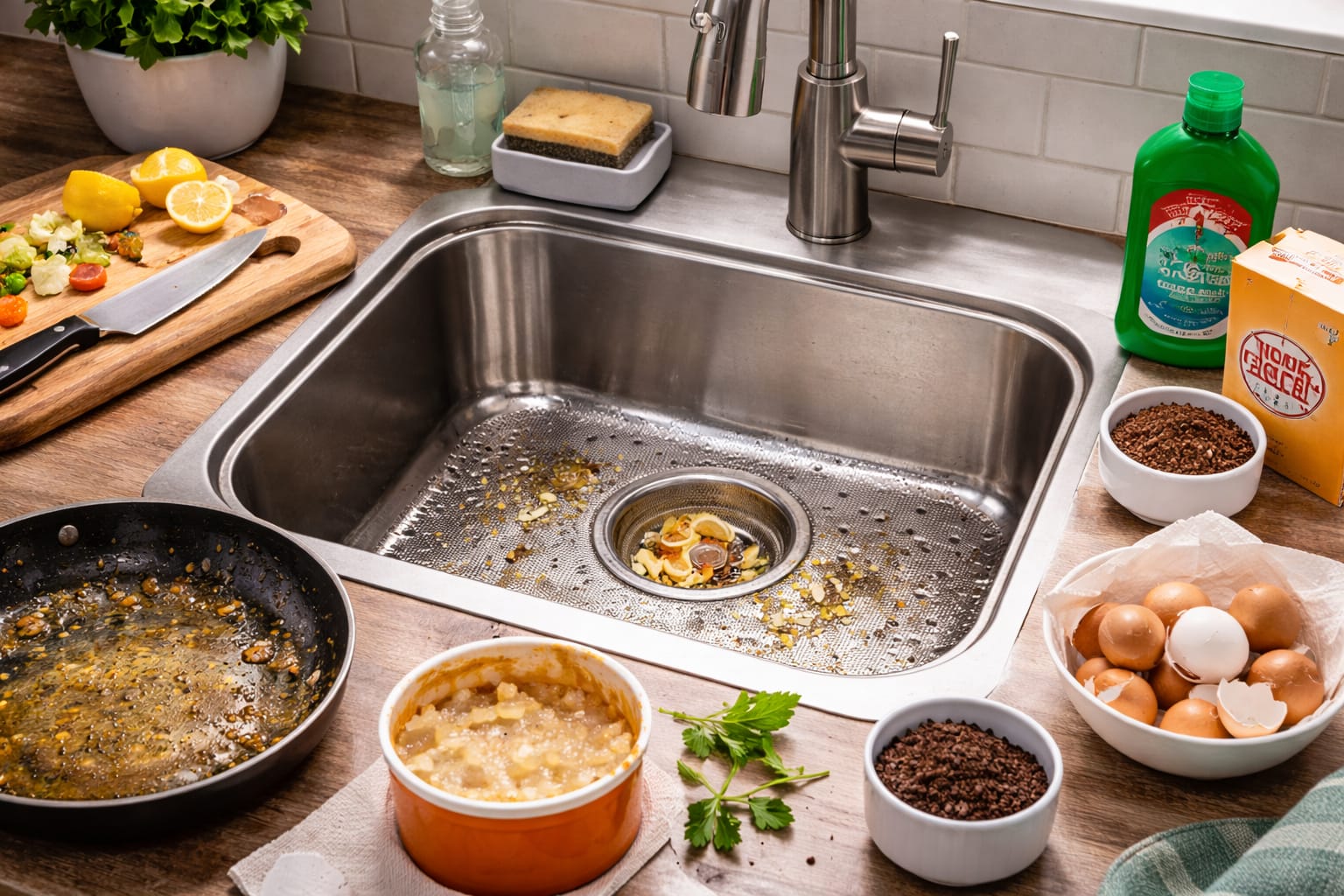
Kitchen sink clogs are one of the most common plumbing problems in Austin and Central Texas homes, and they’re also one of the most preventable. Unlike sudden pipe failures, most kitchen clogs develop slowly as everyday habits allow grease, food particles, and debris to build up inside the drain.
Understanding how clogs form and making a few small changes in how the sink is used can go a long way toward keeping water flowing freely. This guide explains what causes kitchen sink clogs and how to prevent them before they turn into recurring problems.
Why Kitchen Sinks Clog So Often
Kitchen drains handle more than just water. They regularly receive grease, oils, food scraps, soap residue, and detergent. Over time, these materials coat the inside of the pipes.
Grease is the biggest contributor. While it may go down the drain as a liquid, it cools and solidifies inside the pipes. As grease builds up, it traps food particles and debris, gradually narrowing the pipe and slowing drainage.
Because this process happens slowly, clogs often go unnoticed until water starts draining very slowly or backing up.
Grease and Oil: The Biggest Culprit
Grease, oil, butter, and cooking fats should never go down the drain.
Even when followed by hot water, grease eventually hardens inside pipes. Repeated exposure creates thick buildup that is difficult to remove and often leads to recurring clogs.
The best practice is to pour grease into a disposable container, let it cool, and throw it in the trash. Wiping greasy pans with a paper towel before washing also helps reduce buildup.
Food Scraps and Disposal Misuse
Garbage disposals are helpful tools, but they are not designed to handle everything.
Fibrous foods like celery, onion skins, corn husks, and potato peels can wrap around disposal blades and get stuck in pipes. Starchy foods such as rice and pasta expand in water and contribute to thick sludge inside the drain.
Eggshells, coffee grounds, and bones are also common causes of kitchen clogs. Even small amounts over time can create blockages.
Using the disposal sparingly and scraping plates into the trash first is one of the easiest ways to prevent problems.
Soap and Detergent Residue
Soap and dish detergent can contribute to clogs when combined with grease and minerals in the water.
Soap residue sticks to pipe walls, creating a surface that traps food particles. In areas with hard water, mineral buildup can make this residue even harder.
Using only the amount of detergent needed and rinsing dishes thoroughly can help reduce residue inside the drain.
The Importance of Sink Strainers
Sink strainers are a simple but effective preventive tool.
A strainer catches food scraps before they enter the drain, making cleanup easier and reducing the amount of debris that reaches the pipes. Cleaning the strainer regularly prevents buildup from slipping through.
This small step can significantly reduce the likelihood of clogs over time.
Weekly and Monthly Preventive Habits
Consistent habits help keep kitchen drains clear.
Running hot water through the sink after washing dishes can help flush away light residue before it hardens. This works best when combined with proper grease disposal, not as a substitute for it.
Once a month, removing and cleaning the sink stopper or disposal splash guard can eliminate buildup that collects near the drain opening.
Paying attention to drainage speed also helps. If water starts draining more slowly, addressing it early is much easier than waiting for a full clog.
Why Chemical Drain Cleaners Are Not Ideal
Chemical drain cleaners are often used when a kitchen sink slows down, but they rarely solve the underlying problem.
These products may open a small passage through grease buildup, but they usually leave residue behind. Over time, repeated use can damage pipes and make future clogs harder to remove.
Preventive habits and proper cleaning are safer and more effective long-term solutions.
Signs a Kitchen Clog Is Developing
Kitchen drains often give warning signs before they stop completely.
Slow drainage, gurgling sounds, unpleasant odors, or water backing up slightly when the disposal runs all suggest buildup inside the pipe. These signs mean it's time to change habits or have the drain evaluated before a full blockage occurs.
Ignoring early symptoms often leads to recurring clogs or deeper plumbing issues.
When Prevention Isn't Enough
Even with good habits, some kitchen drains develop problems over time, especially in older homes or homes with heavy usage.
If clogs keep returning, drains remain slow, or multiple fixtures are affected, the issue may be deeper in the system. In these cases, professional cleaning or inspection may be needed to fully remove buildup and restore proper flow.
Keeping Kitchen Drains Clear Long-Term
Preventing kitchen sink clogs is mostly about awareness and consistency. Simple changes in how grease, food waste, and water are handled can significantly extend the life of your plumbing and reduce the risk of backups. If you're dealing with recurring kitchen drain issues or want a professional evaluation, ABM Plumbing Company can help identify the cause and recommend long-term solutions to keep your kitchen plumbing working reliably.
Kitchen sink clogs are among the most frequent plumbing calls in Austin and Central Texas. With our region’s hard water averaging 184 PPM, mineral deposits combine with grease and food particles to create stubborn blockages. Homeowners in Tarrytown, Westlake Hills, and Allandale should be especially proactive about prevention, as older homes often have narrower drain lines more prone to buildup.
Frequently Asked Questions
How much does it cost to unclog a kitchen sink in Austin?
Professional kitchen drain cleaning in Austin typically ranges from $150 to $300. More severe clogs requiring hydro-jetting or camera inspection may cost $200 to $500. ABM Plumbing Company serves Greater Austin area with transparent pricing. Call (512) 620-8200.
Why does my kitchen sink keep clogging?
Repeated clogs usually indicate grease buildup deep in the line, mineral deposits from Austin’s hard water (184 PPM), or a partial blockage in the main drain. Professional hydro-jetting can remove years of accumulated buildup.
What should never go down a kitchen drain?
Avoid pouring grease, oil, coffee grounds, eggshells, pasta, rice, and fibrous vegetables down your drain. In Austin’s hard water, these materials bond with mineral deposits and create tough clogs faster than in soft water areas.
How often should drains be professionally cleaned?
Austin plumbing professionals recommend annual drain cleaning for most homes. Homes with older pipes, large families, or heavy kitchen use should consider cleaning every 6 months.
Contact ABM Plumbing Company in the Greater Austin area at (512) 620-8200 for professional drain cleaning and kitchen plumbing services.
About the Author
Byron D Smith is a Responsible Master Plumber at ABM Plumbing Company of Central Texas. Licensed Texas Master Plumber serving Central Texas. Byron holds Texas Master Plumber License #45625 with the Responsible Master Plumber endorsement and oversees all plumbing work performed by ABM Plumbing.
Need Professional Plumbing Help?
Contact ABM Plumbing Company for expert service in Austin, Round Rock, Cedar Park, Georgetown, Pflugerville and surrounding areas.
Get a Free Quote