What Is Sewage Backup Health Risks & Response
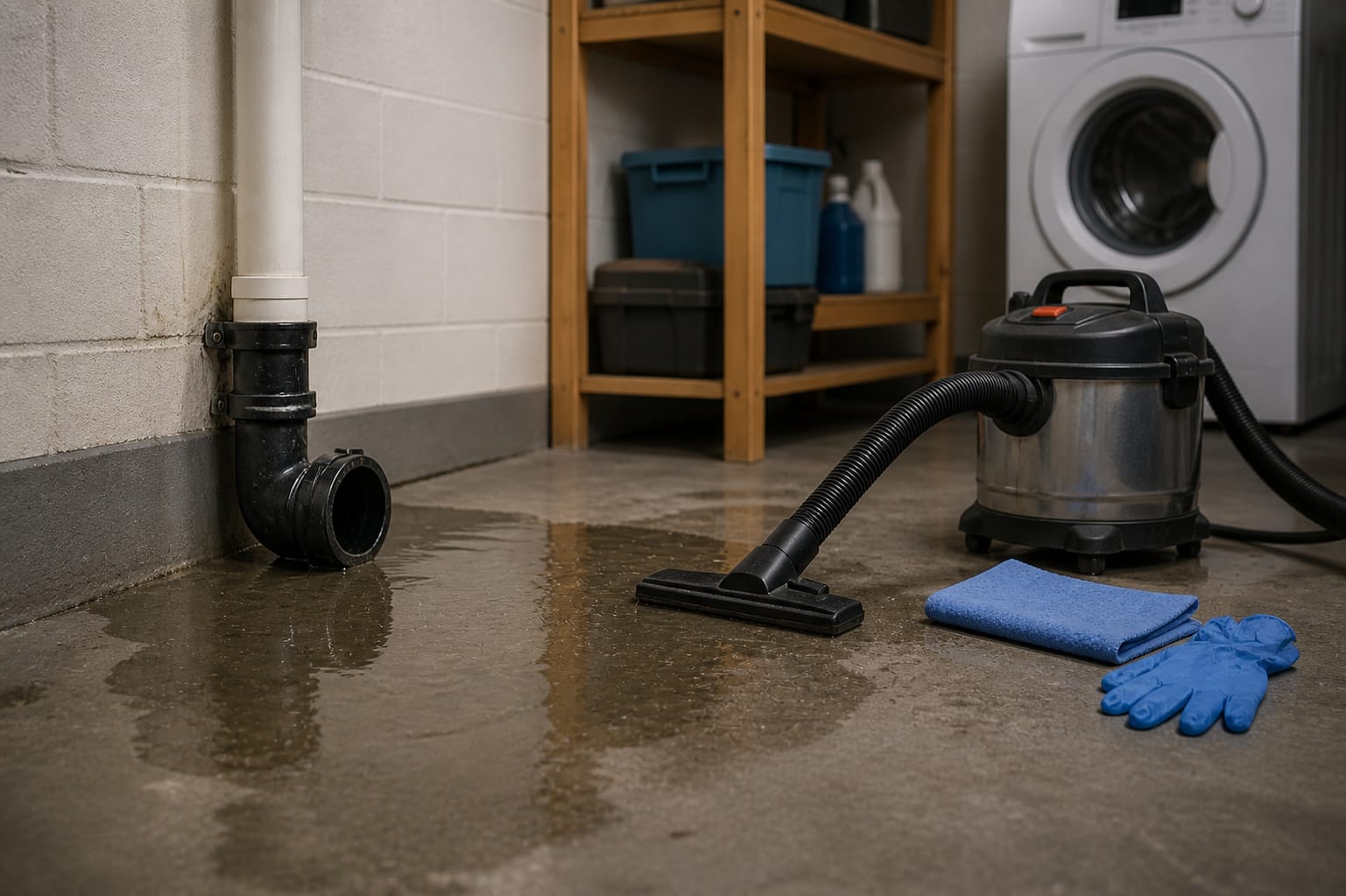
A sewage backup is one of the most serious plumbing problems a homeowner can face. Unlike clean water leaks, sewage contains bacteria, viruses, and other contaminants that can pose immediate health risks. Professional cleanup and sewer line repair typically cost approximately $2,000–$2,500 on average in Austin, ranging from $150-$300 per linear foot of pipe replacement. The situation can be overwhelming, but knowing how to respond quickly and safely can reduce exposure, limit damage, and speed up recovery.
This guide explains why sewage backups are dangerous, what to do if one occurs, and how to protect your home and health during cleanup and repairs. For Central Texas homeowners, understanding backup risks is especially important given the prevalence of tree root intrusion and aging sewer lines in many neighborhoods.
What a Sewage Backup Is
A sewage backup happens when wastewater cannot flow out of a home through the sewer line and instead reverses direction. This causes sewage to come up through drains, toilets, tubs, or floor drains. Backups can range from slow, foul-smelling drain overflows to sudden flooding with contaminated water.
Because sewage is waste that has already been used, it is considered hazardous and requires a different response than a standard plumbing leak.
Common Causes of Sewage Backups
Several issues can lead to sewage backing up into a home. Blocked sewer lines are one of the most common causes. These blockages may be due to grease buildup, non-flushable items, or accumulated debris.
Tree roots can also invade sewer pipes, creating obstructions or breaking the line altogether. In older homes, collapsed or deteriorated sewer pipes are another frequent cause.
Heavy rain can overwhelm municipal sewer systems, especially in areas with combined storm and sewer lines. When this happens, wastewater has nowhere to go and may back up into the lowest points of nearby homes.
Central Texas residents are particularly vulnerable to sewage backups during the region’s heavy rainy seasons, which can put significant strain on aging sewer systems and infrastructure.
Health Risks Associated With Sewage Exposure
Sewage contains harmful microorganisms that can cause serious illness. Bacteria such as E. coli and Salmonella, viruses, and parasites may be present. Exposure can occur through skin contact, inhalation of contaminated air, or accidental ingestion.
Health risks include gastrointestinal illness, skin infections, respiratory issues, and eye irritation. People with weakened immune systems, children, and elderly individuals are especially vulnerable.
Even after visible sewage is removed, contaminants can remain on surfaces, in porous materials, and in the air. This is why proper cleanup and sanitation are critical.
Immediate Steps to Take During a Sewage Backup
The first priority during a sewage backup is safety. Avoid contact with the water and keep children and pets away from the affected area.
If possible, stop using all water in the home. Running water can worsen the backup by adding more wastewater to the system. If the backup is severe, shutting off the main water supply may help prevent additional flow.
Ventilate the area by opening windows if it can be done safely. Avoid using fans that may spread contaminants to other parts of the home.
Do not attempt to flush toilets or clear drains with chemical cleaners. These products are ineffective against sewer backups and can increase exposure to harmful substances.
Why DIY Cleanup Is Risky
Cleaning up sewage is not the same as cleaning up a water spill. Household cleaners and protective gear are often not sufficient to handle contaminated waste.
Porous materials such as carpet, padding, drywall, insulation, and upholstered furniture may need to be removed entirely. These materials can absorb bacteria and are difficult to sanitize thoroughly.
Improper cleanup can lead to lingering odors, mold growth, and long-term health issues. In many cases, professional water and sewage restoration services are necessary to ensure the space is safe again.
When to Call a Plumber
A sewage backup is not an issue that will resolve on its own. A licensed plumber is needed to identify the cause and restore proper flow in the sewer system.
A plumber can inspect the sewer line, clear blockages, identify pipe damage, and recommend repairs or replacements. In some cases, camera inspections are used to locate the exact source of the problem.
Delaying professional service increases the risk of repeat backups and additional damage.
Long-Term Risks of Ignoring Sewage Problems
Even if the visible sewage appears to recede, underlying issues may remain. Residual contamination can continue to affect indoor air quality and surfaces.
Repeated backups often indicate a failing sewer line or ongoing blockage. Ignoring these warning signs can lead to more severe flooding, structural damage, and costly repairs in the future.
Addressing the problem fully the first time helps protect both the home and the health of its occupants.
How to Reduce the Risk of Future Sewage Backups
Homeowners can take steps to reduce the likelihood of future issues. Avoid flushing wipes, paper towels, and hygiene products, even if they are labeled as flushable. Keep grease and food waste out of drains.
Regular sewer inspections, especially in older homes or properties with large trees, can identify problems early. Installing a backwater valve may also help prevent sewage from flowing back into the home during heavy rain or sewer surcharges.
Trusted Help When It Matters Most
Sewage backups are stressful, hazardous, and disruptive, but you don’t have to navigate them alone. ABM Plumbing Company provides professional sewer line inspection, repair, and emergency response with a focus on safety and long-term solutions.
If your home is experiencing a sewage backup or signs of sewer trouble, contact ABM Plumbing Company for expert support and reliable service when it matters most.
Serving Central Texas with emergency sewer repair and cleaning services. Call ABM Plumbing Company at (512) 620-8200 for immediate help with sewage backups and sewer line issues.
Related Articles
Frequently Asked Questions
How much does sewage backup cleanup cost?
Cleanup costs vary widely depending on volume, affected areas, and remediation needs. Professional sewage cleanup in Austin typically costs $1,500–$5,000+. Sewer line repair averages approximately $2,000, ranging from $150-$300/linear foot. Insurance may cover some backup expenses if covered under your policy.
Can I clean up sewage backup myself?
No. Sewage cleanup requires professional biohazard remediation. Exposure to sewage can cause serious illness. Professionals use proper protective equipment, containment, disinfection, and disposal methods. Licensed cleaners follow EPA guidelines and Texas regulations. Do not attempt to clean exposed sewage yourself.
Why are tree roots a problem in Austin sewers?
Live oaks and pecan trees are the number-one cause of sewer line intrusion in Austin. Tree roots seek moisture and nutrient-rich sewage, growing into small cracks in pipes. This causes blockages, cracks, and sewage backups. Camera inspections can identify root intrusion, and professionals may recommend hydro-jetting or pipe replacement depending on severity.
About the Author
Byron D Smith is a Responsible Master Plumber at ABM Plumbing Company of Central Texas. Licensed Texas Master Plumber serving Central Texas. Byron holds Texas Master Plumber License #45625 with the Responsible Master Plumber endorsement and oversees all plumbing work performed by ABM Plumbing.
Need Professional Plumbing Help?
Contact ABM Plumbing Company for expert service in Austin, Round Rock, Cedar Park, Georgetown, Pflugerville and surrounding areas.
Get a Free Quote