Low-Flow Fixtures: Do They Really Save Money?
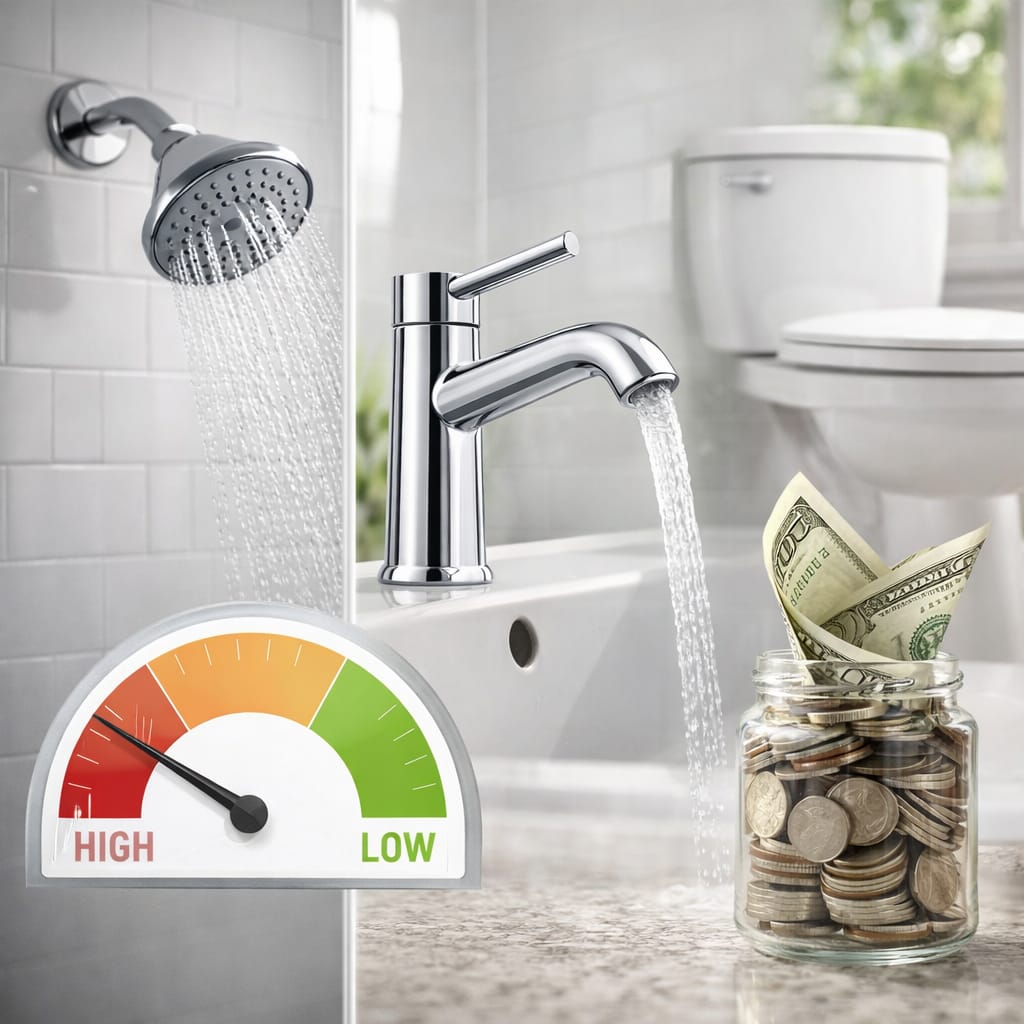
Low-flow plumbing fixtures have become increasingly popular in homes across the country. Marketed as eco-friendly and cost-saving, they promise to reduce water usage without sacrificing performance. But many homeowners still wonder: do low-flow fixtures actually save money, or are they just a trend?
At ABM Plumbing Company, we help homeowners throughout Central Texas understand how these fixtures work and whether they’re a smart investment for their home. With Texas water conservation becoming increasingly important, low-flow fixtures are an excellent way to help. Let’s break it down.
What Are Low-Flow Fixtures?
Low-flow fixtures are water-efficient plumbing components designed to reduce water consumption while maintaining effective performance and pressure, using aerators, restrictors, and optimized spray patterns to minimize waste without sacrificing user comfort. Low-flow fixtures are designed to use less water than traditional plumbing fixtures while maintaining effective performance. They achieve this through improved design, pressure optimization, and flow restrictors. In Austin, where per capita water usage averages 131 gallons per day and conservation restrictions have been in place since 2016 (year-round one-day-per-week irrigation limits), low-flow fixtures directly support city sustainability goals while lowering household water bills.
Common low-flow fixtures include toilets (WaterSense certified at 1.28 GPF or less), showerheads (max 2.0 GPM), and bathroom and kitchen faucets (max 2.2 GPM). These fixtures must meet federal efficiency standards while still providing reliable water flow. Austin Water offers free showerheads and aerators to eligible residents—call (512) 974-2199 to learn about free distribution programs in neighborhoods like Mueller, Hyde Park, and South Congress.
How Low-Flow Fixtures Reduce Water Usage
Traditional fixtures often use more water than necessary. Low-flow fixtures limit water volume without significantly affecting usability.
Older toilets may use 3.5 gallons per flush or more, while modern low-flow toilets typically use 1.28 gallons per flush. Standard showerheads can use 2.5 gallons per minute or more, while low-flow models use 2.0 GPM or less. For Austin households with average monthly water bills of $22.63 and tiered rates of $1.36-$35.54 per 1,000 gallons, even modest reductions add up. A family of four replacing standard fixtures can save 8,000-12,000 gallons annually.
Over time, this reduction adds up—especially in households with multiple occupants.
Do Low-Flow Fixtures Actually Save Money?
Yes, in most cases, they do.
Lower Water Bills result from using less water, which directly reduces your monthly water bill. Homes that switch entirely to low-flow fixtures often see noticeable savings over the course of a year.
Reduced Energy Costs occur because less hot water usage means your water heater doesn't have to work as hard. This can lower energy costs, especially for showers and faucets.
Long-Term Savings accumulate over time. While low-flow fixtures may cost slightly more upfront, the long-term savings on water and energy bills usually outweigh the initial investment.
Performance: Myth vs. Reality
One of the biggest concerns homeowners have is reduced water pressure. Older low-flow designs sometimes struggled with performance, but modern fixtures have come a long way.
Today's low-flow fixtures maintain strong, consistent pressure, rinse and flush effectively, and are designed for everyday comfort and convenience.
When installed correctly, most homeowners don't notice a difference—except on their utility bills.
Environmental Benefits Are a Bonus
In addition to saving money, low-flow fixtures help conserve water. This reduces strain on local water supplies and supports long-term sustainability efforts, especially in areas prone to drought.
Saving water isn't just good for the environment—it helps protect resources that communities rely on.
Is Your Home a Good Fit for Low-Flow Fixtures?
Most homes can benefit from low-flow upgrades, but proper installation is key. Factors like water pressure, plumbing layout, and fixture compatibility all matter.
A professional plumber can help you choose fixtures that work well with your existing system and ensure everything is installed properly.
Frequently Asked Questions About Low-Flow Fixtures
How much money can I save by switching to low-flow fixtures?
Savings vary based on household size and current usage. Austin families typically save $100-$300 annually on water alone. With energy savings from reduced hot water heating, total annual savings can reach $250-$500+ for a typical household of four.
Are low-flow toilets worth the investment?
Absolutely. Toilets account for 20-30% of household water use. Upgrading from older 3.5+ GPF models to WaterSense 1.28 GPF fixtures can save 8,000+ gallons annually per toilet. Most models cost $150-$400 and pay for themselves within 2-3 years through water savings alone.
What fixture should I prioritize for maximum savings?
Prioritize in this order: (1) Toilets—largest water users, (2) Showerheads—high-volume hot water reduction, (3) Kitchen and bathroom faucets. Starting with the highest-use fixtures gives fastest ROI. Austin Water’s free showerhead program is an excellent starting point.
Can low-flow fixtures work with my Austin water pressure?
Yes. Modern low-flow fixtures are engineered to work with standard residential water pressure (40-60 PSI). Austin’s infrastructure supports these fixtures well. ABM Plumbing can test your water pressure and recommend models optimized for your specific situation if needed.
Upgrade With Confidence
If you're considering low-flow fixtures, ABM Plumbing Company can help you make the right choice. From selecting quality products to professional installation, our team ensures your plumbing upgrades deliver real savings and reliable performance. Explore our guides on water conservation strategies, measuring water waste in your home, and home value upgrades to complement your low-flow fixture installation. Our team can also assess whether additional eco-friendly plumbing improvements or whole-house filtration would benefit your system.
Contact ABM Plumbing Company today to learn more about low-flow fixtures and start saving water and money without sacrificing comfort. Serving the Greater Austin metro area, including Williamson and Travis County communities, Lakeway, and Bee Cave—call (512) 620-8200 for a free consultation. We can help you access Austin Water’s rebate programs and select the fixtures that deliver maximum savings for your home and family.
About the Author
Byron D Smith is a Responsible Master Plumber at ABM Plumbing Company of Central Texas. Licensed Texas Master Plumber serving Central Texas. Byron holds Texas Master Plumber License #45625 with the Responsible Master Plumber endorsement and oversees all plumbing work performed by ABM Plumbing.
Need Professional Plumbing Help?
Contact ABM Plumbing Company for expert service in Austin, Round Rock, Cedar Park, Georgetown, Pflugerville and surrounding areas.
Get a Free Quote